
Jamie McPherson: GSS and the Making of “The Dinosaurs”
GSS cinema gimbals have long been the mainstay of natural history cinematographers who want to get up-close-and-personal with wild animals without impacting their natural behaviors. Putting long-lenses onto moving platforms lets filmmakers follow the action wherever it leads, and no one does this better than GSS.
But when the story turns pre-historical, and the animals being discussed have been extinct for millions of years, how do you deliver the immediacy and authenticity that nature film viewers are used to, while recreating the stars of the show digitally?
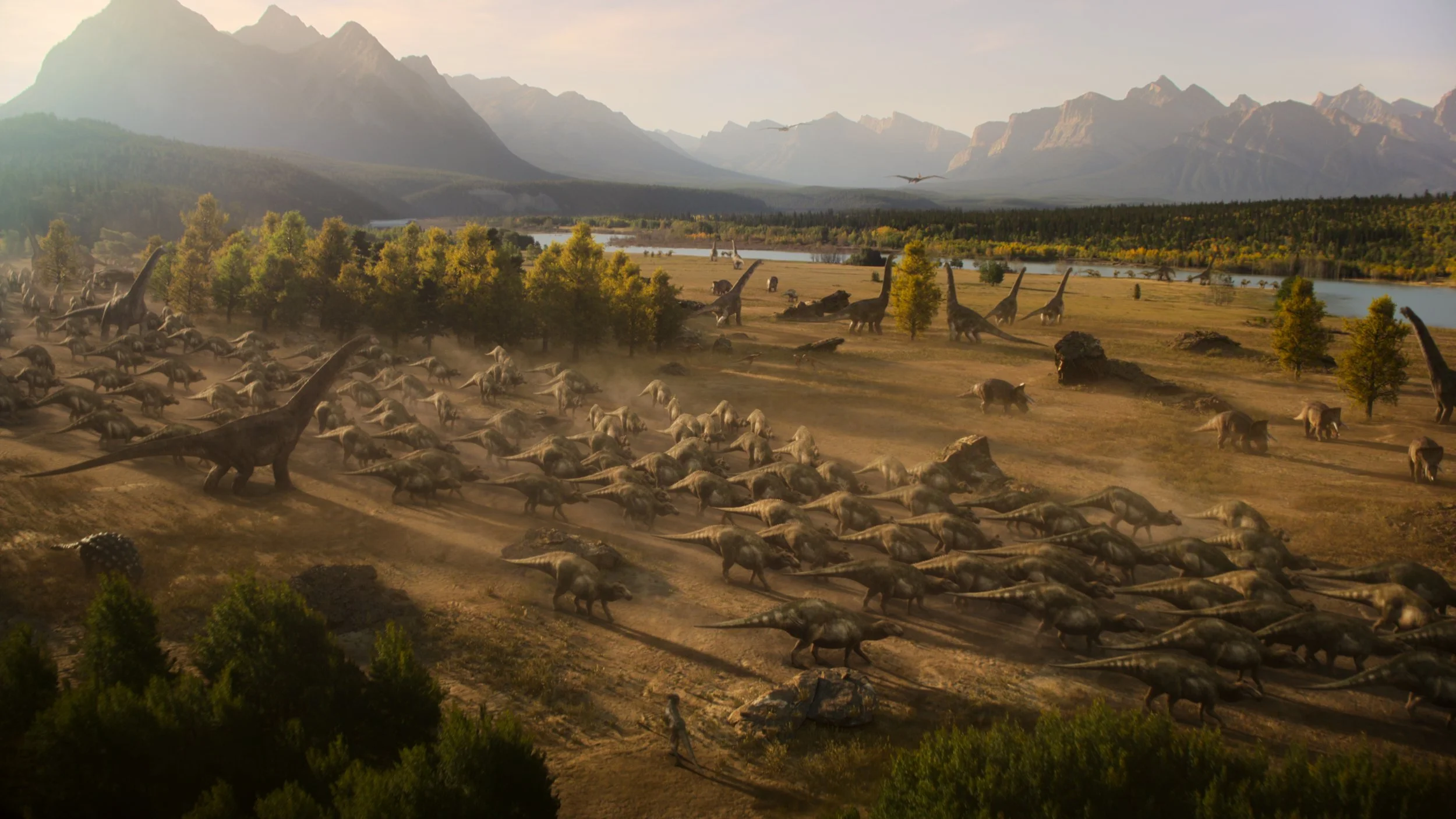
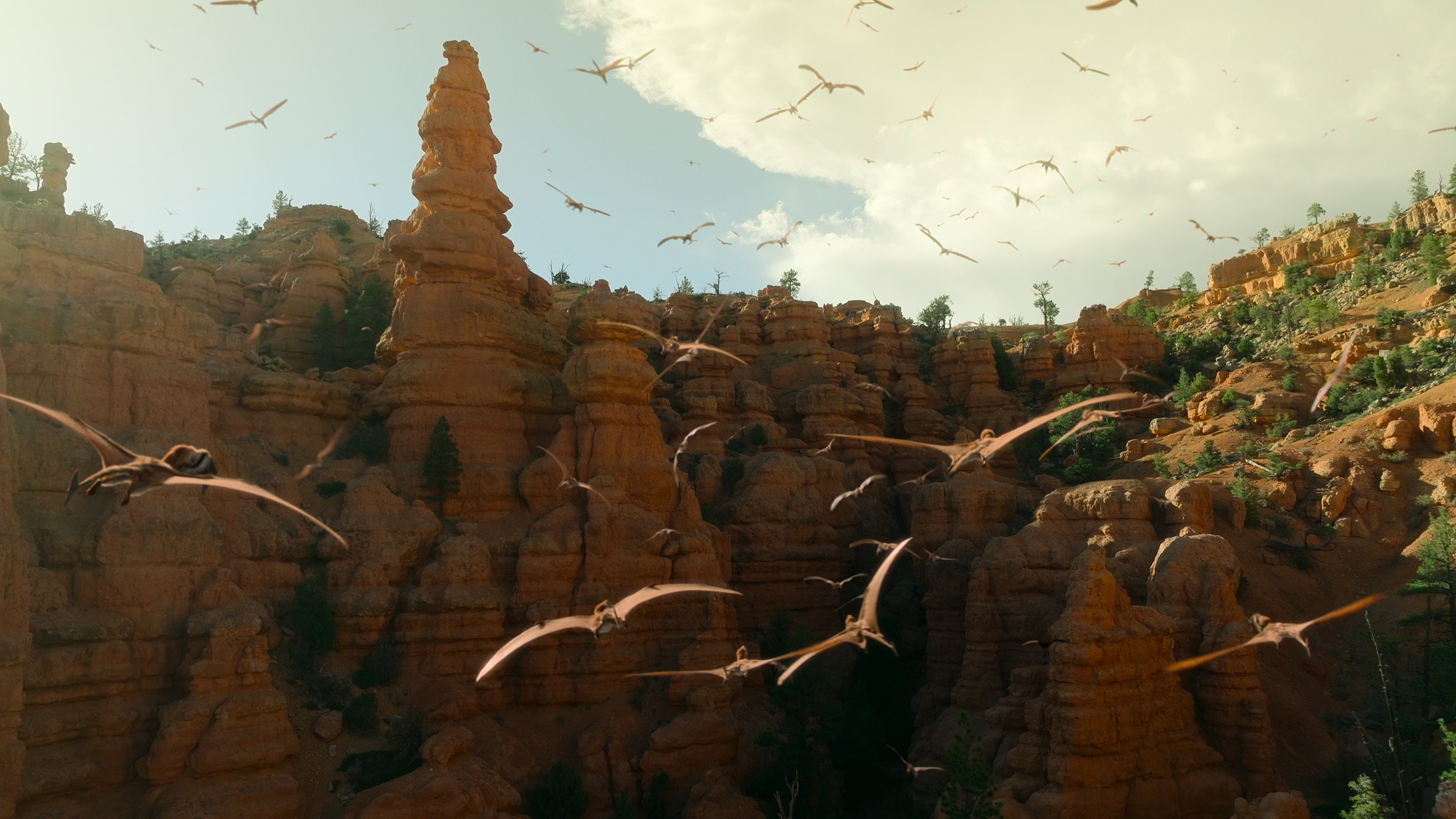
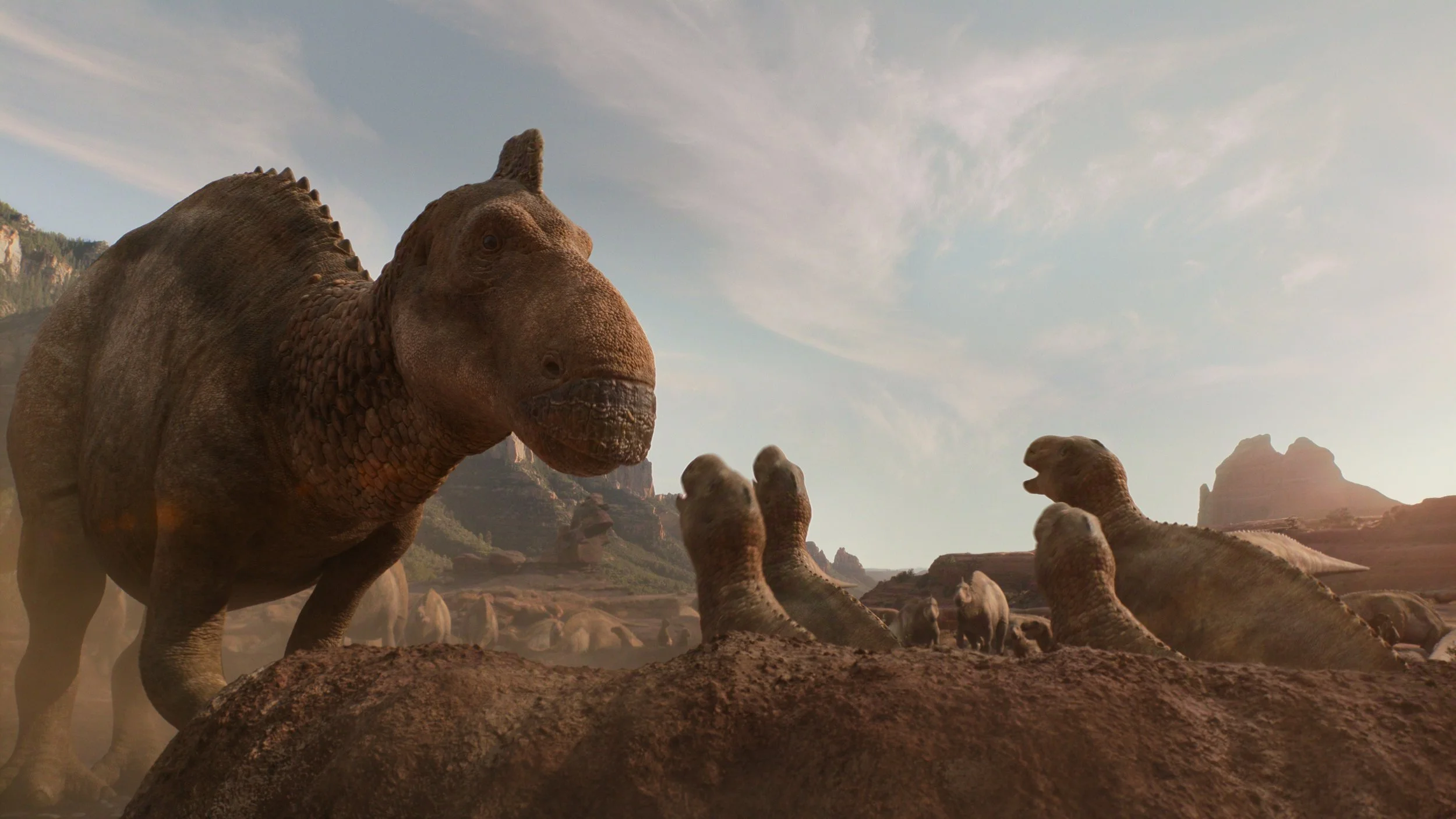
Cinematographer Jamie McPherson has been shooting wild animals for decades now, and he has pioneered techniques for up-close moving camera work using GSS cinema gimbals on shows for Disney Nature, BBC Earth, National Geographic, Netflix and others. We spoke about his work on Silverback Films recently-released Netflix series, “The Dinosaurs”, where he served as the show’s Visual Effects DP, and he shared some thoughts on how the challenges remain the same even when shifting some of the work into post-production.
The team from Silverback Films spent three years developing the show, and much of the effort went into capturing real-world environments for the stories, which lends a profound realism to the imagery. Leveraging a wide range of contemporary settings from swamps to deserts to redwood forests, the films make strong connections between changing conditions on the earth and the evolutionary developments seen across the millions of years of the dinosaur’s reign. And the giant beasts feel right at home.
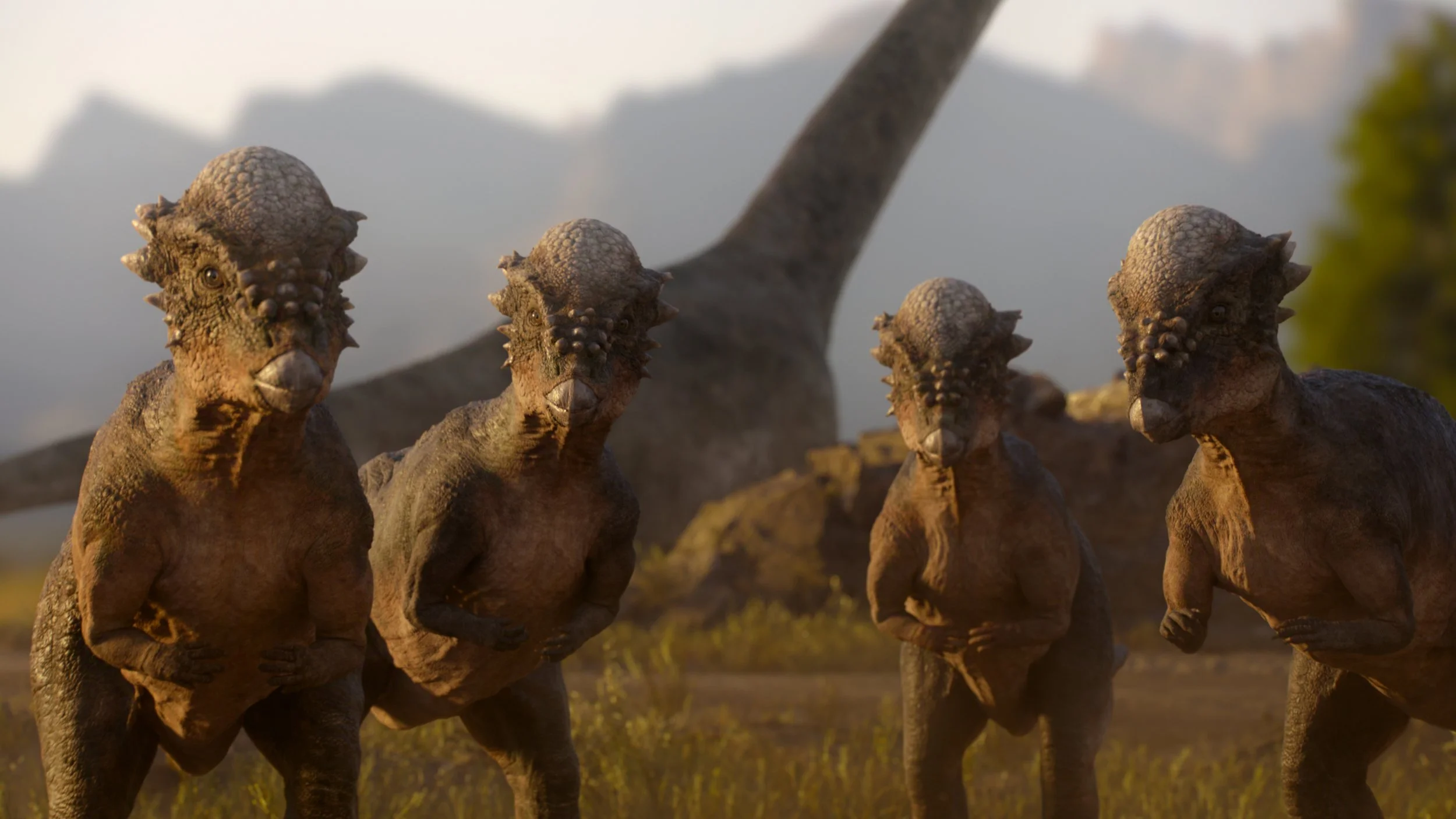
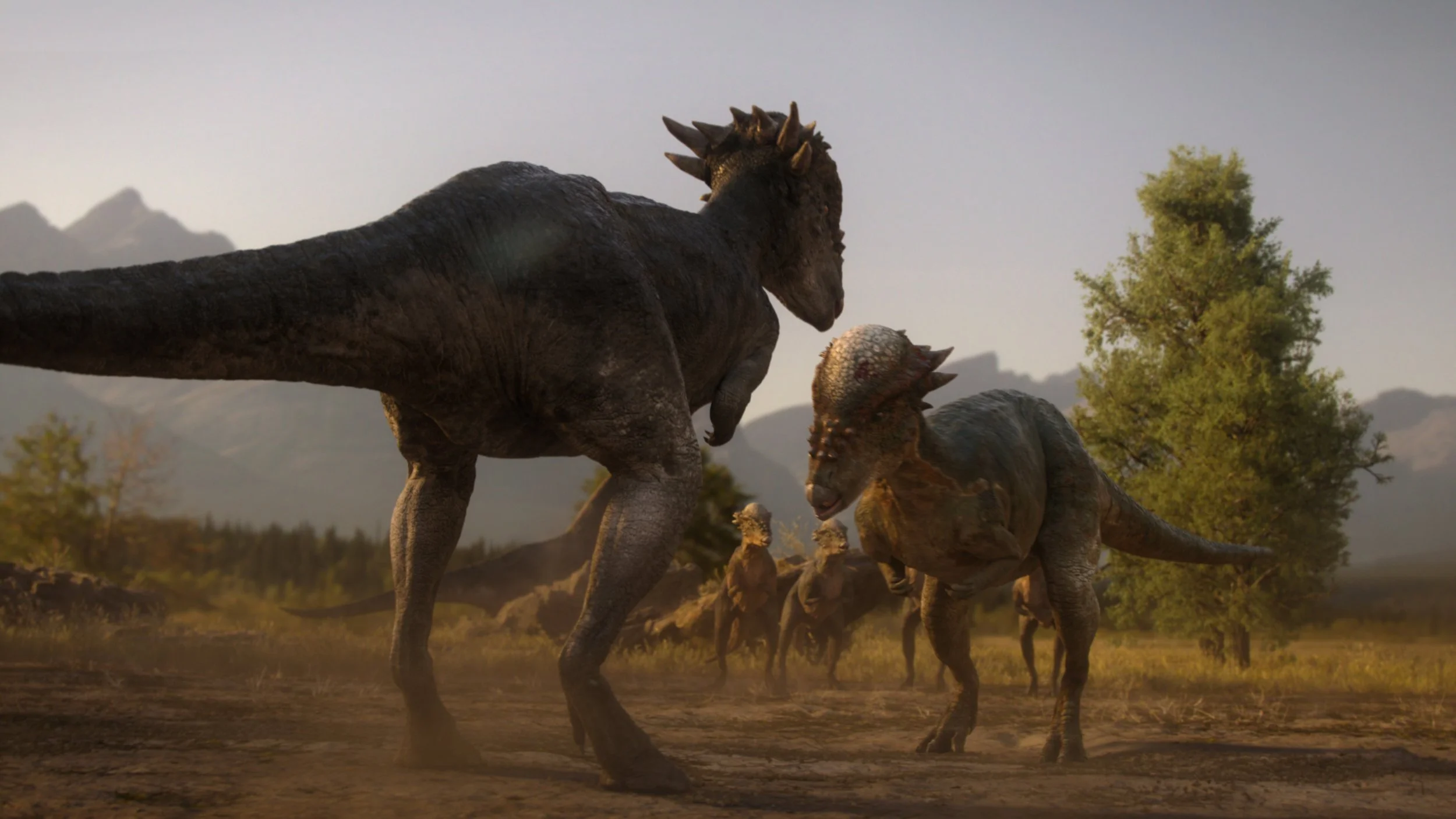
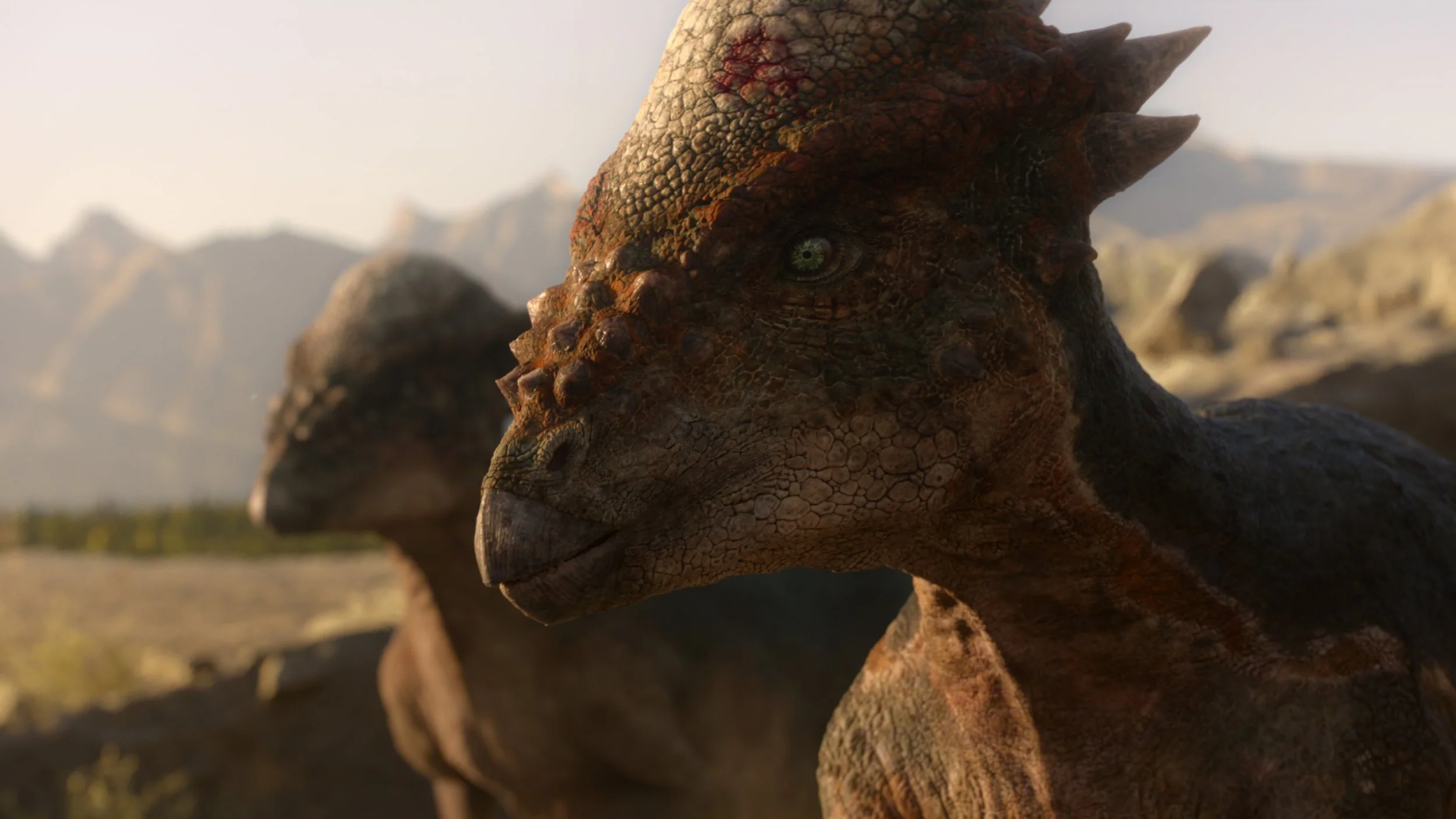
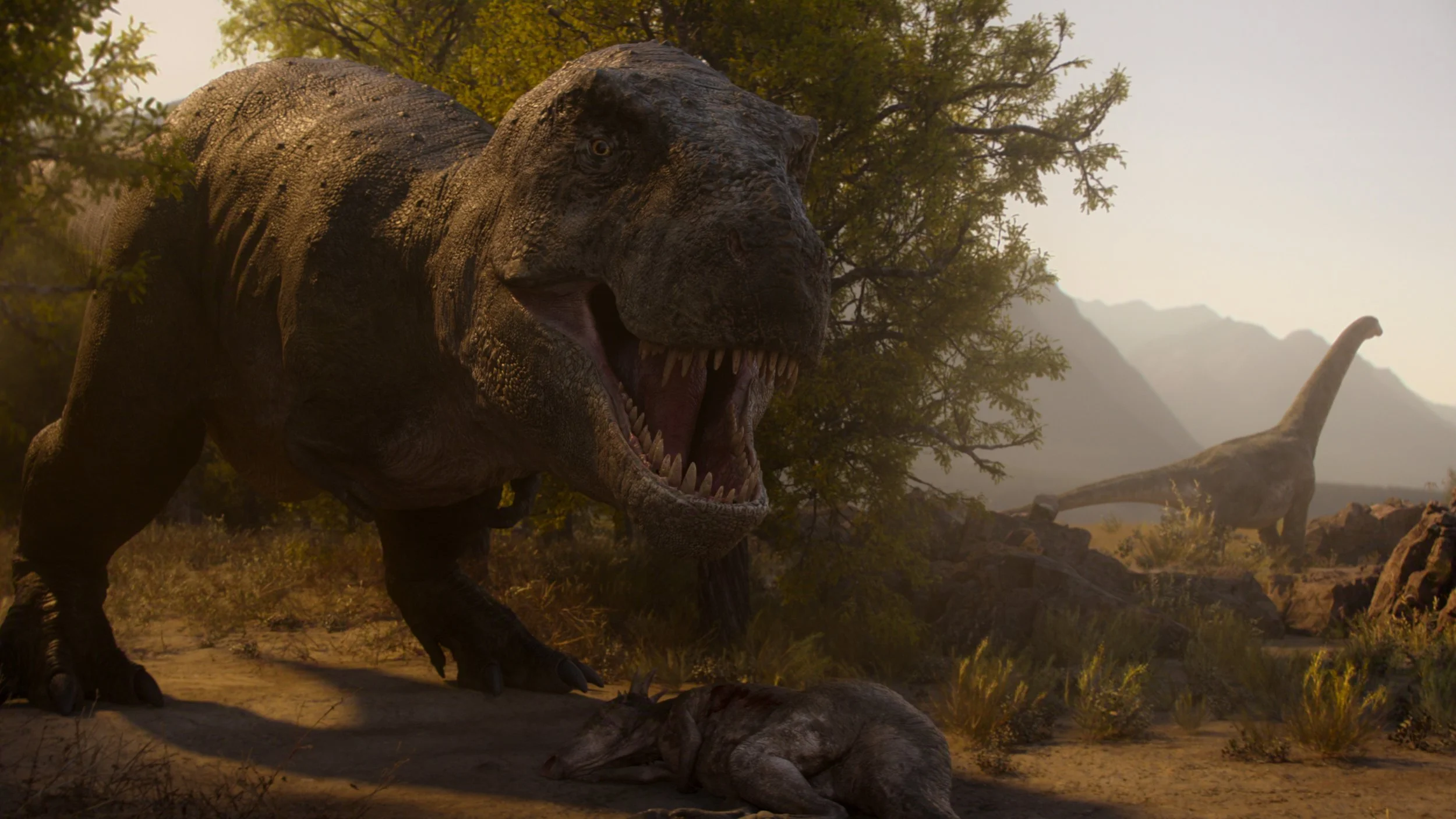
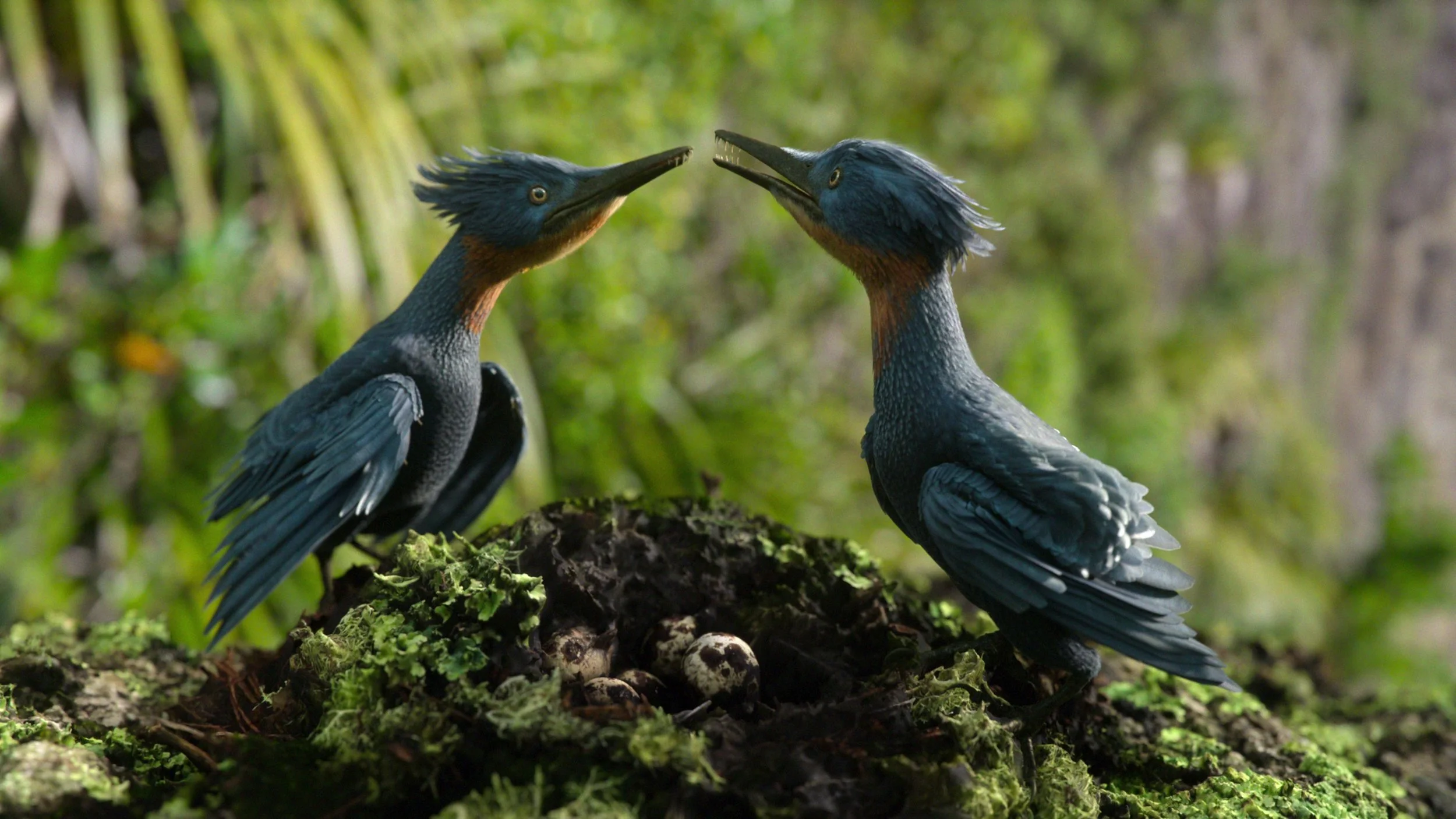
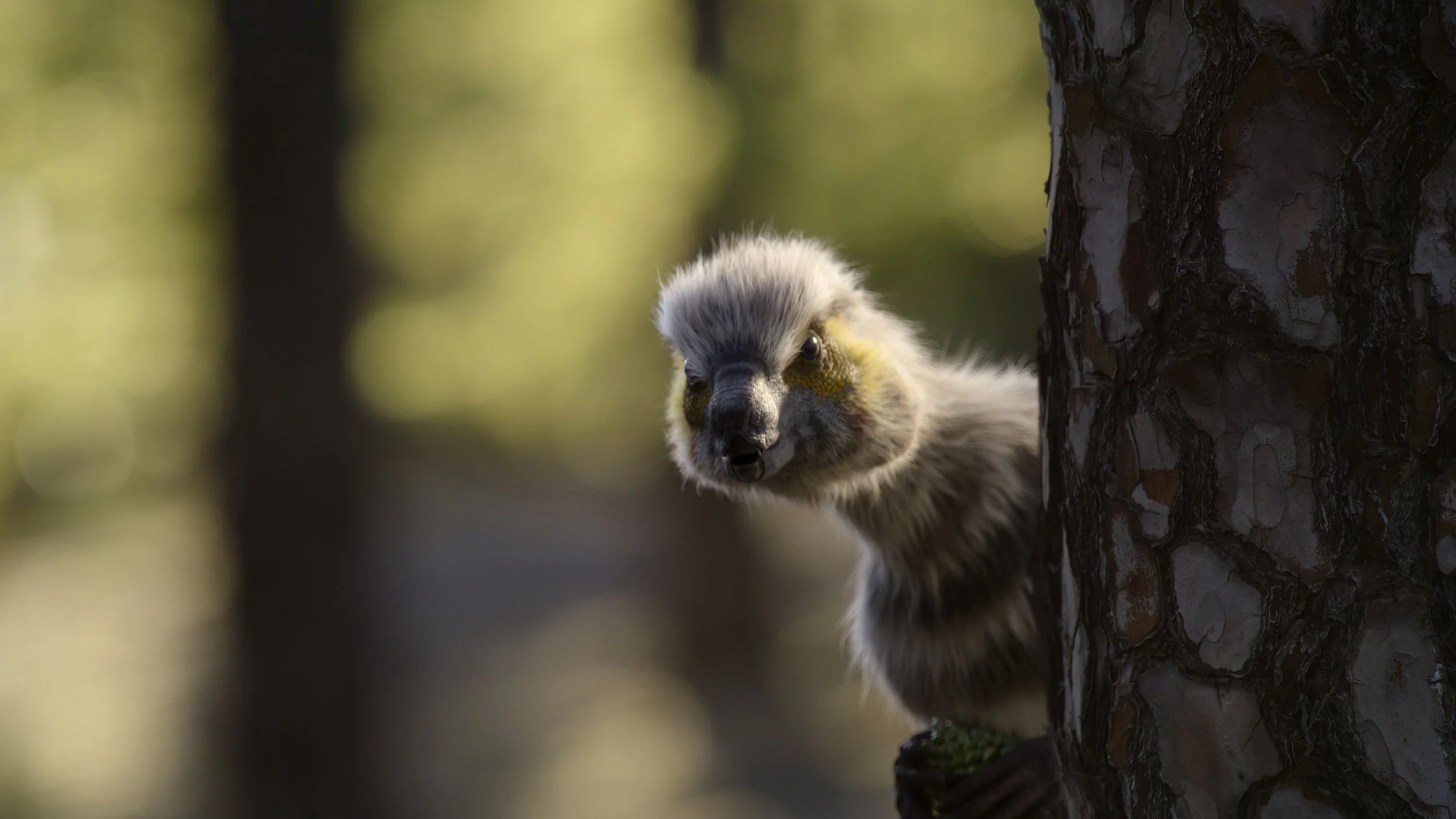
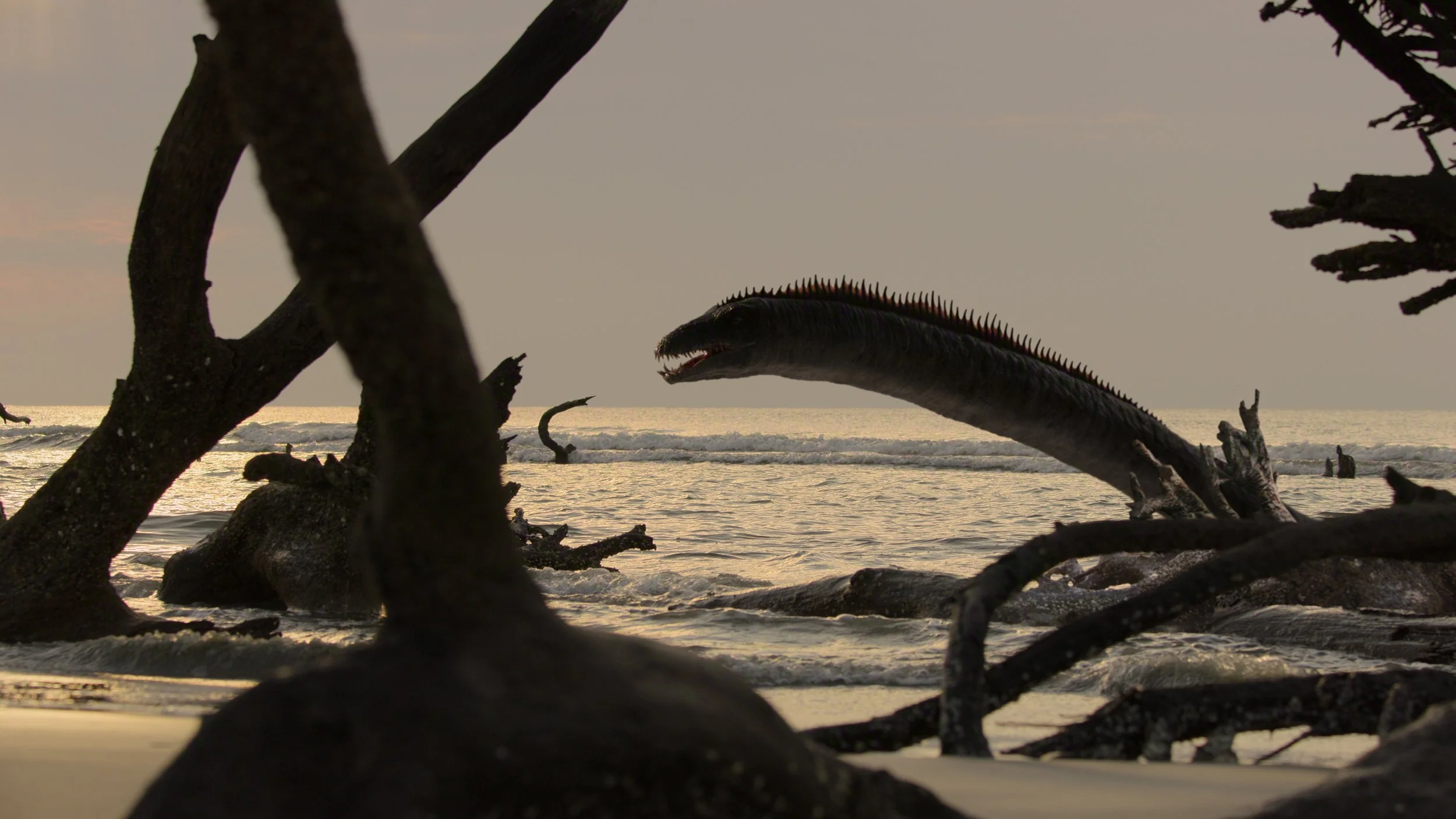
“It’s through the experience of myself and the directors who’ve worked on these shows, and a lot of natural history shows, to make the animals feel real and that they’re acting in realistic ways, and they’re sort of embedded in that environment”, McPherson says. “It’s very key where you put the camera and how you move the camera to bring those stories to life.”.
Those camera moves prove key to building emotion into the scenes. “One of my favorite scenes is the dilophosaur, it’s a really badass dinosaur that's hunting crocodiles in the swamps of Texas. And then it hears a noise, and he goes to investigate the noise. And we turned it into, like, a horror story of Little Red Riding Hood going to investigate this noise made by a monster.” See how that scene develops below:
“It turns out to be another Dilophosaurus, which is even bigger and scarier. And then you have this sort of macabre dancing. And we were filming from a boat with the GSS on a crane doing all these slow horror moves. So POV shots and empty frames where she turns and looks, and then you show what she can see, which is nothing, or glimpse of something. You really try to bring the character out and make people empathize and feel, you know, scared or feel excited by the framing we're using.”
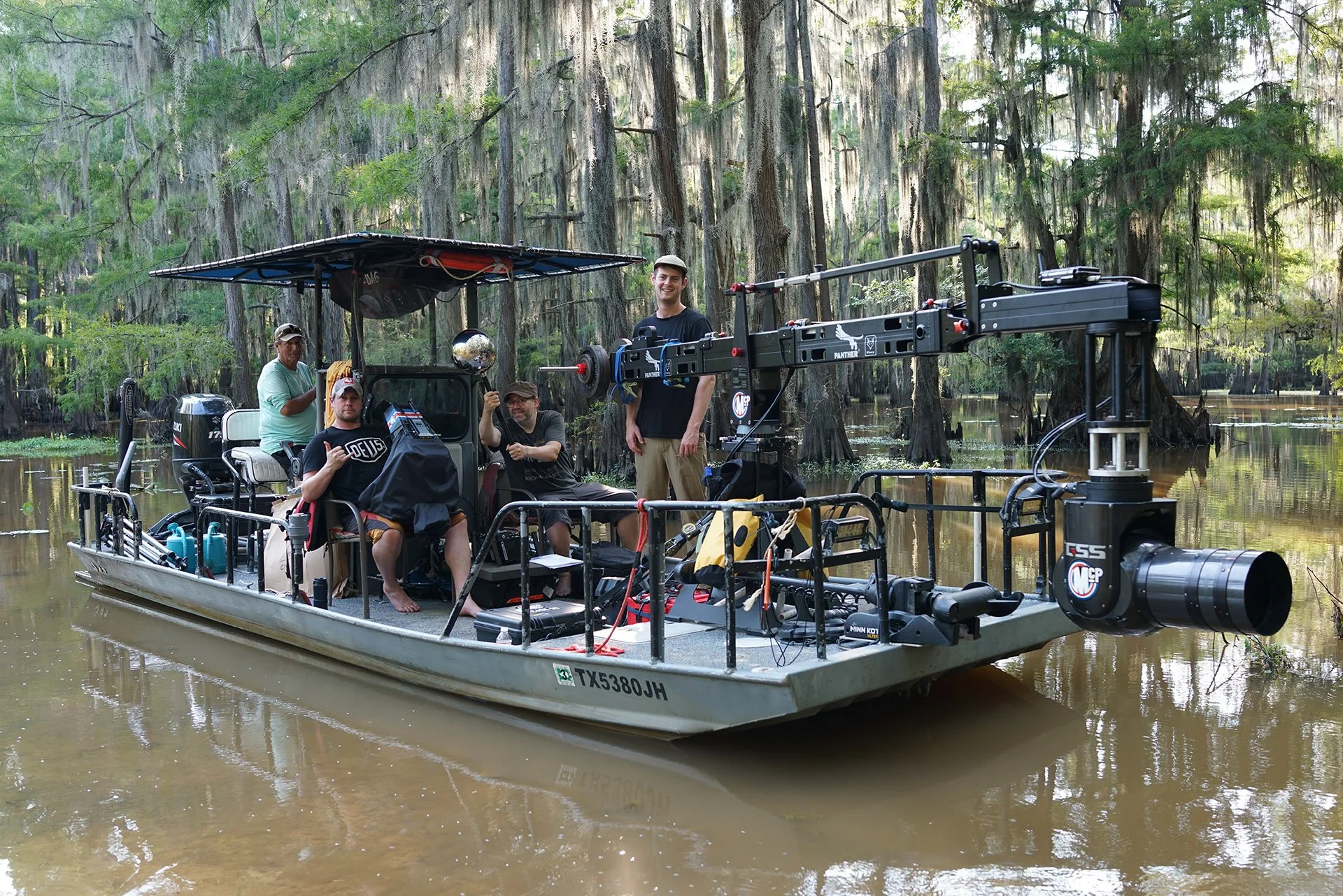
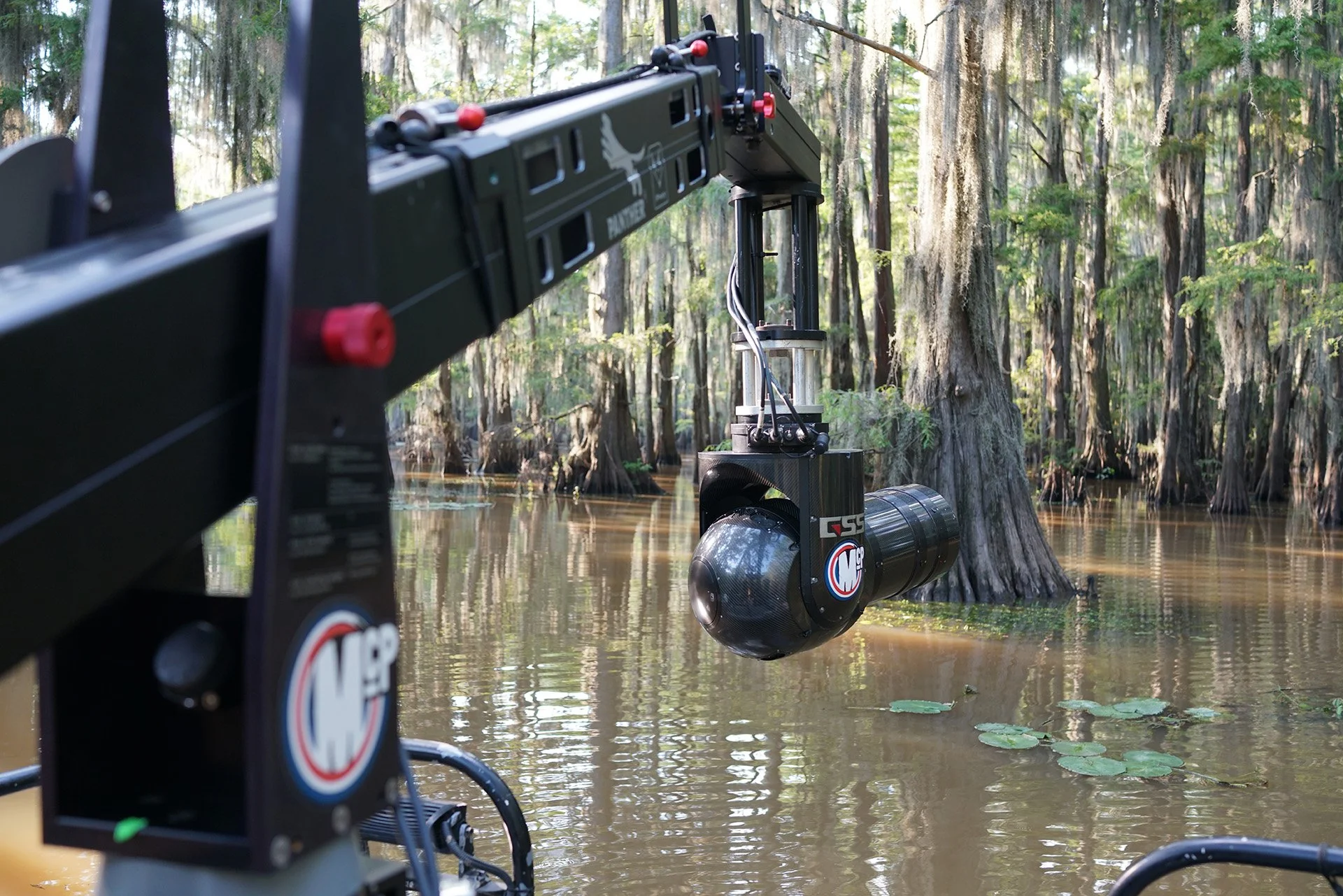
For this project, he’s shooting plates where the main characters will be added in post, and McPherson says the smooth, stabilized footage he gets from the GSS is just part of creating high-quality composited scenes. “Every shot we do, we’re listing the focal length, distance, iris… all the camera detail is passed on to ILM to re-create the scene. And then they would LIDAR the whole scene to get the lay of the land, so when they put the dinosaurs in, they could fit them to the ground”.
One of the main reasons people choose to shoot with the GSS gimbal is that it literally goes anywhere. “One of main setups we used was a 4x4 with a crane in the back of the pickup truck. So we can we can move easily. We can do big tracking shots by moving the vehicle, and we can also do slow camera moves with the crane.”
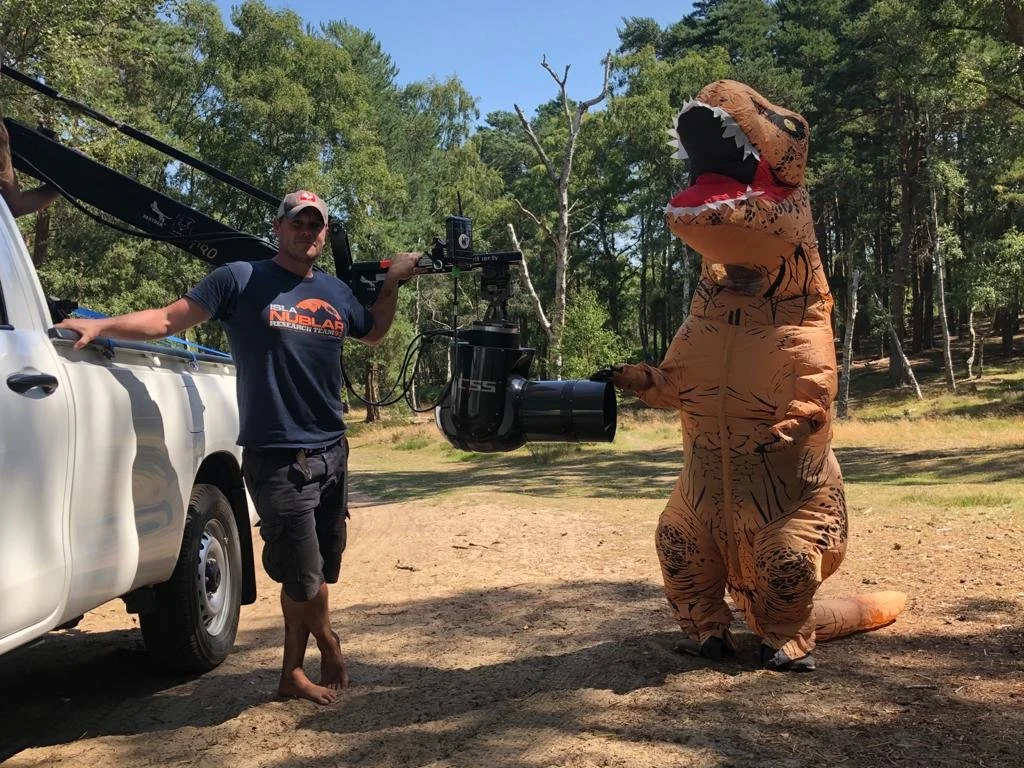
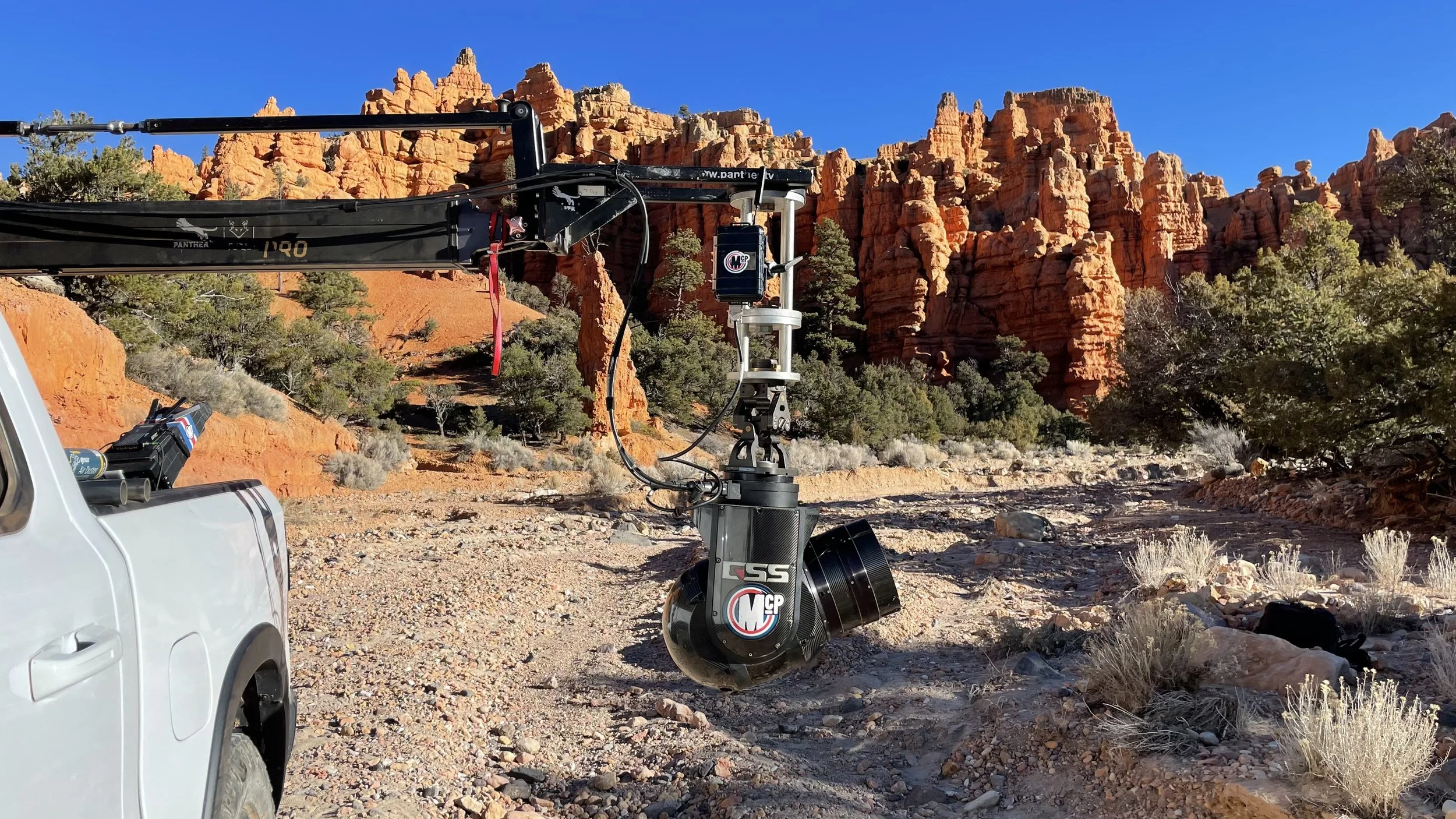
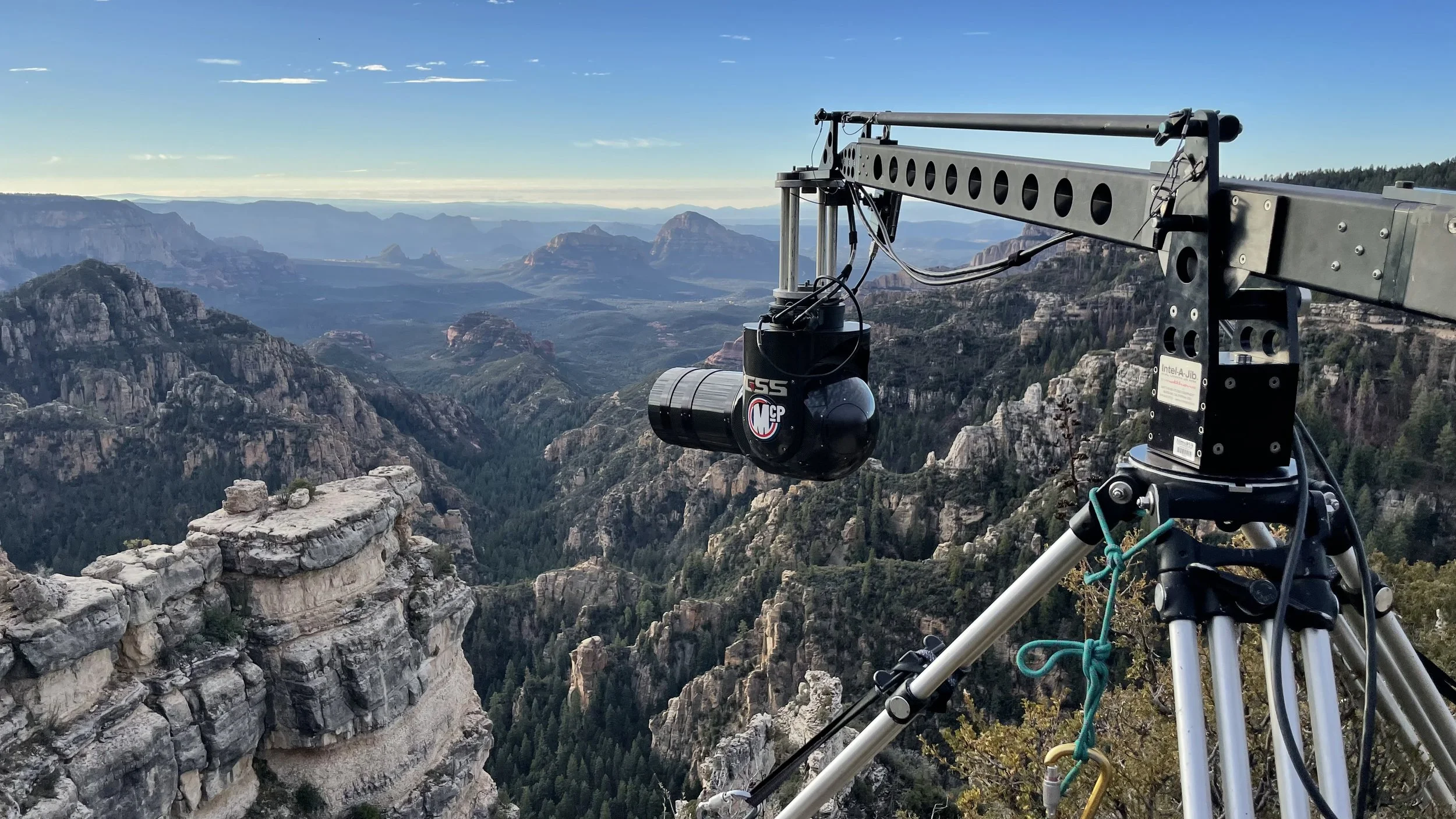
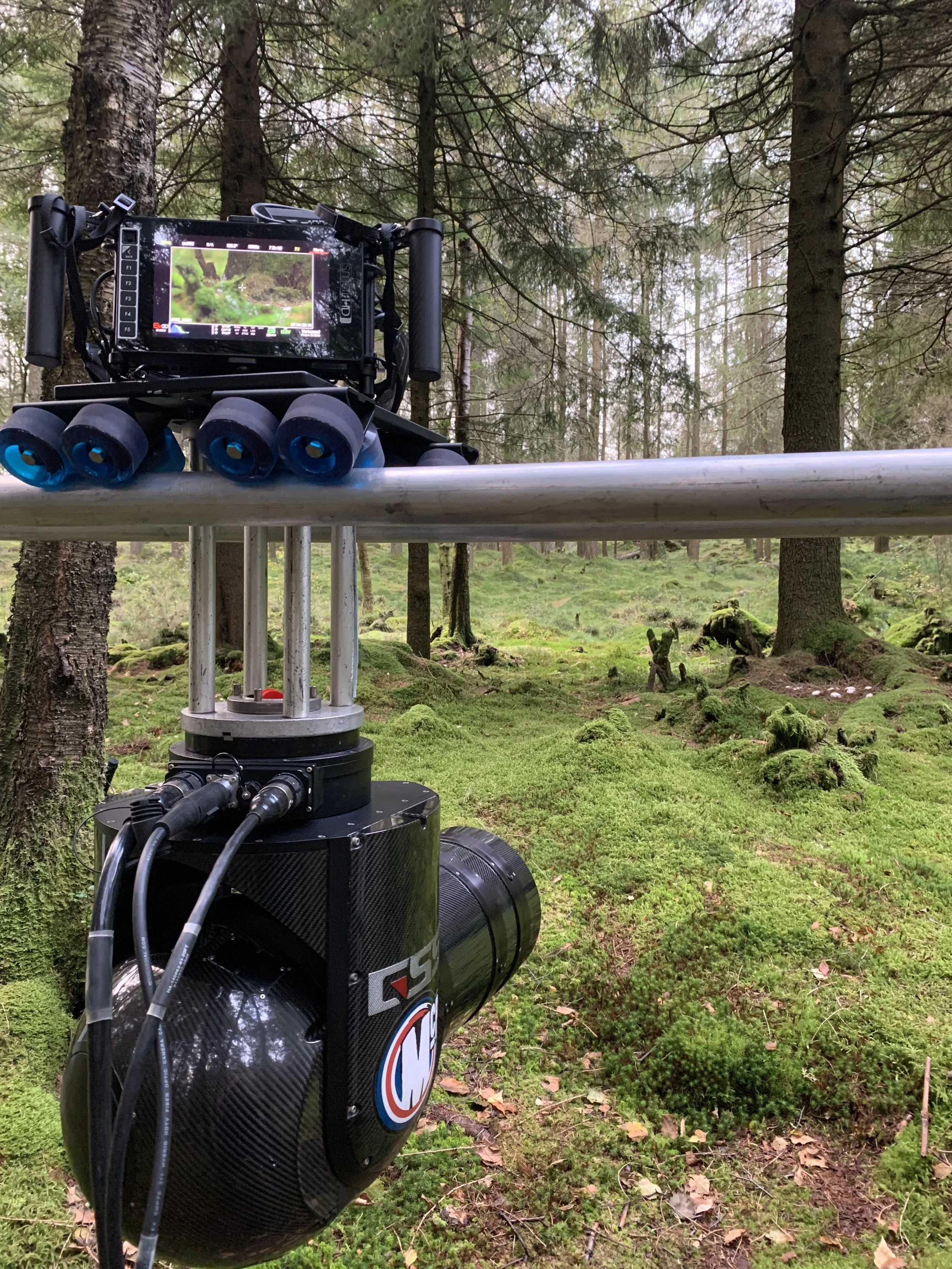
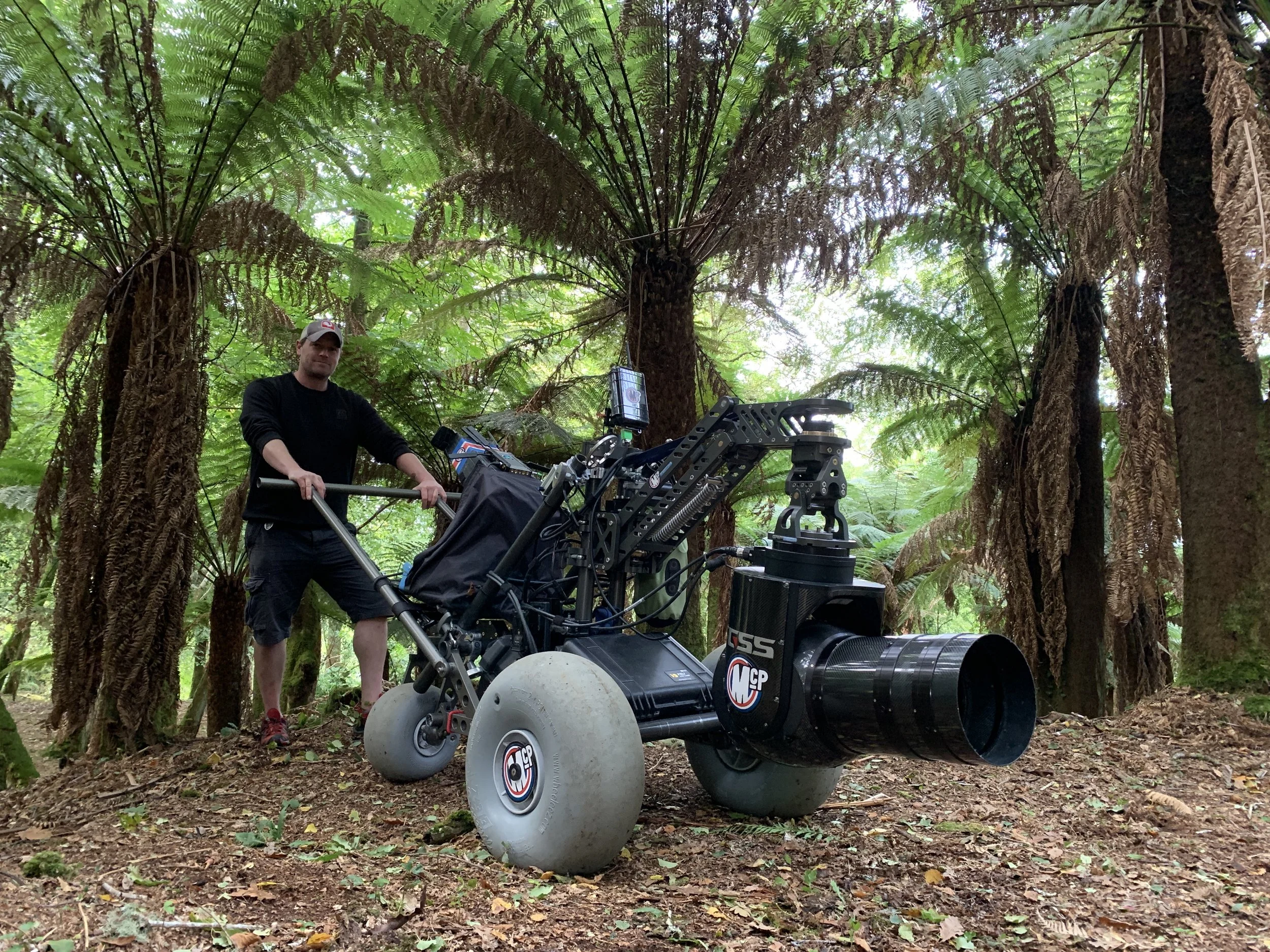
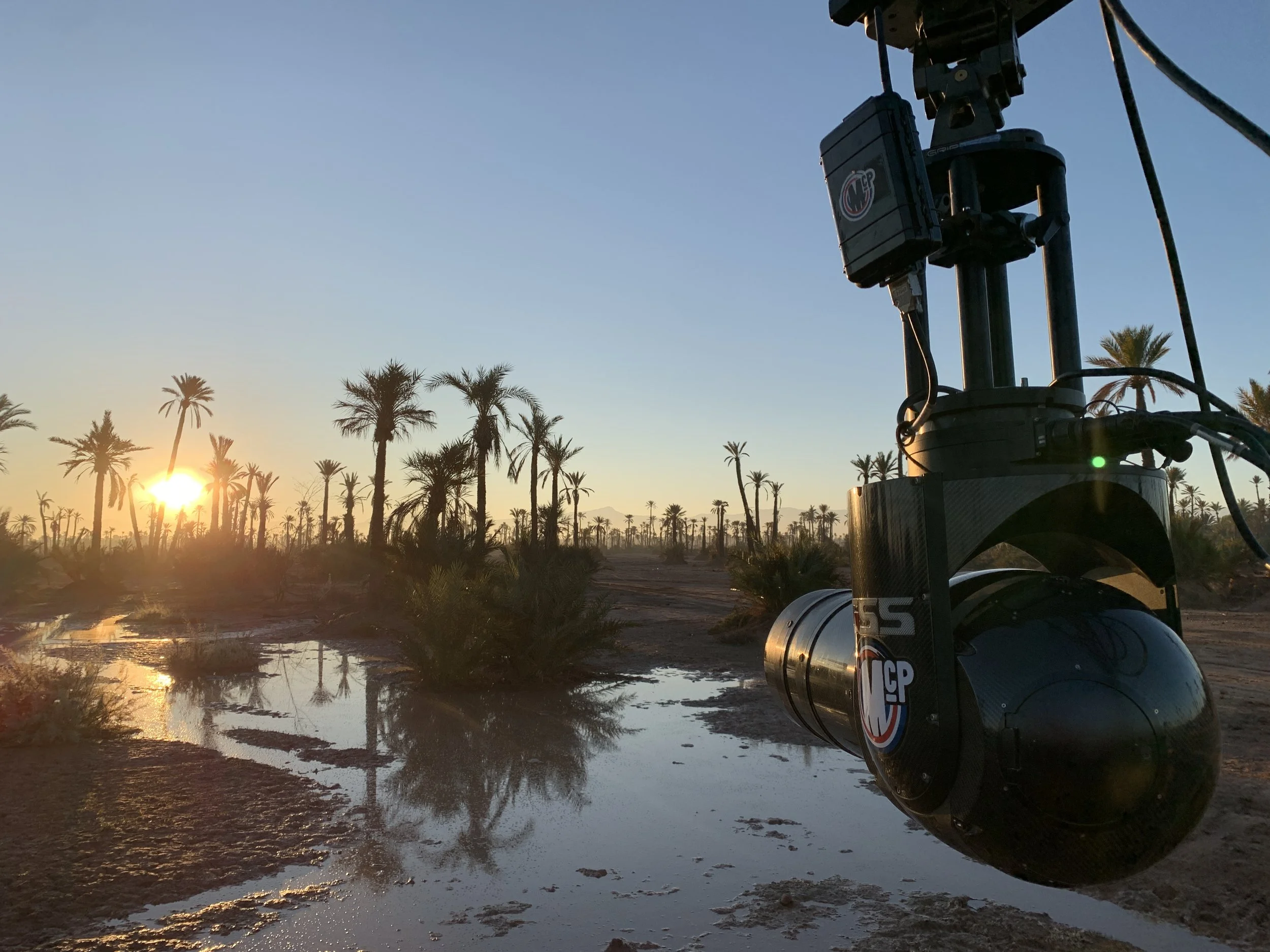
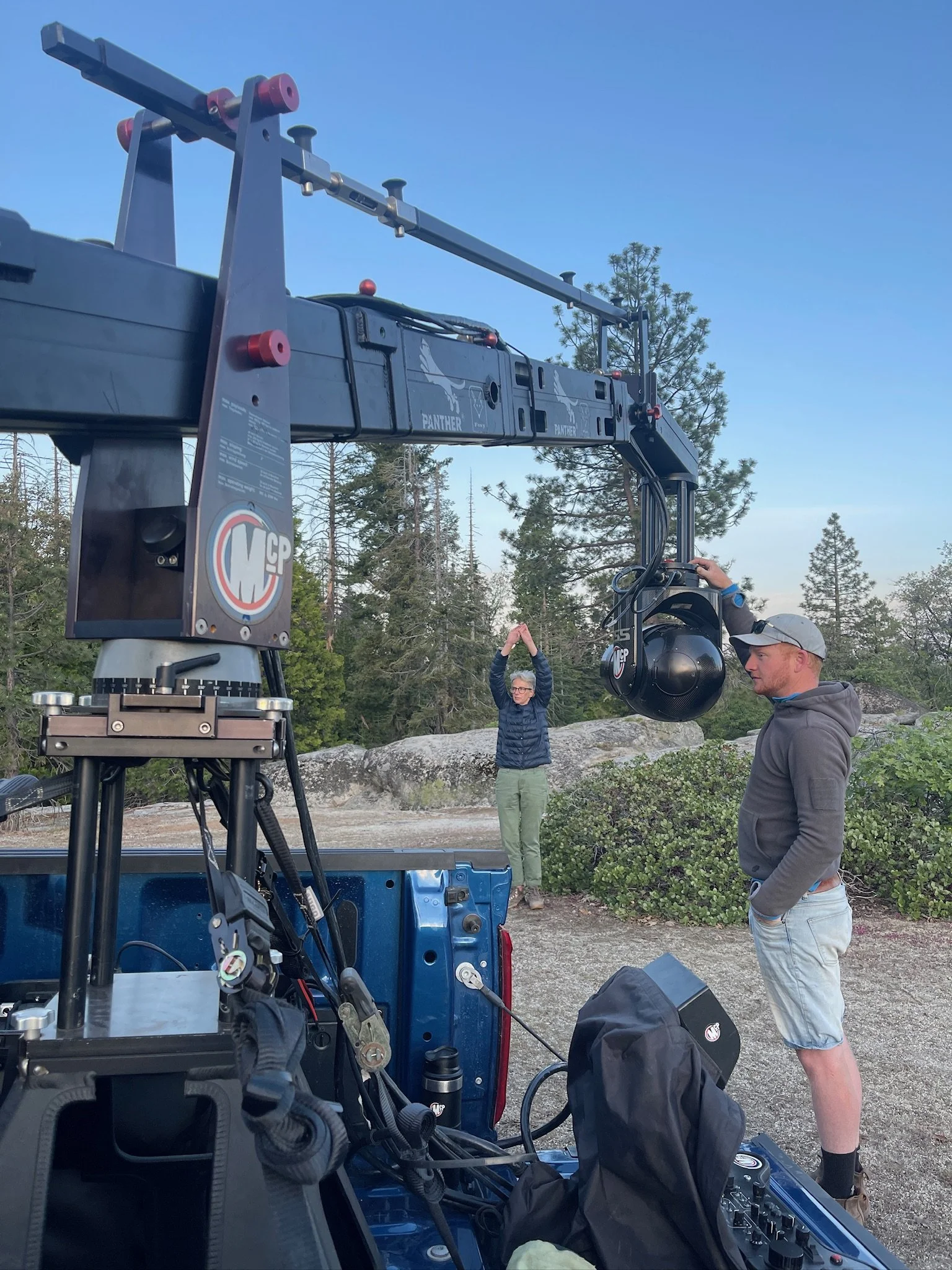
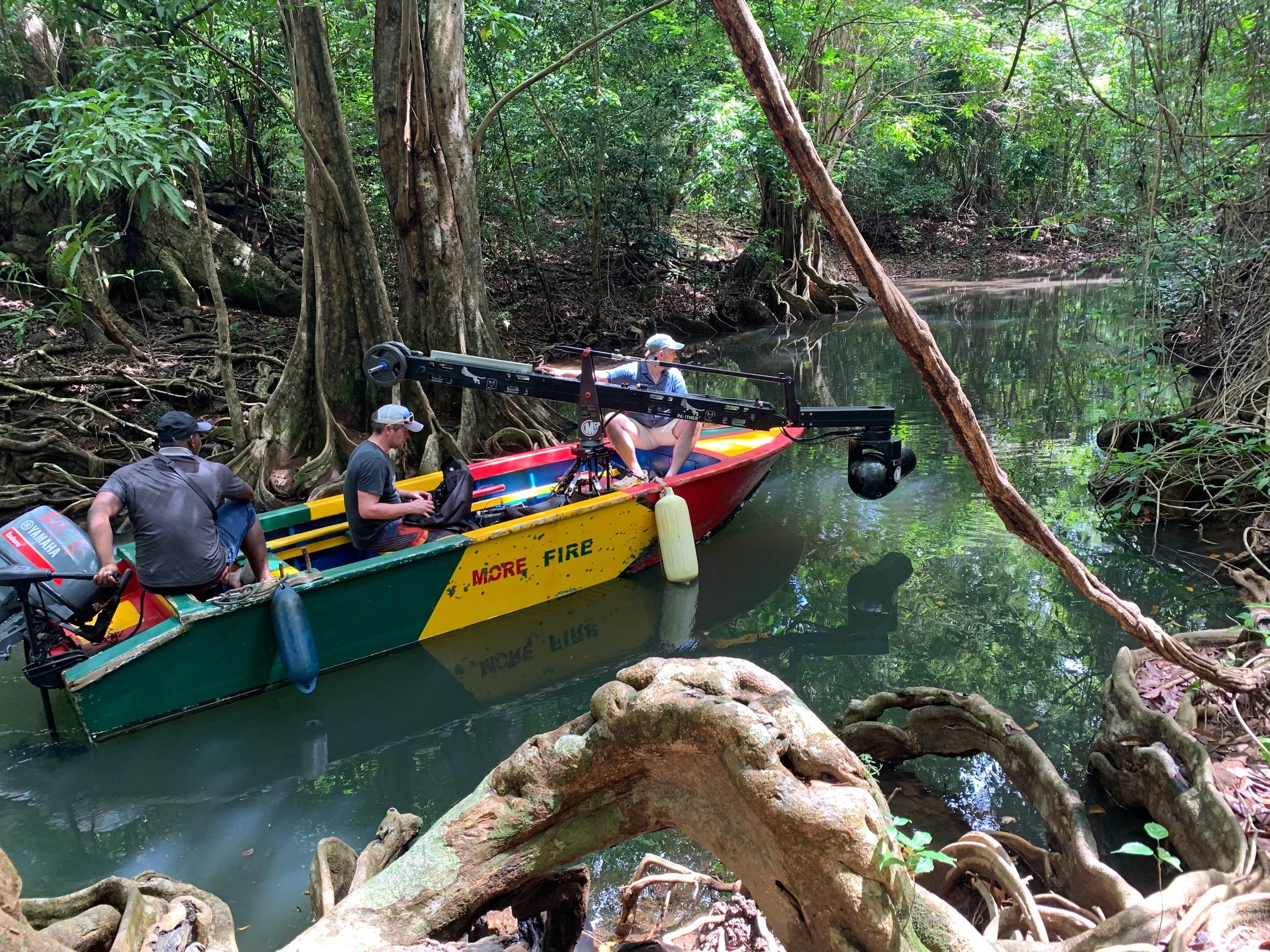
“And then we did the same with boats. We shot a couple of scenes with boats where you have a crane in a boat, the GSS on the end so you can get it right on the water and you can get it up and just do all the camera moves you need. And the GSS is amazing because it is fully enclosed if you want it to be. We did some practical effects with big rain machines for a night scene, and the GSS can sit there in the rain machine, we don't have to worry about it.“
Shooting nature usually means shooting in natural light, and for this McPherson relies on an 8k Red Helium camera. “The Red has great latitude. So the shadows are great and the highlights are great: it works well in the redwood forest and in the swamp: the range it has is amazing for that. I love the look of the Red.”
For lenses, he needed to be prepared for a wide range of focal lengths. “I tend to use the 50 to 1000 quite a bit on this series to give it that similar feel of like, shallow depth of field, very long reach, compressing the scene.”, he says, referencing the Canon CN20 lens that nature shooters covet. “But I also use a 25-250 Canon and a Canon 14.5 to 60 as well. So they're my three lenses that I go to to cover pretty much any scene I need to cover.”
You can learn more in the interview here: