
Blog
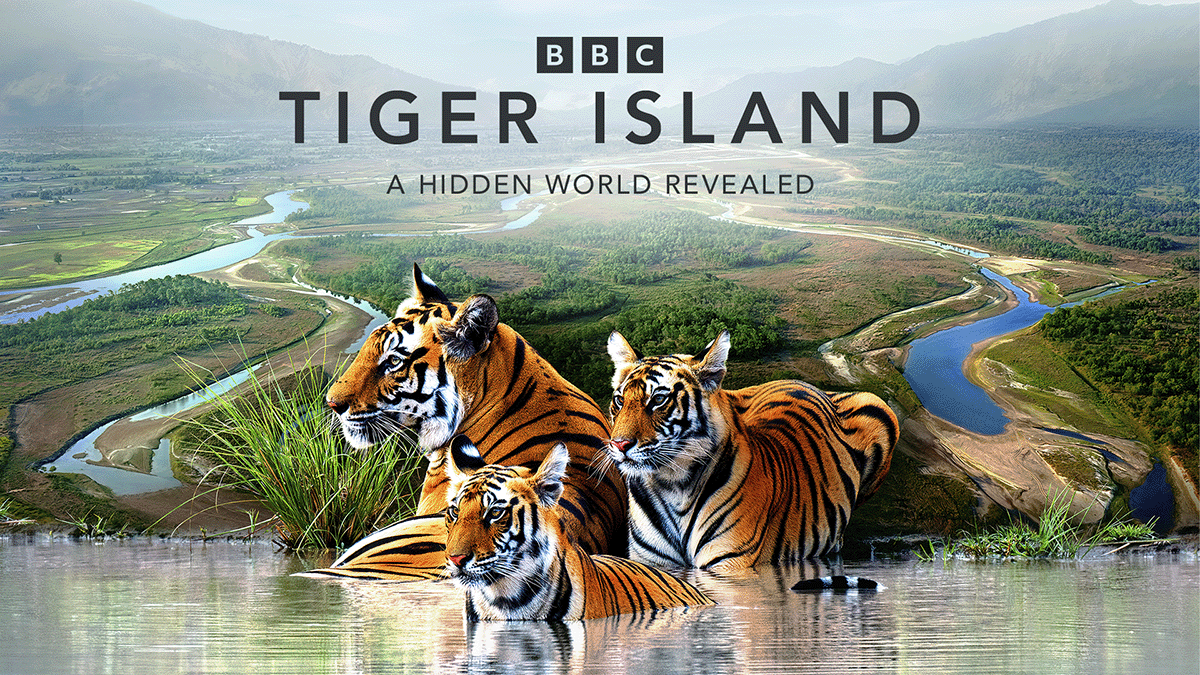
Shooting “Tiger Island”

“Tiger Island” is a new BBC documentary series, created by a team of filmmakers, scientists and local experts who spent three months following the elusive big cats in the forests of Nepal. Tiger populations in Nepal have been bouncing back in recent years, and this show tracks several generations of tigers living on an island near Bardiya National Park. We recently talked to nature cinematographer Max Hug Williams about his experience filming these majestic creatures with the GSS Cinema Mini 512EX gimbal.
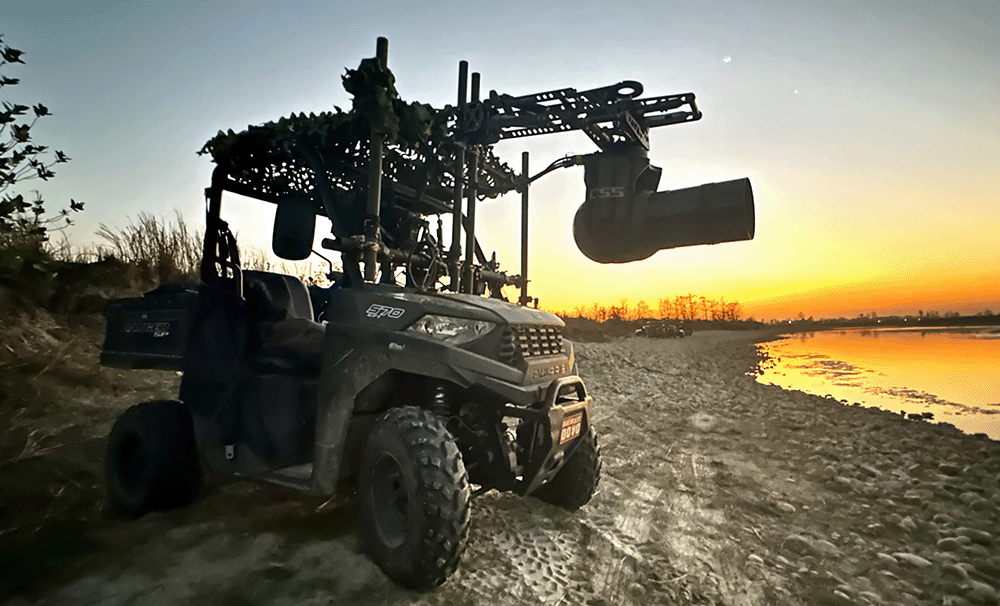
The producers planned out some interesting angles, including drone teams tracking the tigers from the air in real time, along with thermal cameras for night filming and behind the scenes moments with the crew to make an engaging story about the expedition. To capture intimate, long-lens shots of the tigers from the ground - they brought a GSS 512EX gimbal with a Red Raptor camera and a Canon CN20 50-1000mm lens. Mounted on a Polaris buggy, the stabilised system allowed the crew to deploy quickly and pan, tilt and pull focus without disturbing the tigers while travelling over some very rough terrain.
One thing that was special about this particular expedition was that they designed the shoot to follow individual tigers around the clock. By combining a fleet of drones overhead with a mobile team tracking the tigers at ground level, along with thermal cameras for night filming, they were able to observe previously undocumented behaviours and offer viewers a window into the secretive world of tiger life.
And tigers are quite different from their African cousins, as Hug Williams discovered: “I’m very used to working with big cats in Africa. Leopards and lions are often very habituated to vehicles, so I don’t bat an eyelid when a lion walks past the car, because you know they’re not seeing you as a prey item, they’re seeing you as a part of the vehicle. But with tigers that aren’t habituated to vehicles and aren’t accustomed to being followed, it’s a very different ballgame. They’re secretive ambush predators and far more of an unknown quantity. No one had really followed them in this way before. You have to treat any apex predator like that with maximum respect, and as wildlife filmmakers, the last thing you want to do is disturb the animals.” Leading the team and keeping everyone safe were wildlife guides and sisters Sushila and Manju. They grew up in this area and know these tigers better than anyone.
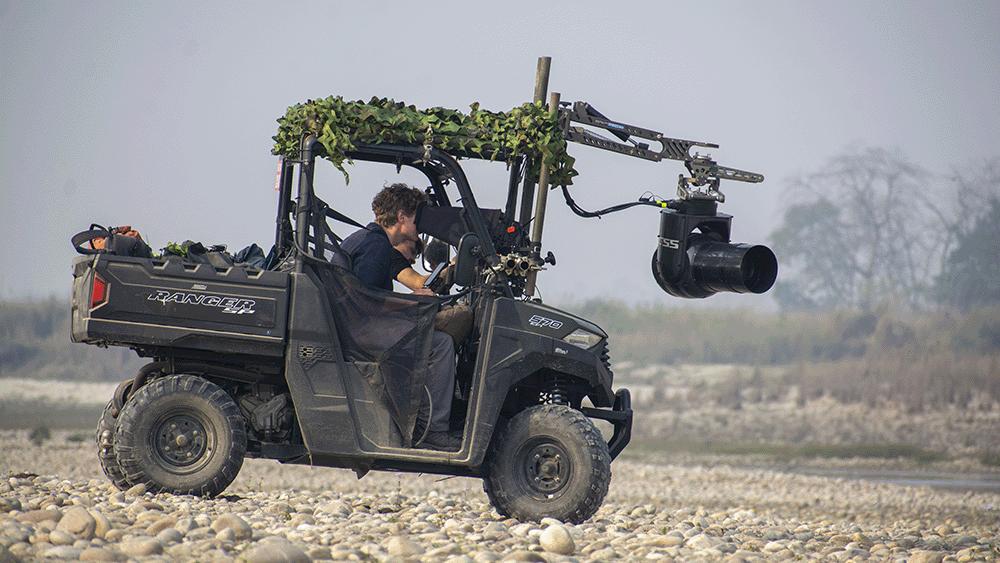
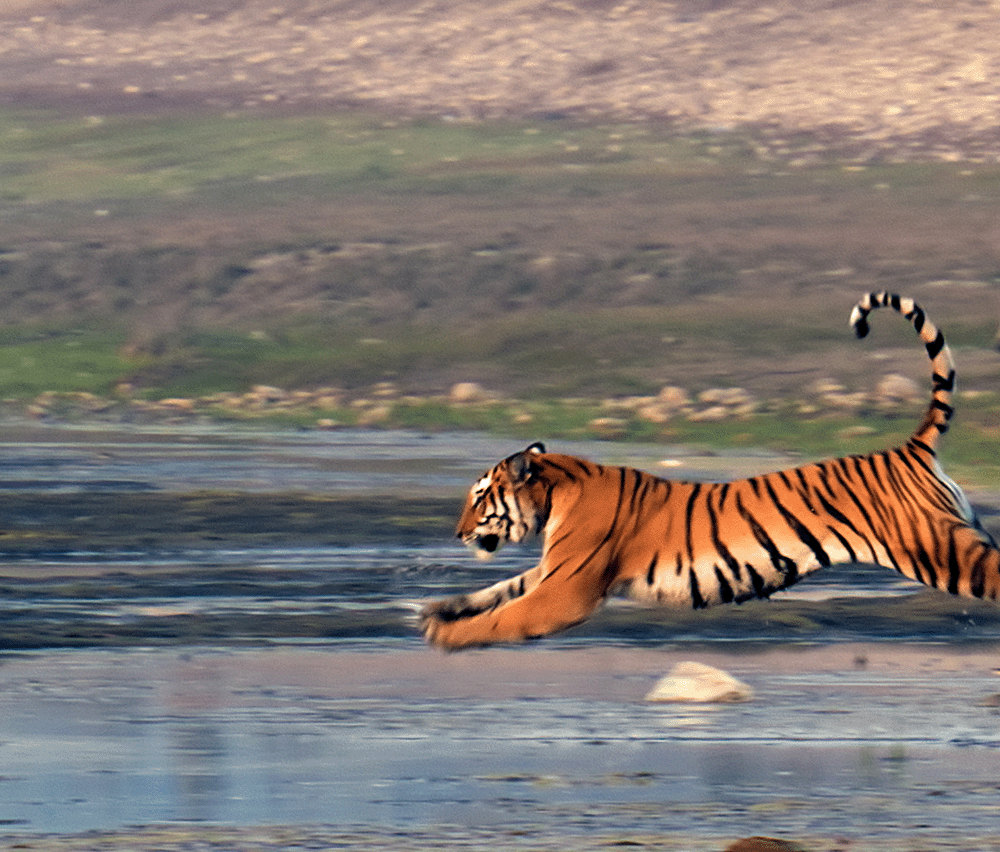
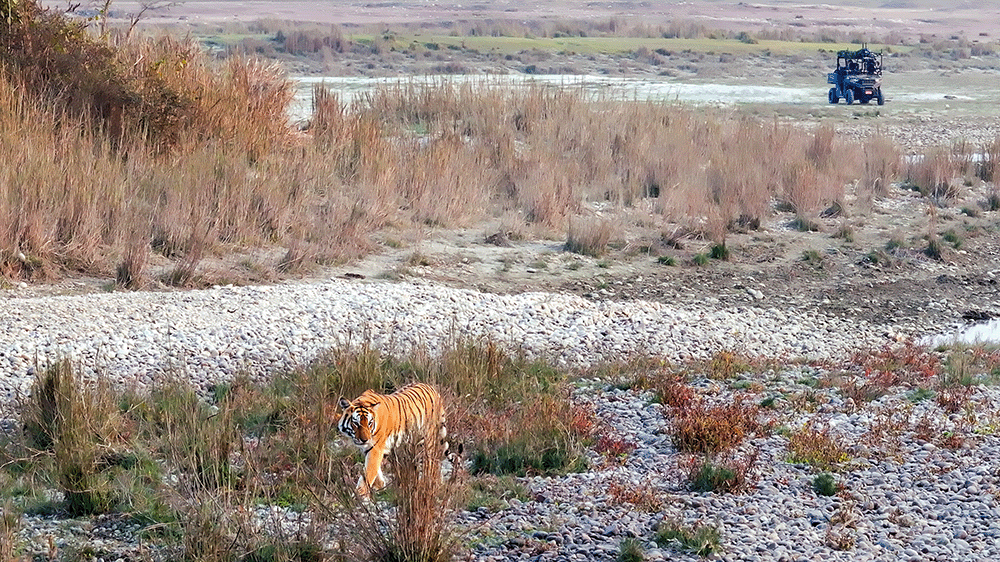
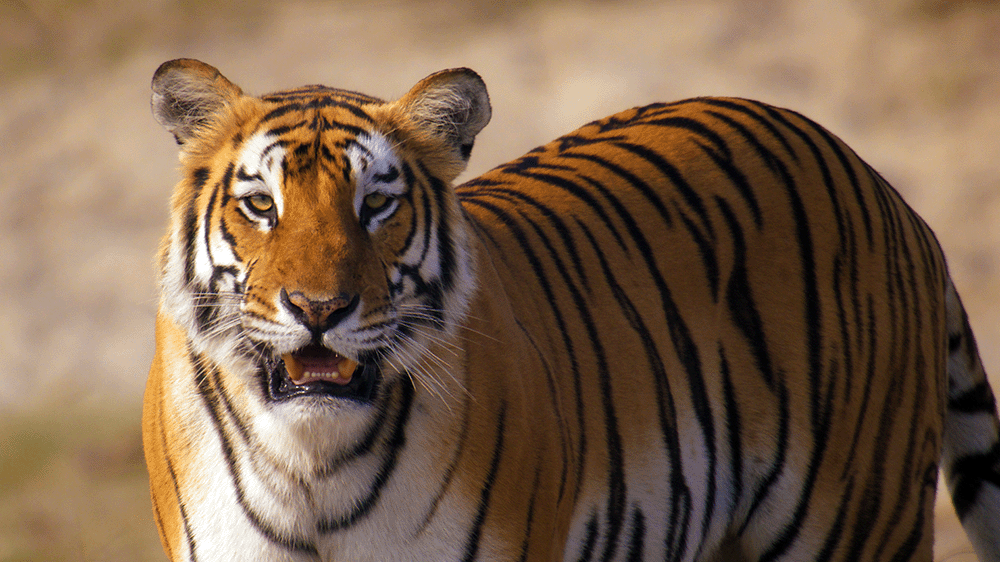
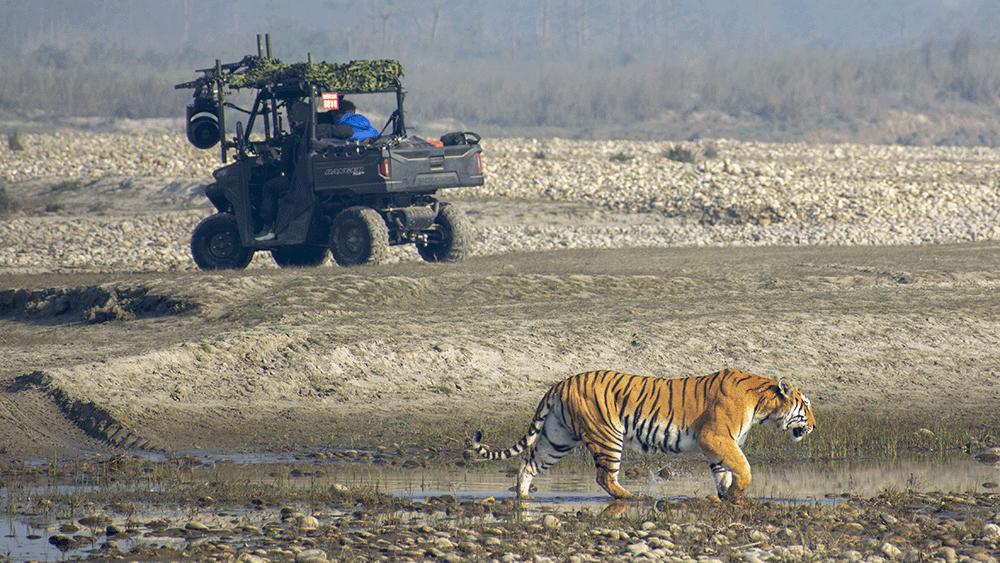
Nepal put the equipment through extremes most shoots never see. The crew arrived in near-freezing temperatures with the Himalayas visible in the background; by the time they left, the region had turned to monsoon — dust one week, deluge the next. The Polaris UTV carrying the gimbal took the worst of it. "The buggy was completely beaten up by the end of the shoot," Hug Williams said, “but the gimbal was working great.” That kind of field durability story is no surprise; it's baked into how GSS builds and supports its systems.
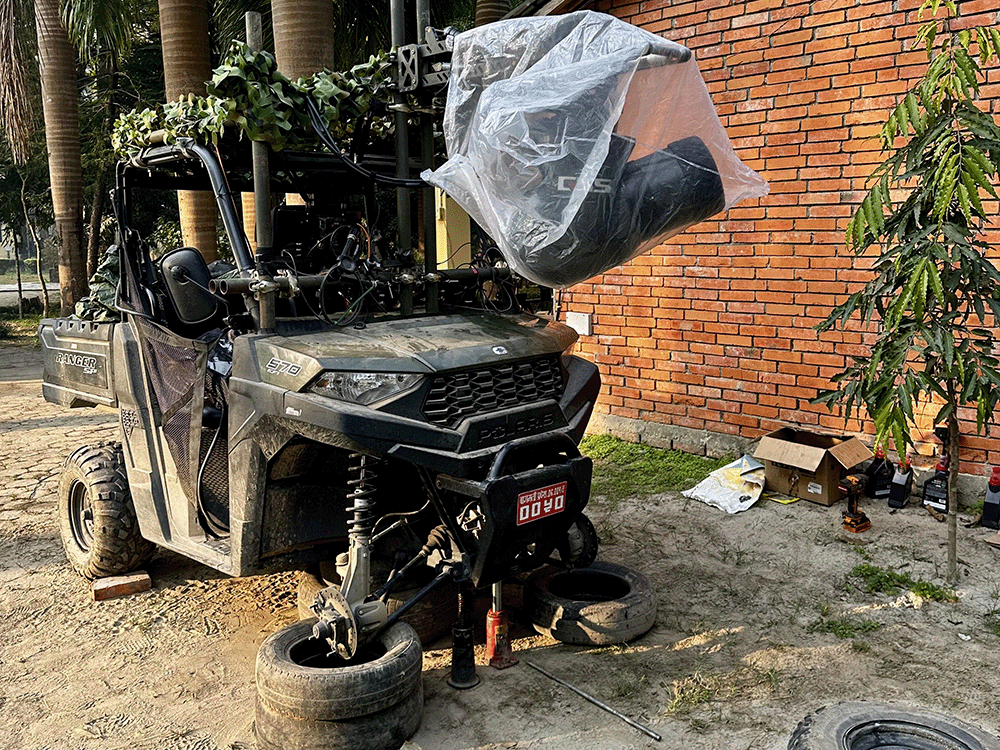
Night-time brought its own discoveries. With thermal cameras running after dark, the crew began picking out tiger heat signatures scattered across the forest — and lost count. "I think on the last night we identified around 15 individual tigers," Hug Williams said, describing a density of tigers he called among the highest anywhere in the world, in a patch of community forest outside the boundaries of the national park. In just over a decade, tiger numbers in Nepal have tripled, making it one of the great conservation success stories of the twenty-first century. Footage from the series is now feeding into published research on the population — a reminder that better tools in the field don't just make for better television, they help scientists build an even deeper understanding of one of the most-studied predators on Earth.
Hear what Max had to say here:
Jamie McPherson: GSS and the Making of “The Dinosaurs”
GSS cinema gimbals have long been the mainstay of natural history cinematographers who want to get up-close-and-personal with wild animals without impacting their natural behaviors. Putting long-lenses onto moving platforms lets filmmakers follow the action wherever it leads, and no one does this better than GSS.
But when the story turns pre-historical, and the animals being discussed have been extinct for millions of years, how do you deliver the immediacy and authenticity that nature film viewers are used to, while recreating the stars of the show digitally?
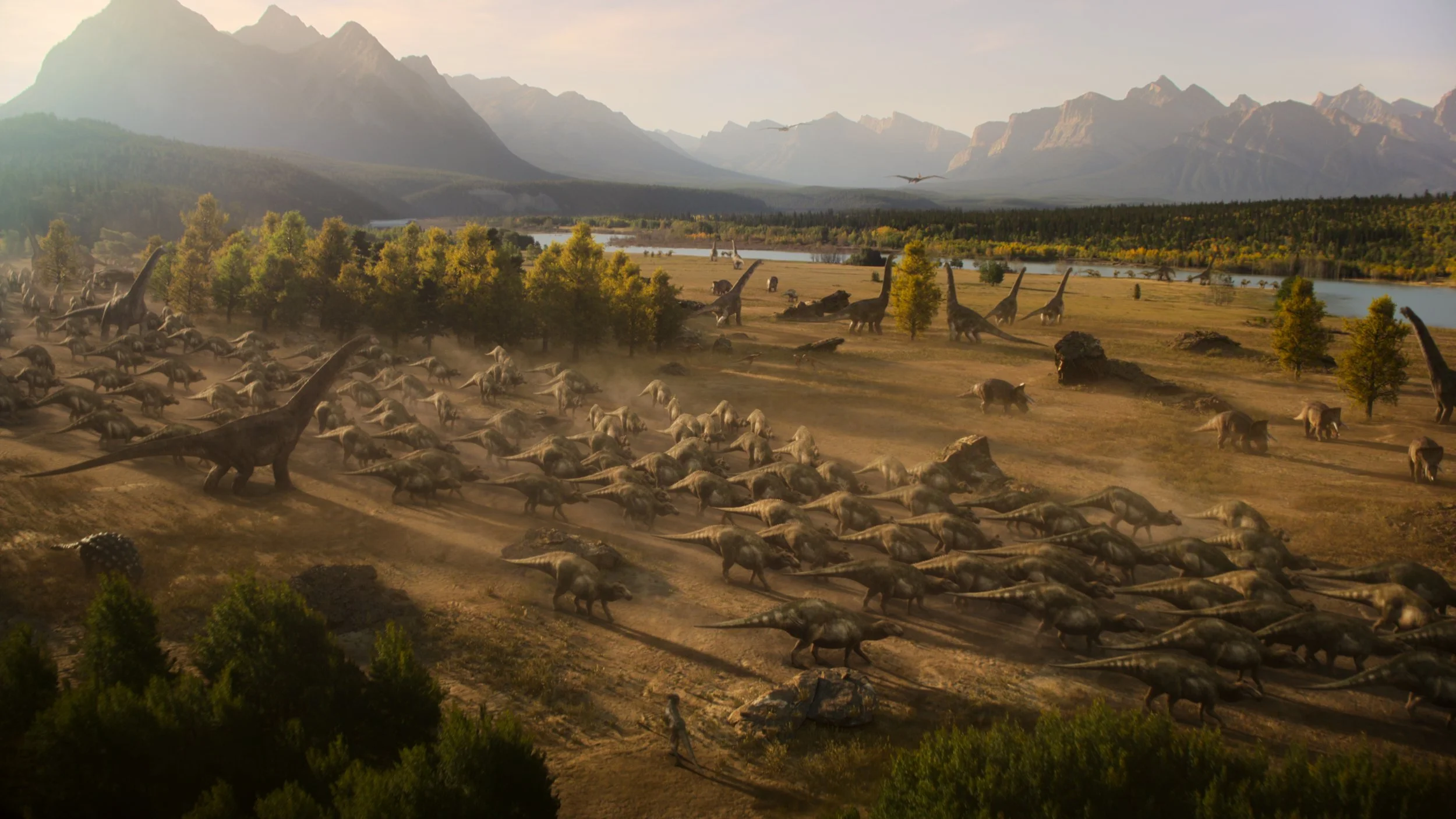
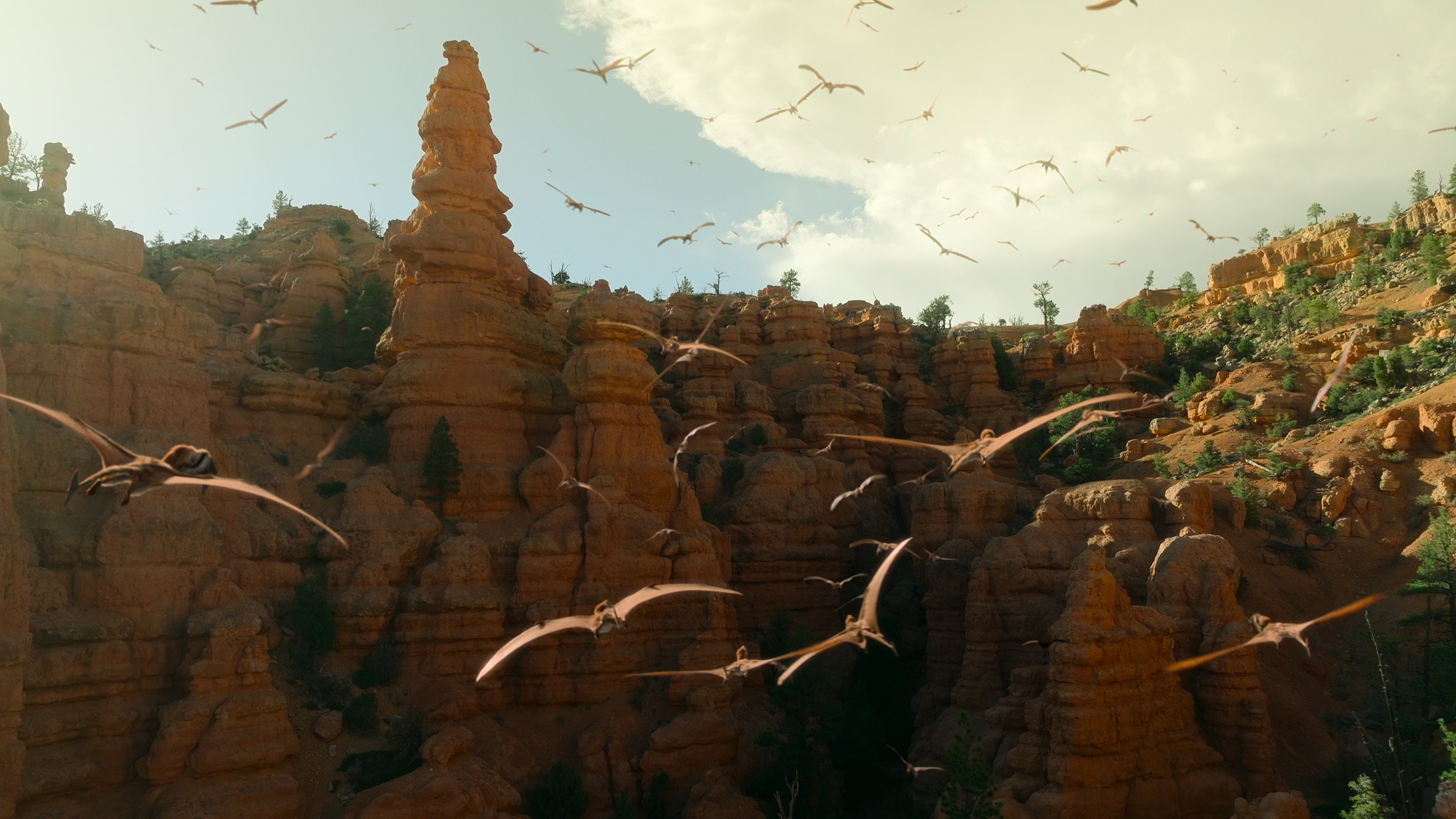
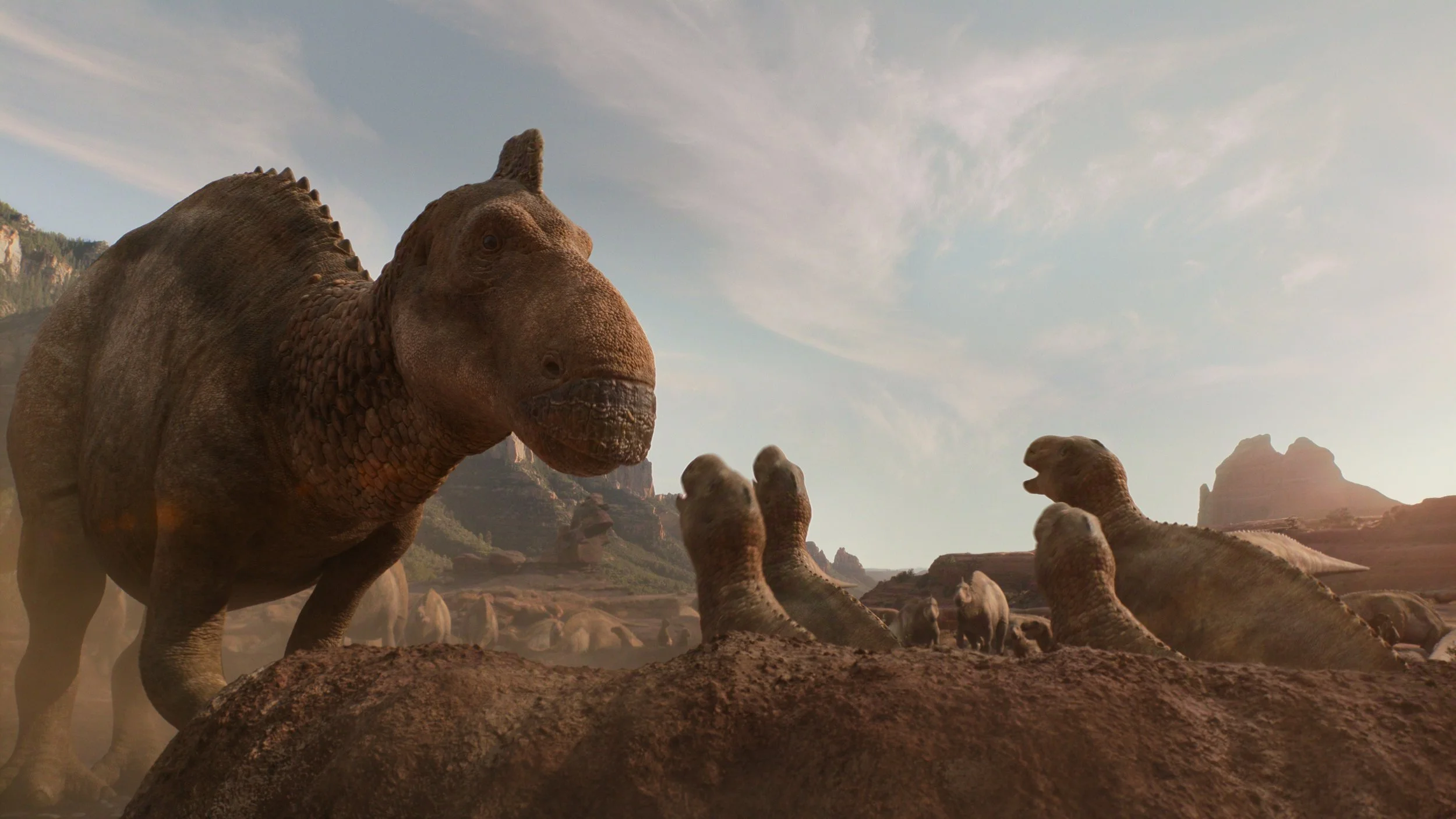
Cinematographer Jamie McPherson has been shooting wild animals for decades now, and he has pioneered techniques for up-close moving camera work using GSS cinema gimbals on shows for Disney Nature, BBC Earth, National Geographic, Netflix and others. We spoke about his work on Silverback Films recently-released Netflix series, “The Dinosaurs”, where he served as the show’s Visual Effects DP, and he shared some thoughts on how the challenges remain the same even when shifting some of the work into post-production.
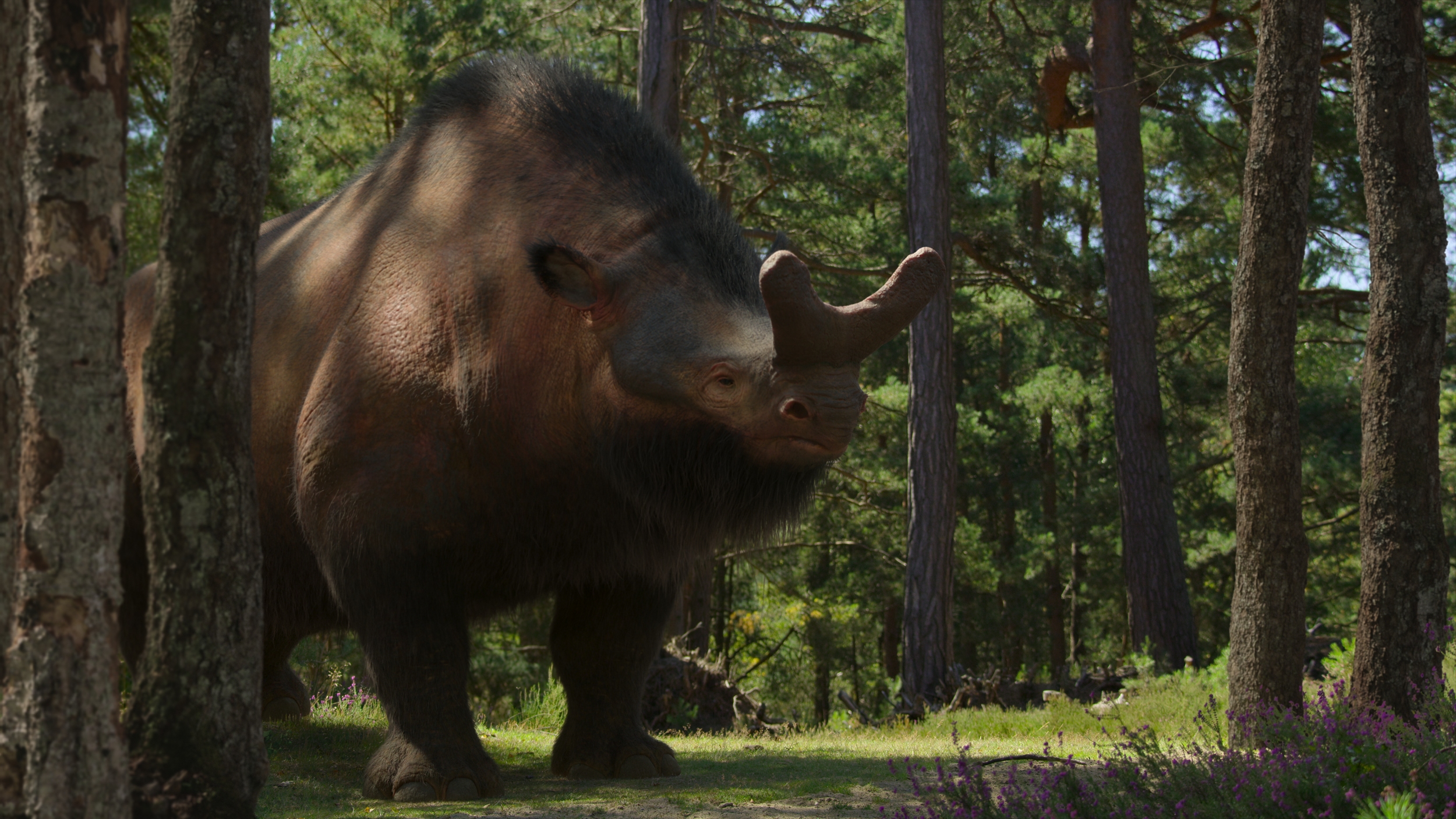
The team from Silverback Films spent three years developing the show, and much of the effort went into capturing real-world environments for the stories, which lends a profound realism to the imagery. Leveraging a wide range of contemporary settings from swamps to deserts to redwood forests, the films make strong connections between changing conditions on the earth and the evolutionary developments seen across the millions of years of the dinosaur’s reign. And the giant beasts feel right at home.
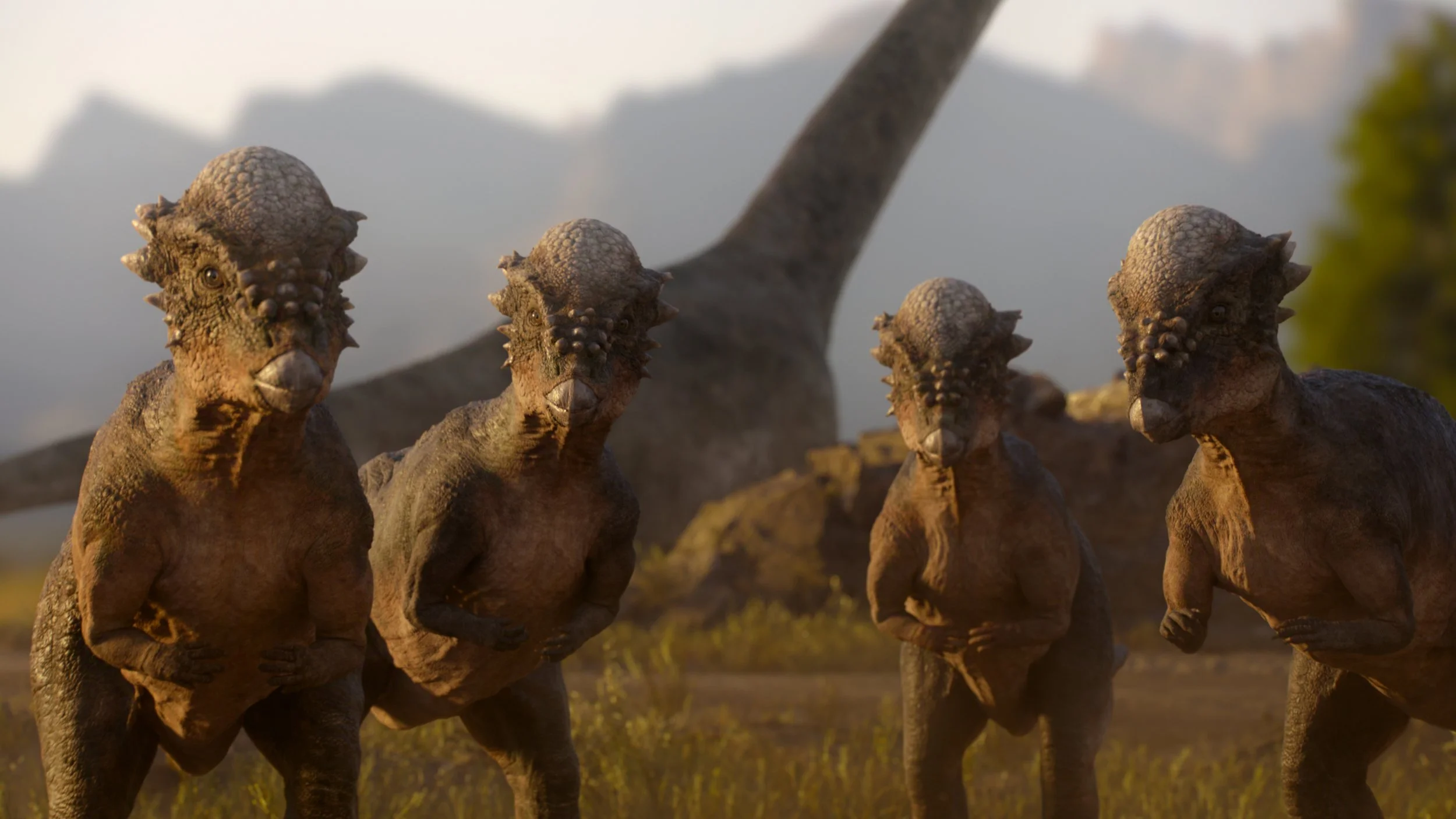
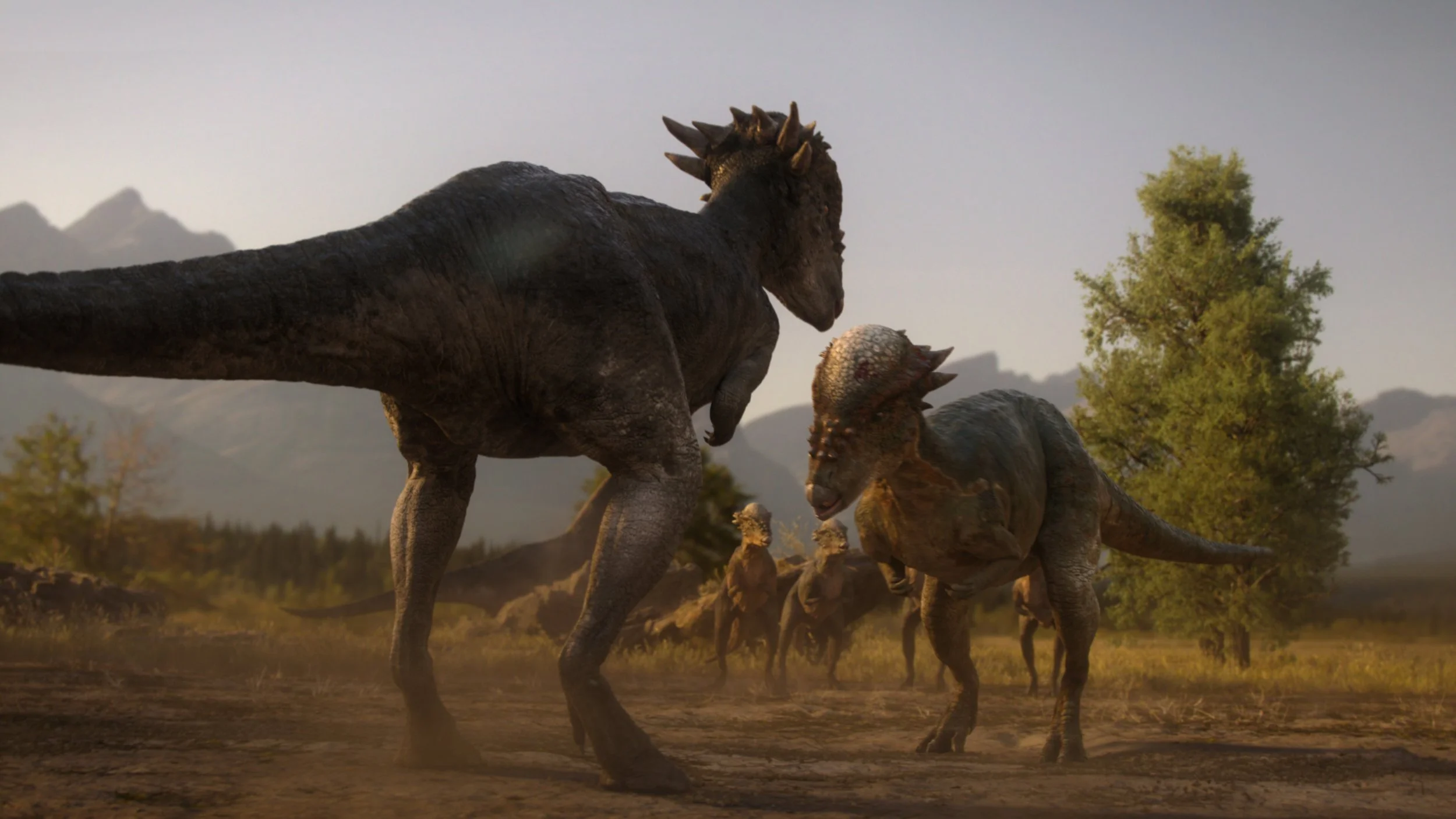
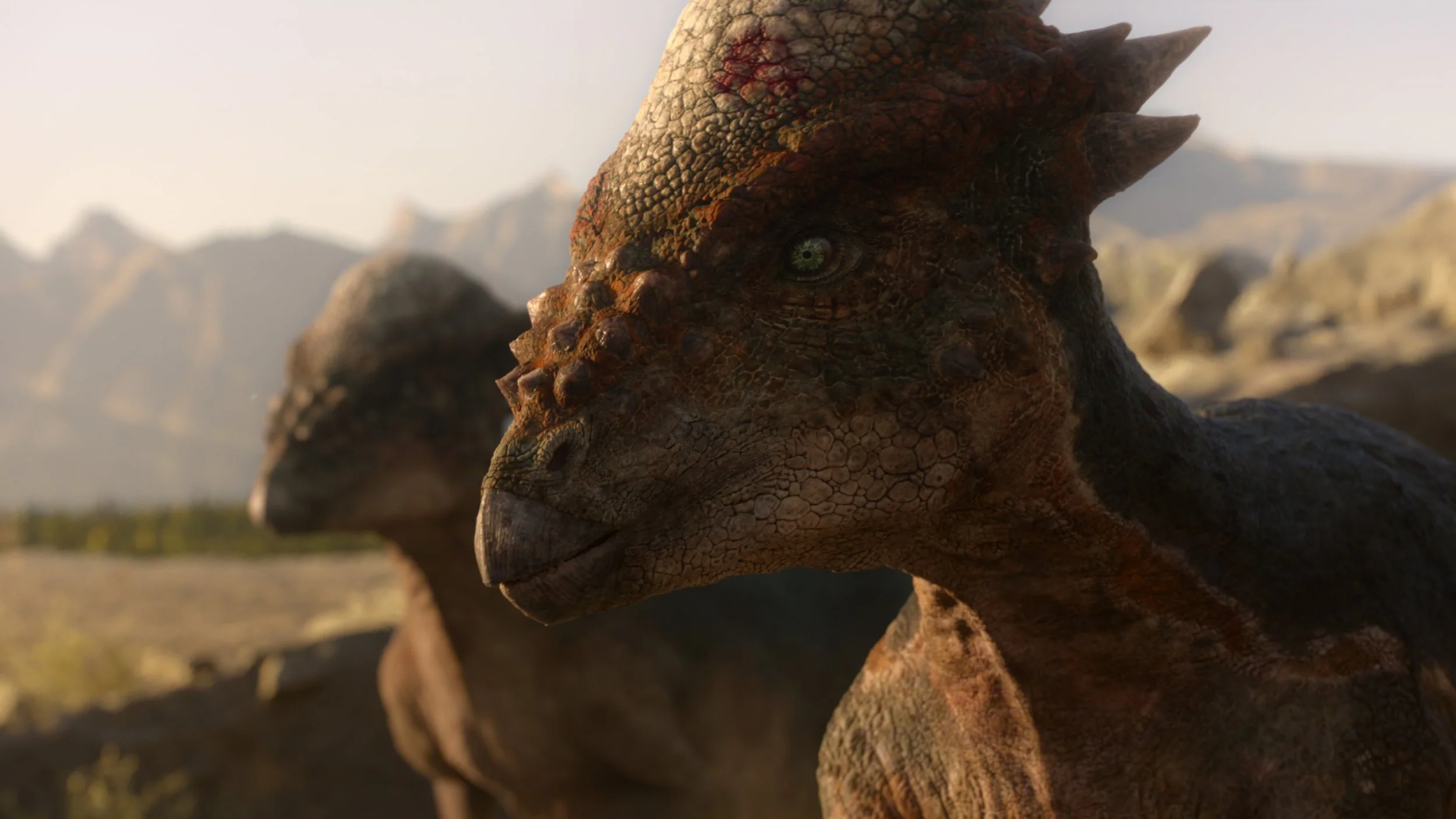
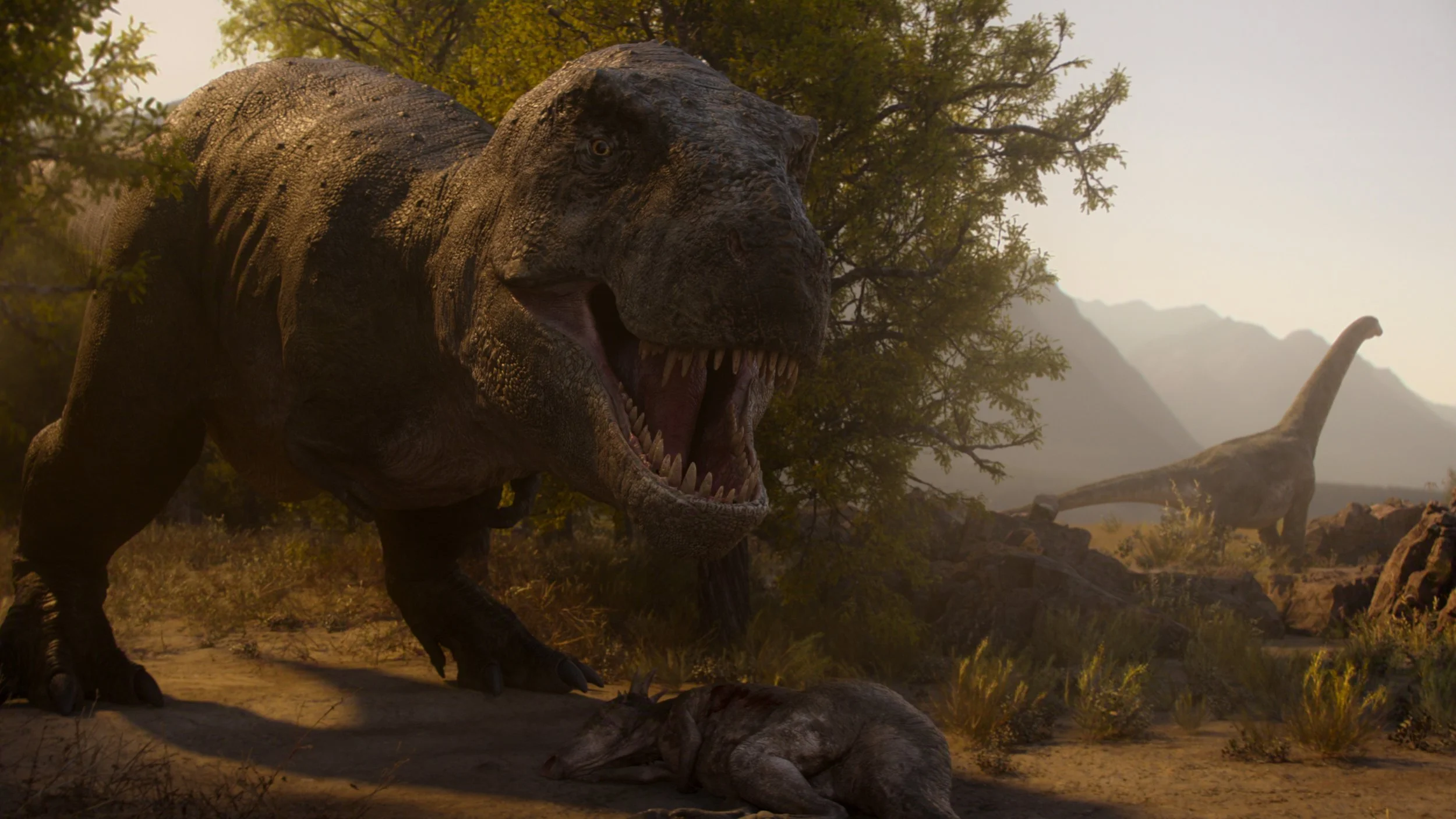
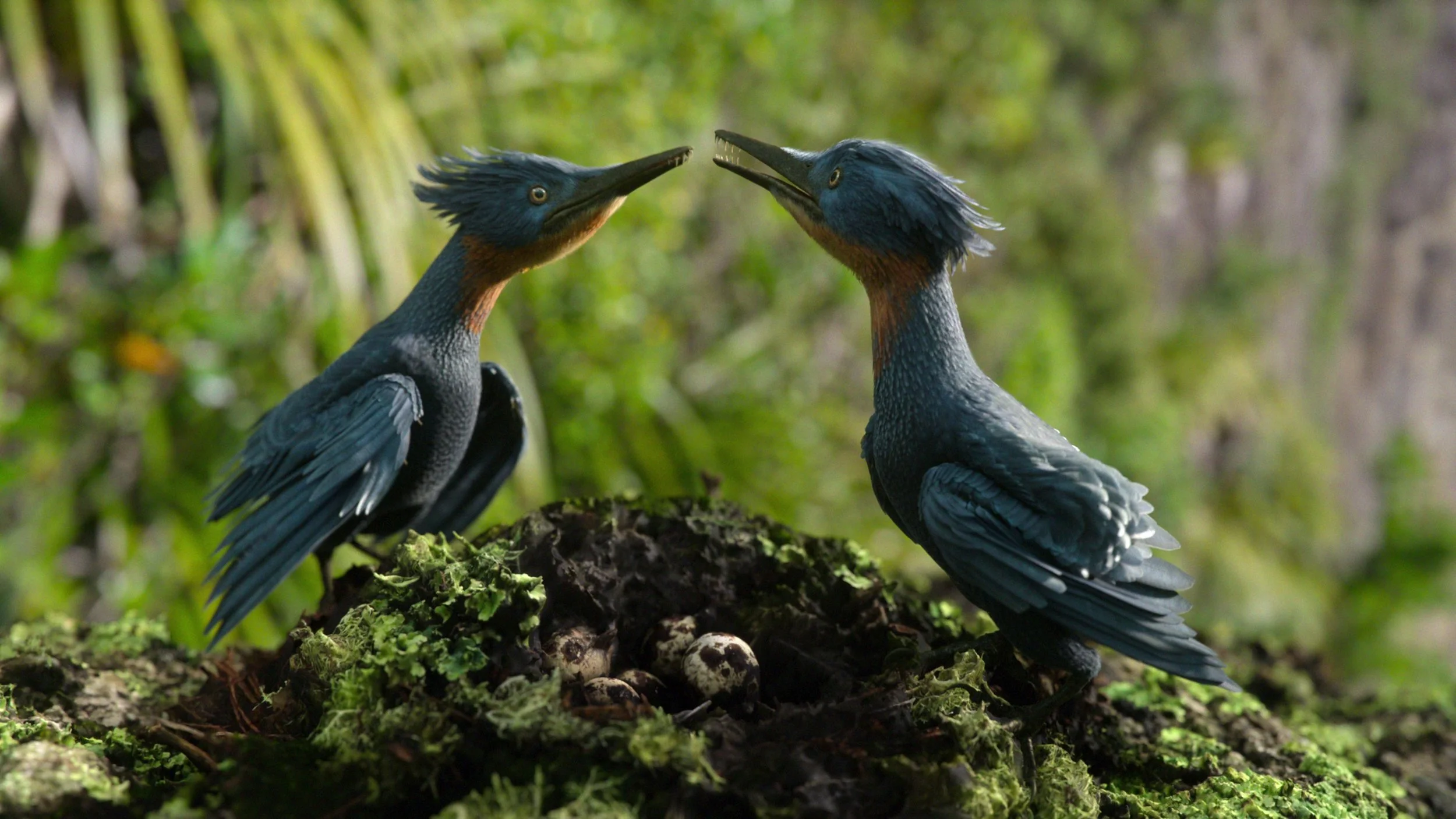
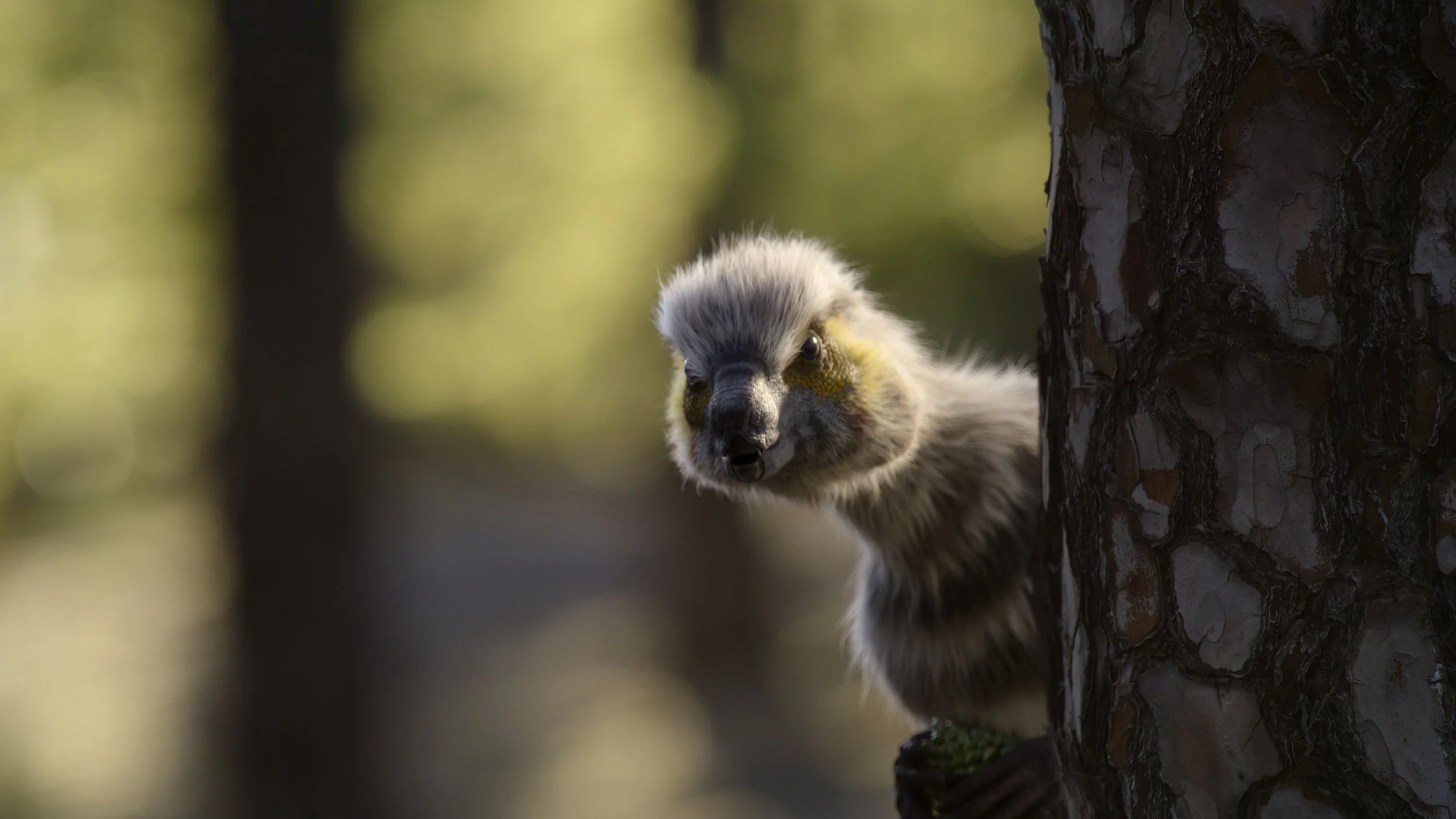
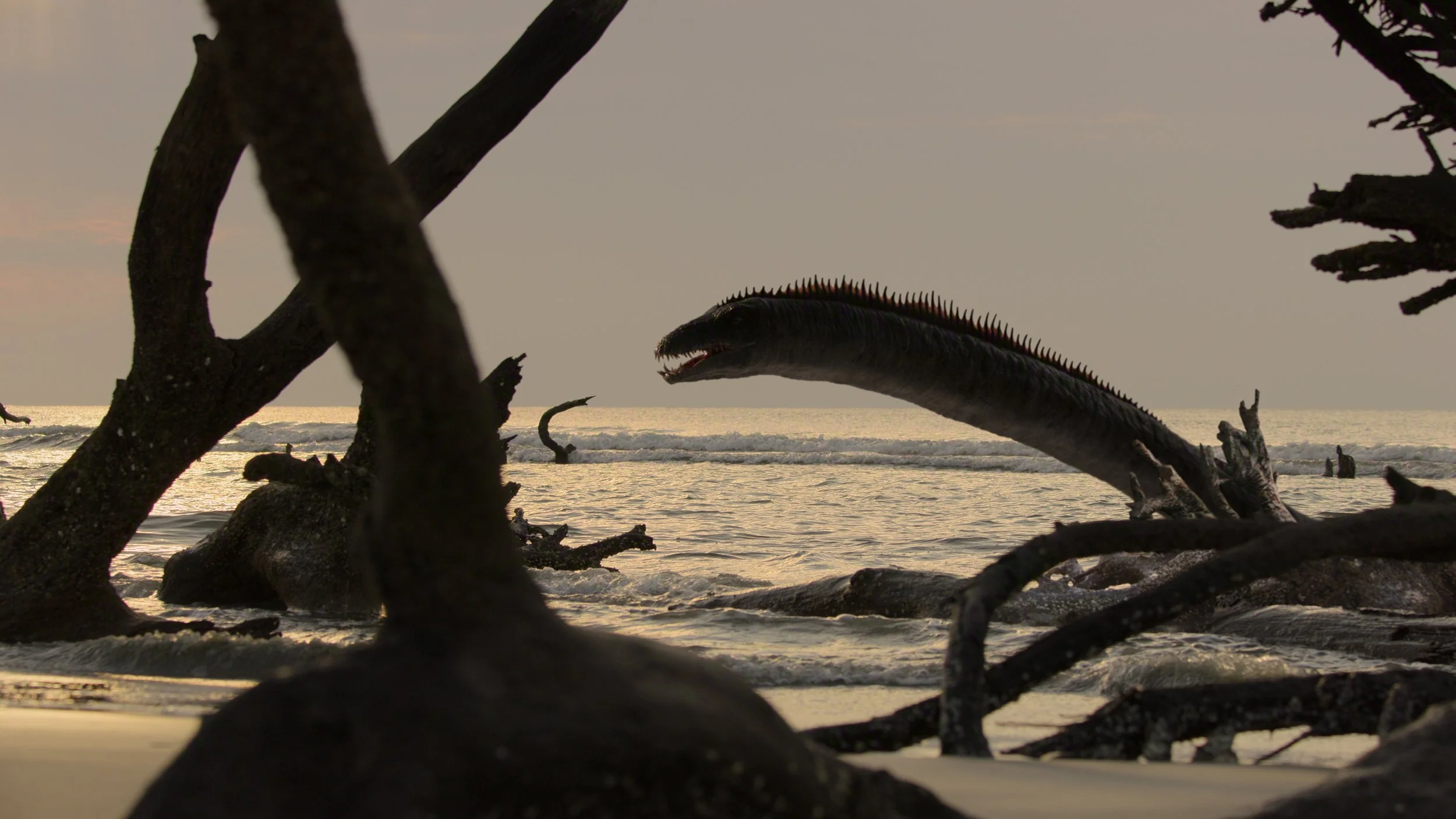
“It’s through the experience of myself and the directors who’ve worked on these shows, and a lot of natural history shows, to make the animals feel real and that they’re acting in realistic ways, and they’re sort of embedded in that environment”, McPherson says. “It’s very key where you put the camera and how you move the camera to bring those stories to life.”.
Those camera moves prove key to building emotion into the scenes. “One of my favorite scenes is the dilophosaur, it’s a really badass dinosaur that's hunting crocodiles in the swamps of Texas. And then it hears a noise, and he goes to investigate the noise. And we turned it into, like, a horror story of Little Red Riding Hood going to investigate this noise made by a monster.” See how that scene develops below:
“It turns out to be another Dilophosaurus, which is even bigger and scarier. And then you have this sort of macabre dancing. And we were filming from a boat with the GSS on a crane doing all these slow horror moves. So POV shots and empty frames where she turns and looks, and then you show what she can see, which is nothing, or glimpse of something. You really try to bring the character out and make people empathize and feel, you know, scared or feel excited by the framing we're using.”
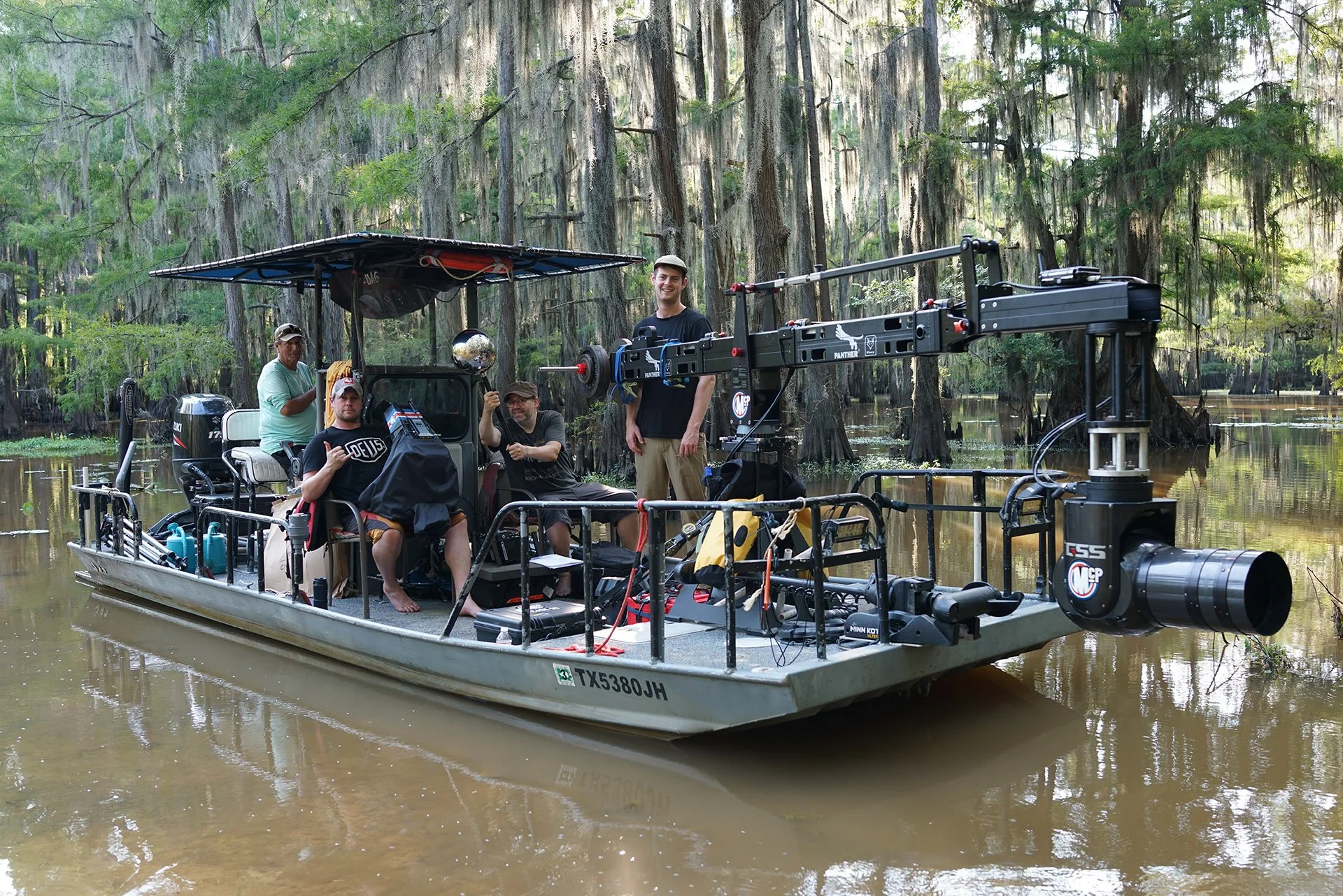
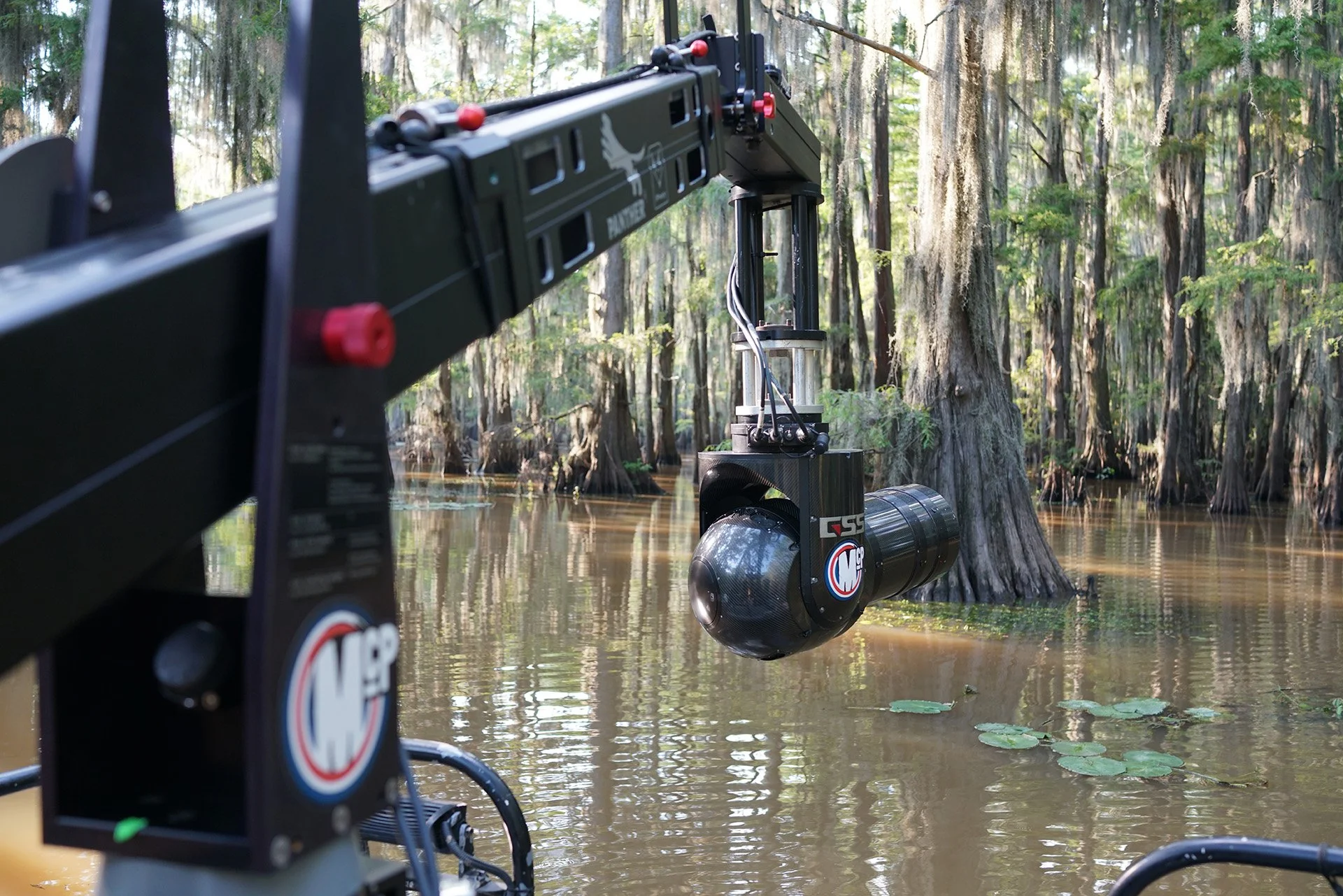
For this project, he’s shooting plates where the main characters will be added in post, and McPherson says the smooth, stabilized footage he gets from the GSS is just part of creating high-quality composited scenes. “Every shot we do, we’re listing the focal length, distance, iris… all the camera detail is passed on to ILM to re-create the scene. And then they would LIDAR the whole scene to get the lay of the land, so when they put the dinosaurs in, they could fit them to the ground”.
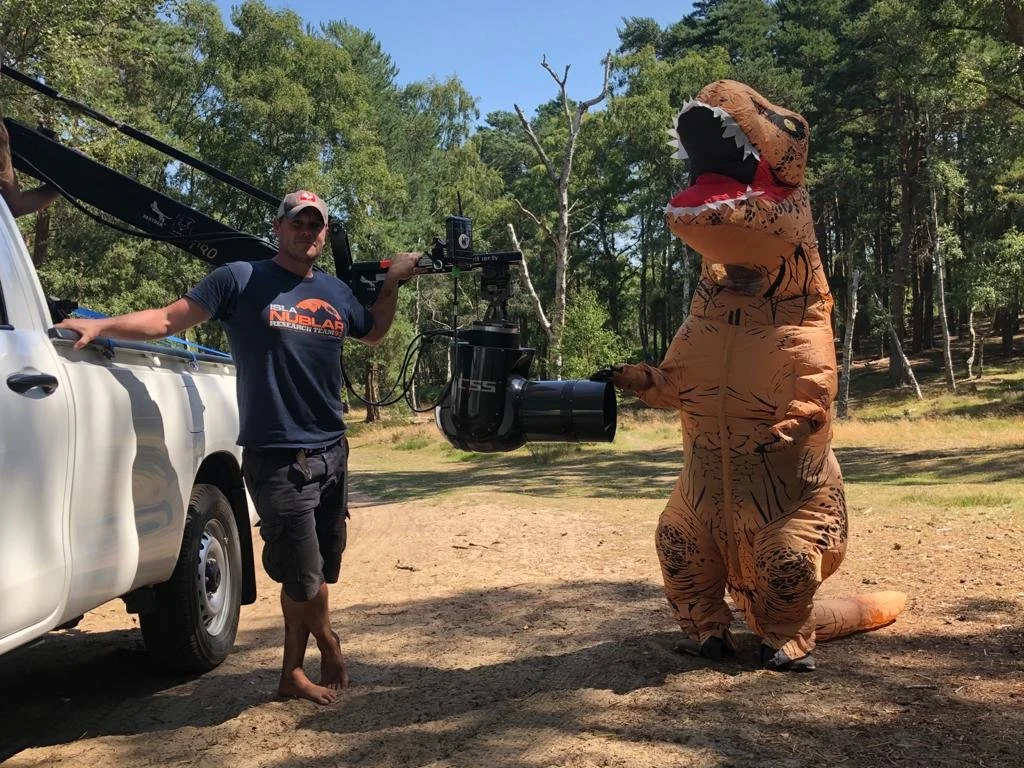
One of the main reasons people choose to shoot with the GSS gimbal is that it literally goes anywhere. “One of main setups we used was a 4x4 with a crane in the back of the pickup truck. So we can we can move easily. We can do big tracking shots by moving the vehicle, and we can also do slow camera moves with the crane.”
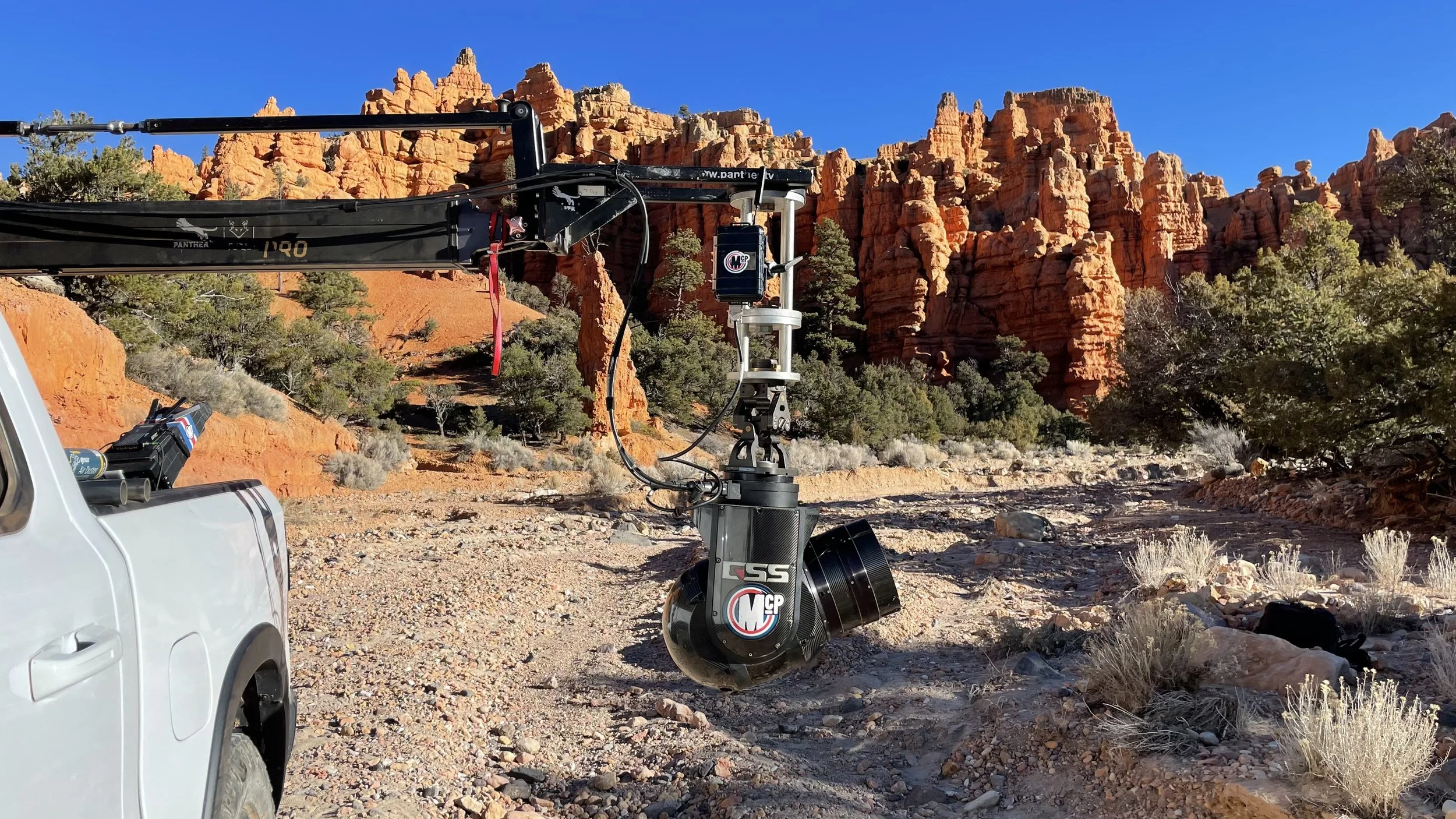
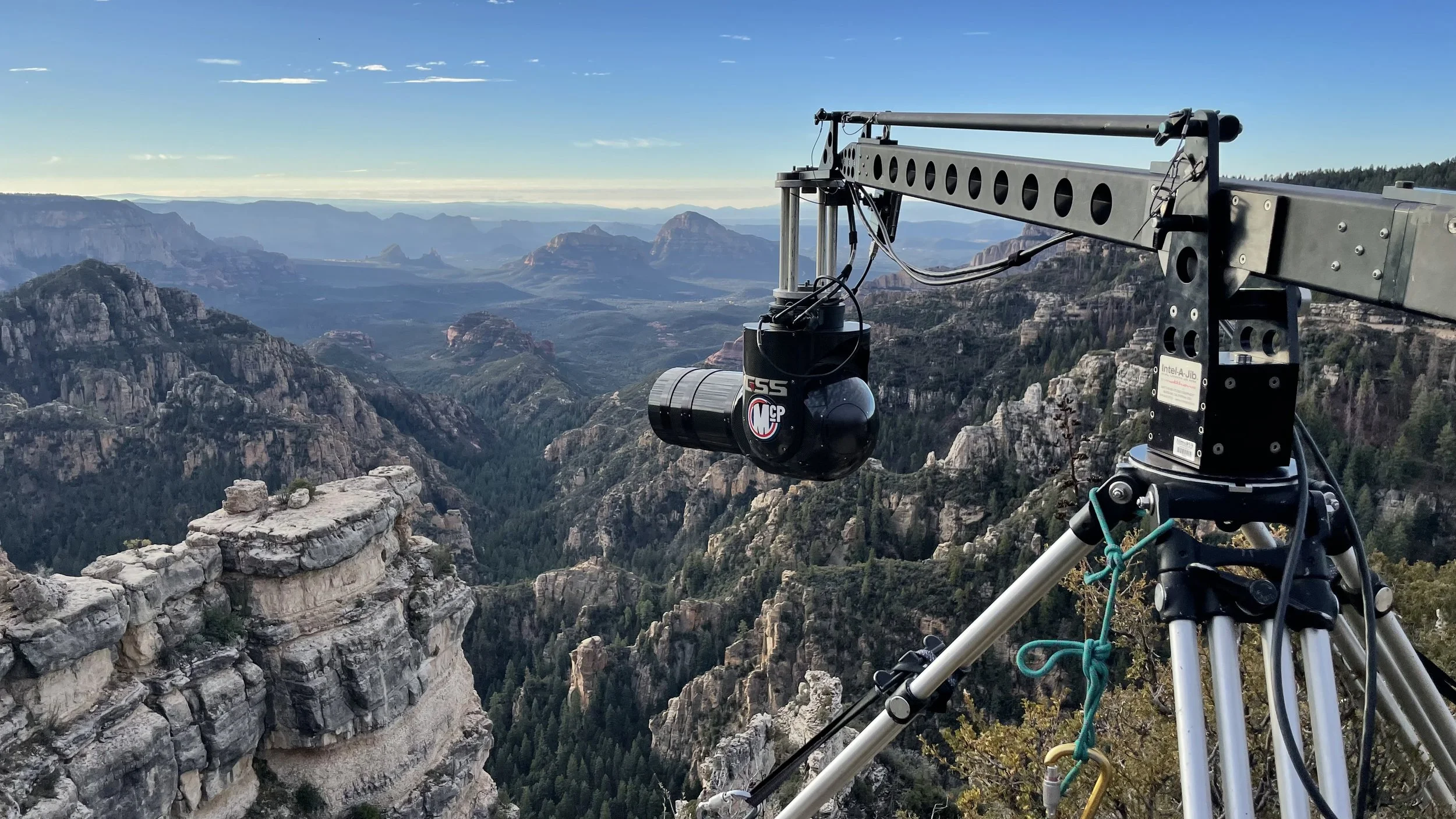
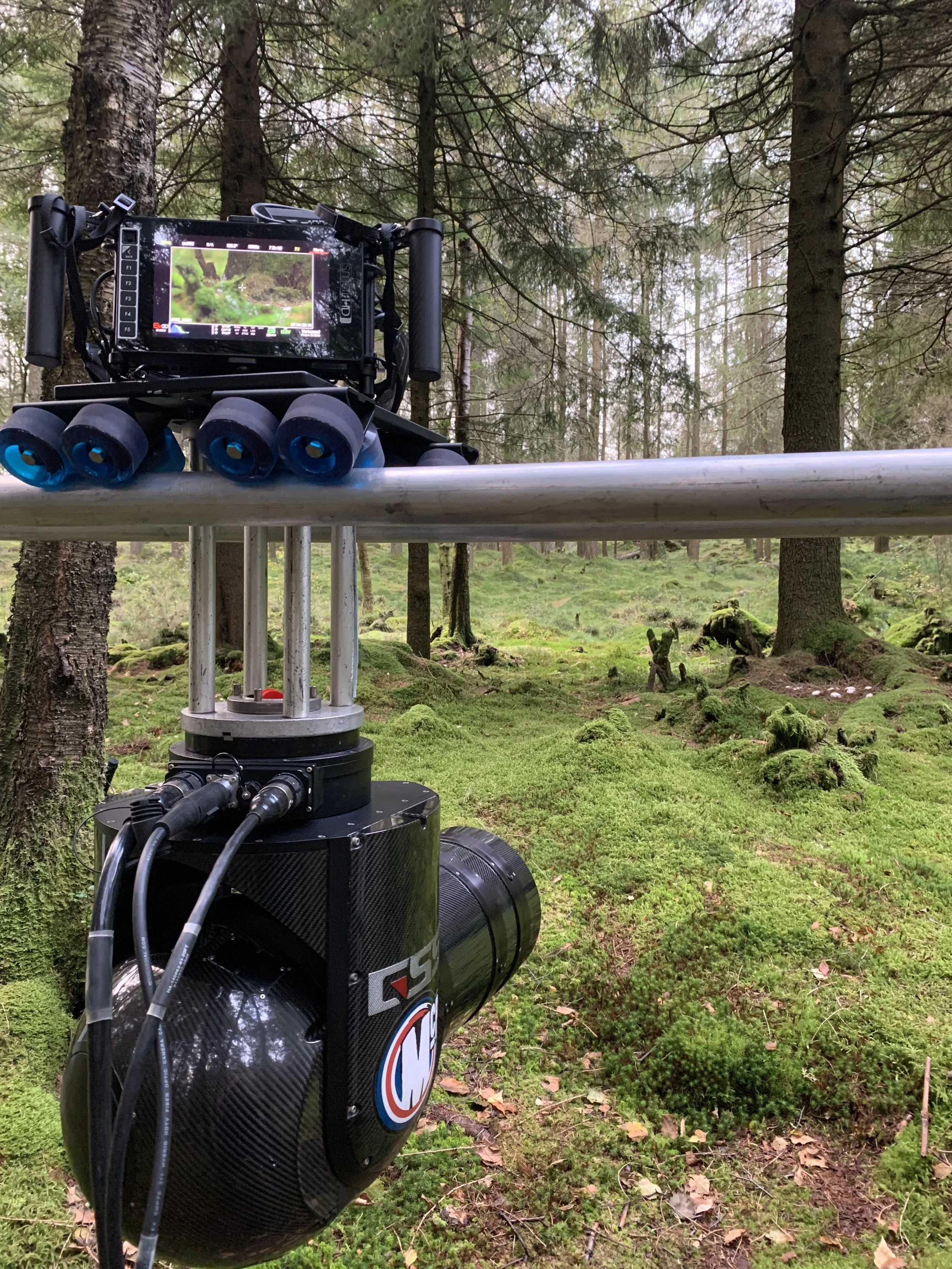
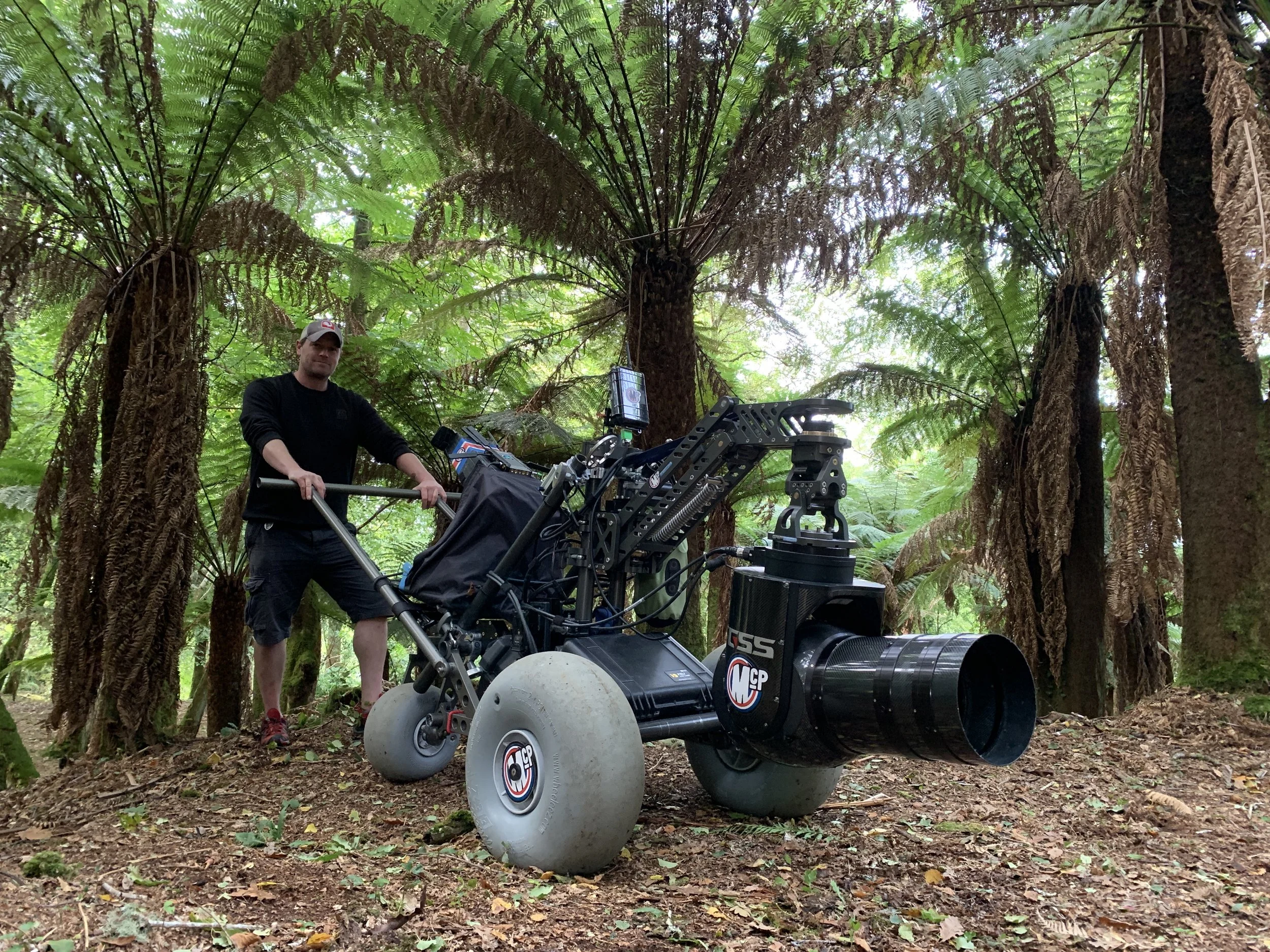
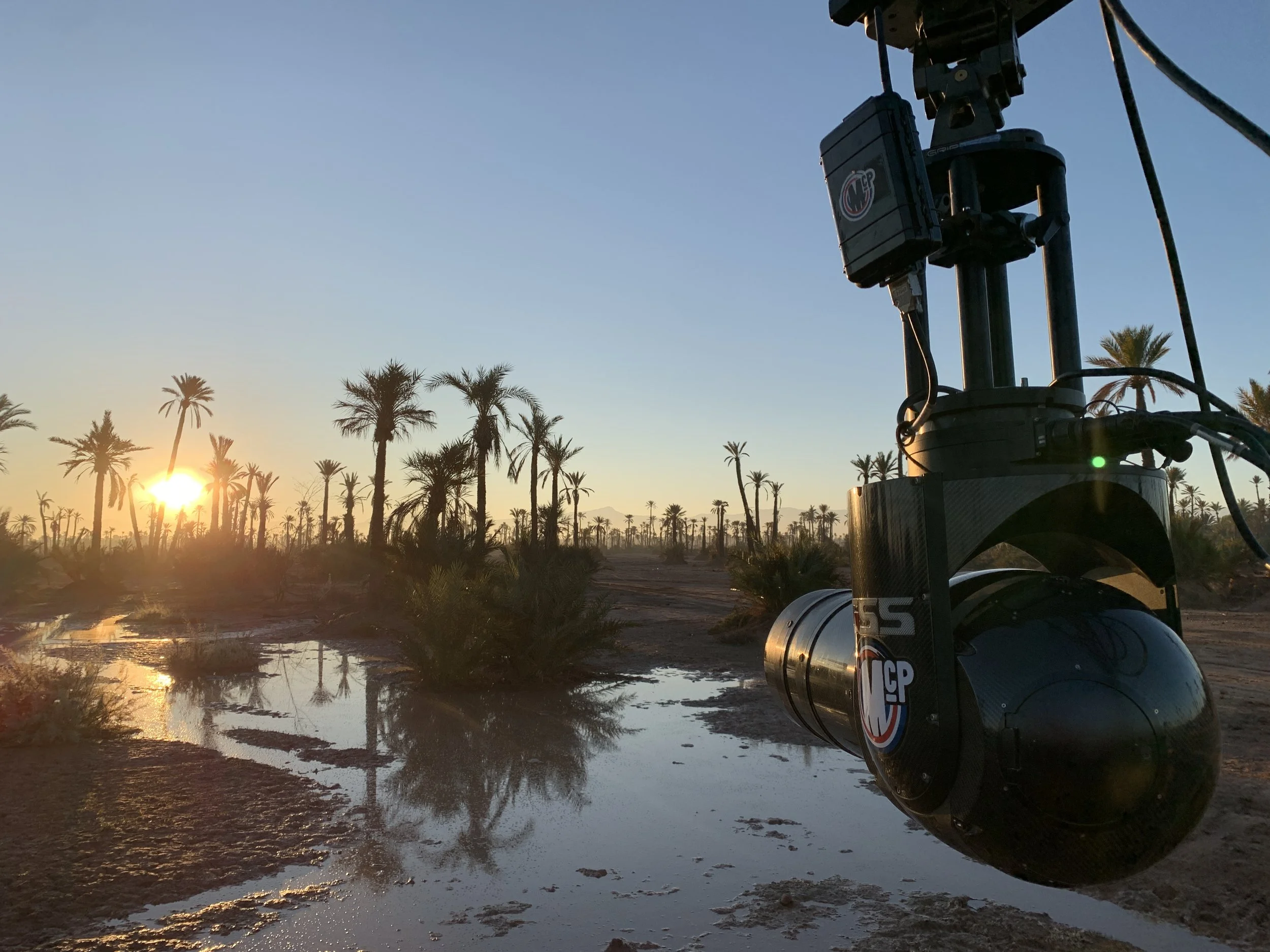
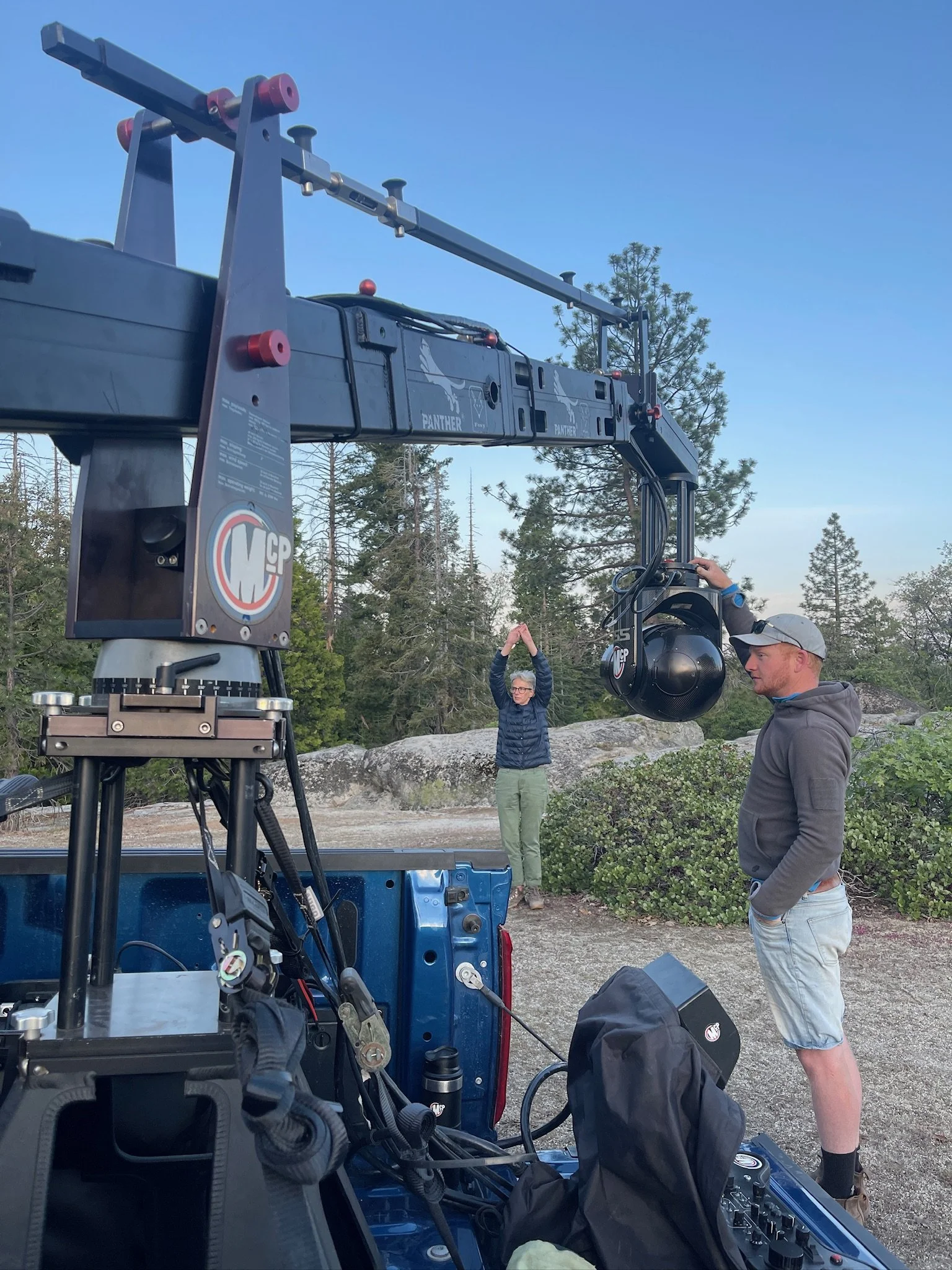
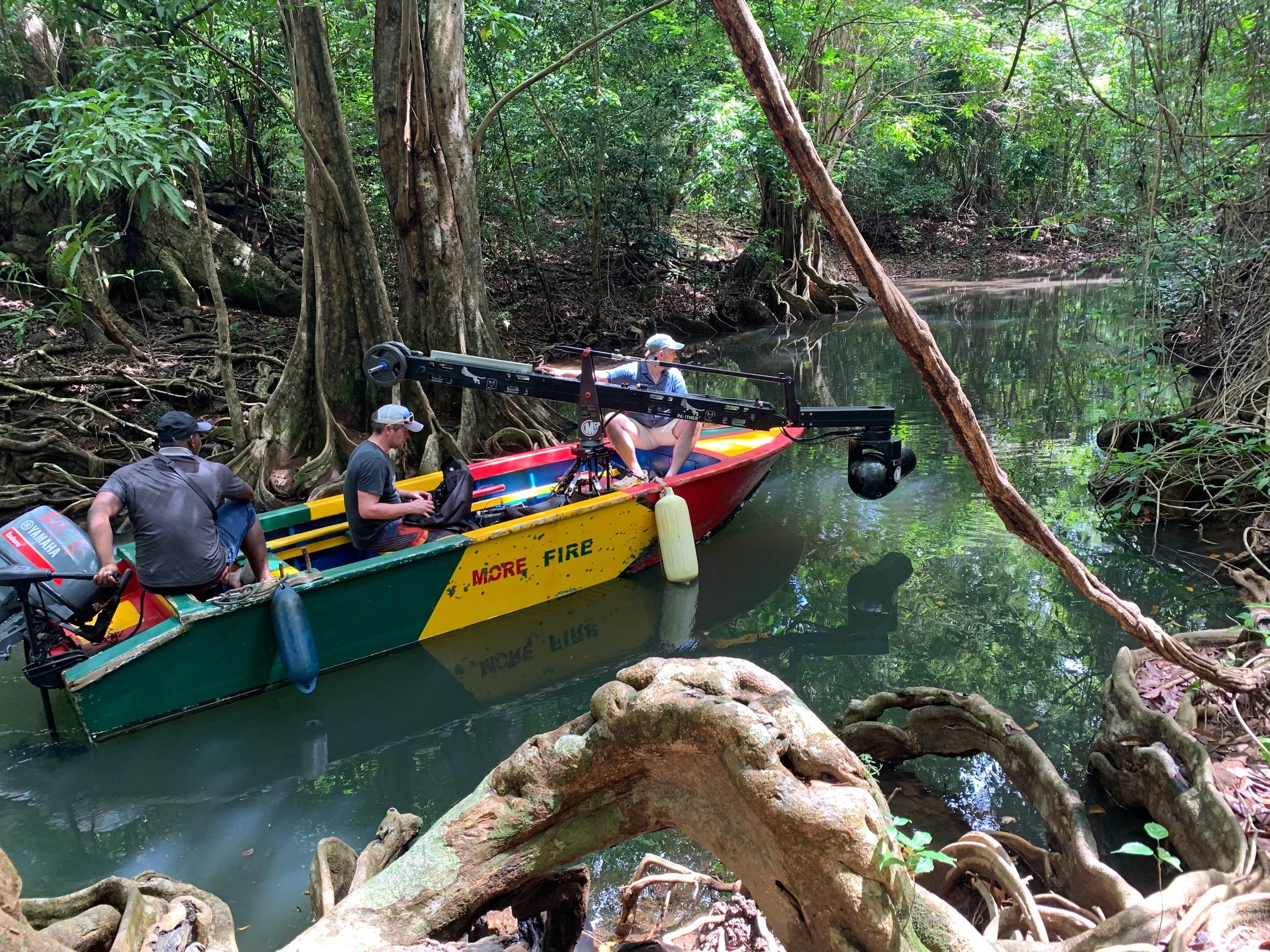
“And then we did the same with boats. We shot a couple of scenes with boats where you have a crane in a boat, the GSS on the end so you can get it right on the water and you can get it up and just do all the camera moves you need. And the GSS is amazing because it is fully enclosed if you want it to be. We did some practical effects with big rain machines for a night scene, and the GSS can sit there in the rain machine, we don't have to worry about it.“
Shooting nature usually means shooting in natural light, and for this McPherson relies on an 8k Red Helium camera. “The Red has great latitude. So the shadows are great and the highlights are great: it works well in the redwood forest and in the swamp: the range it has is amazing for that. I love the look of the Red.”
For lenses, he needed to be prepared for a wide range of focal lengths. “I tend to use the 50 to 1000 quite a bit on this series to give it that similar feel of like, shallow depth of field, very long reach, compressing the scene.”, he says, referencing the Canon CN20 lens that nature shooters covet. “But I also use a 25-250 Canon and a Canon 14.5 to 60 as well. So they're my three lenses that I go to to cover pretty much any scene I need to cover.”
You can learn more in the interview here:
Tom Walker on filming National Geographic’s “Cheetahs Up Close”
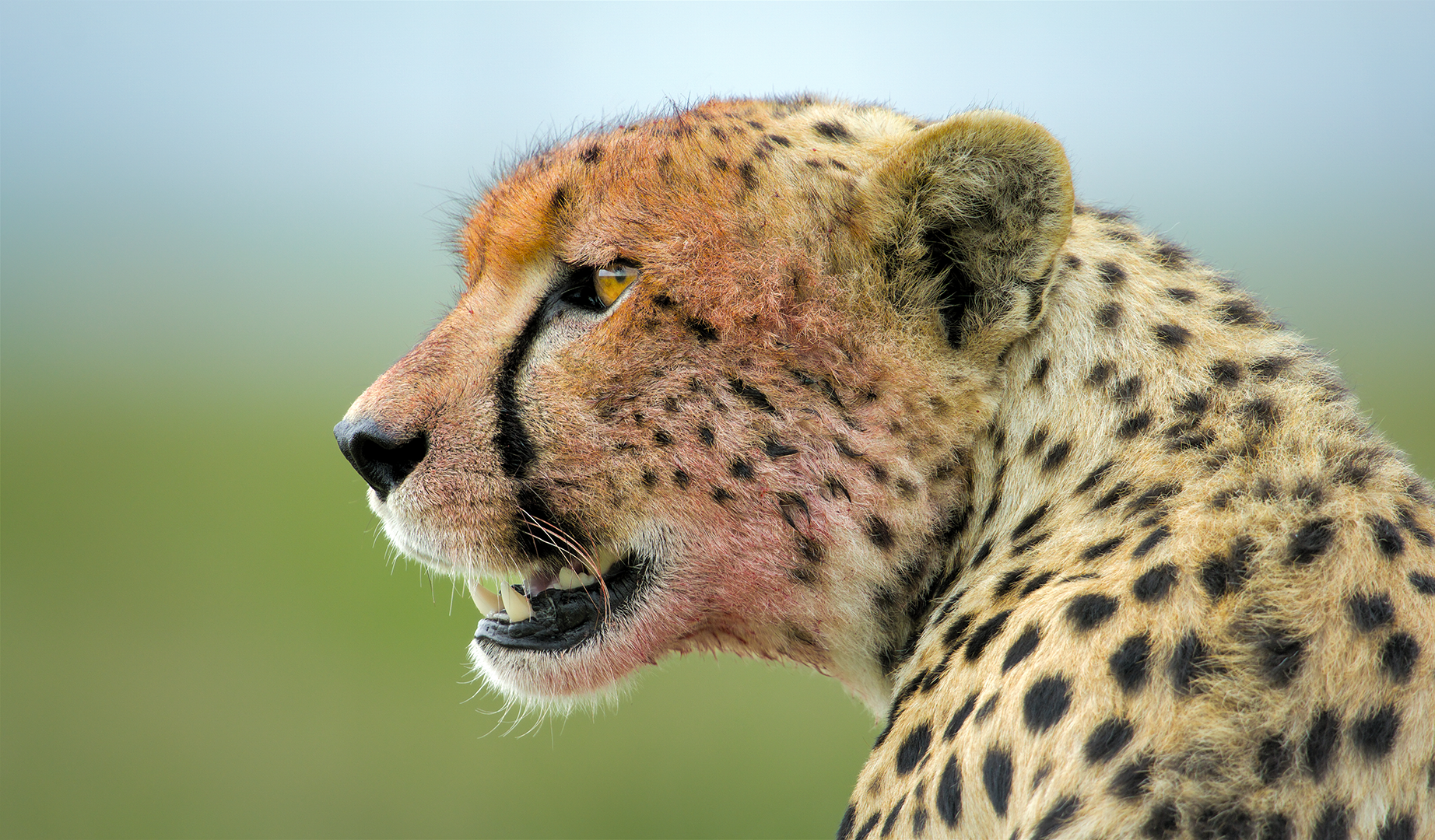
When you’re curled up on your couch watching the latest nature documentary, do you ever wonder what it takes to get up-close and personal with those wild animals? We recently caught up with cinematographer Tom Walker, who’s been doing exactly that for the past decade, and he shared some of the techniques he uses in National Geographic’s upcoming documentary, “Cheetah’s Up Close with Bertie Gregory”.
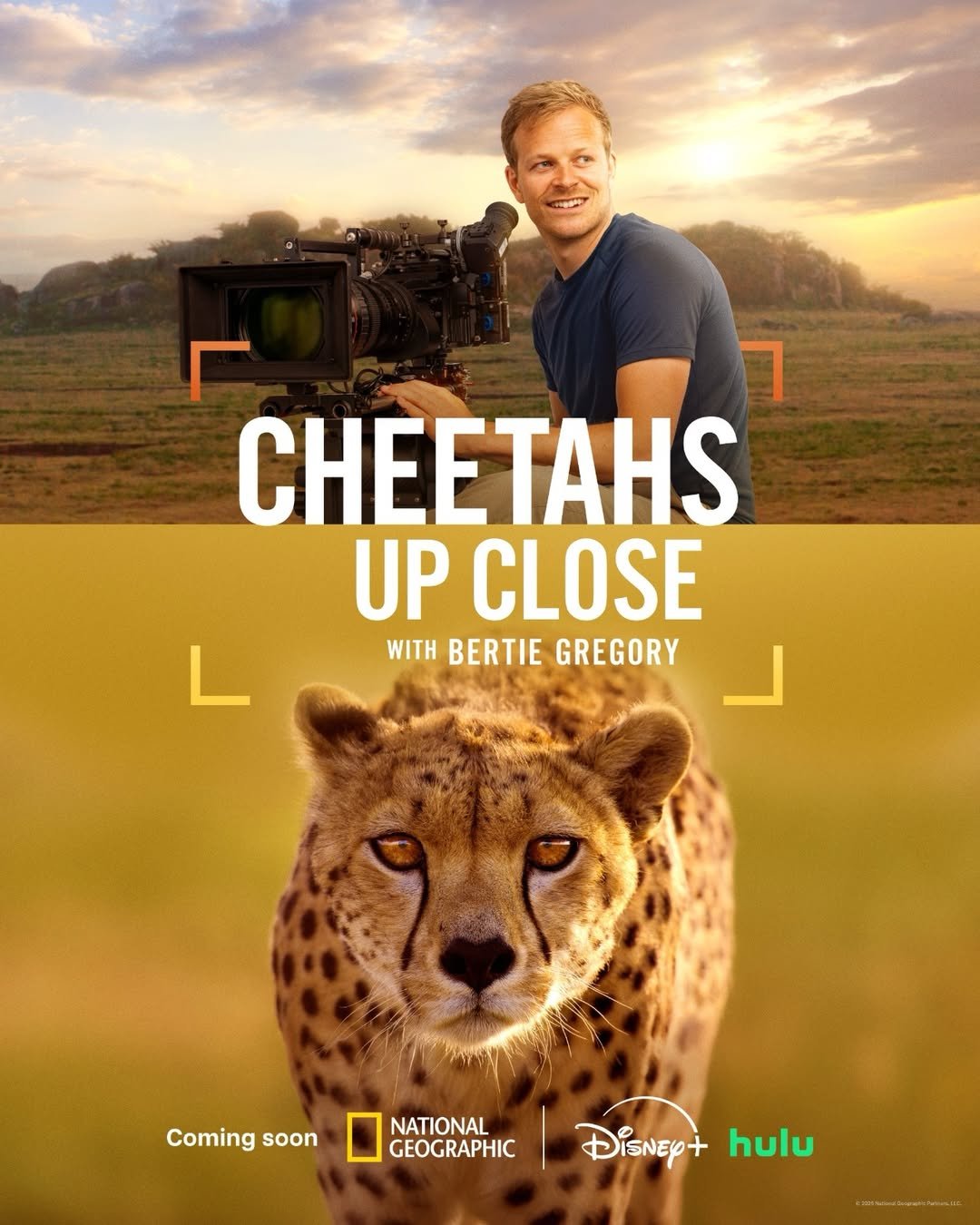
Walker has been stalking cheetahs for some time, laying groundwork for this project in a series of visits to the Serengeti over the past 10 years. Earlier this year for National Geographic, he and long-time collaborator Bertie Gregory spent 4 weeks filming cheetahs during the annual wildebeest migration; an event involving 2 million animals moving across northern Tanzania as the rainy season sets in. This provided the team with some interesting – and challenging – conditions in which to film the world’s fastest mammal.
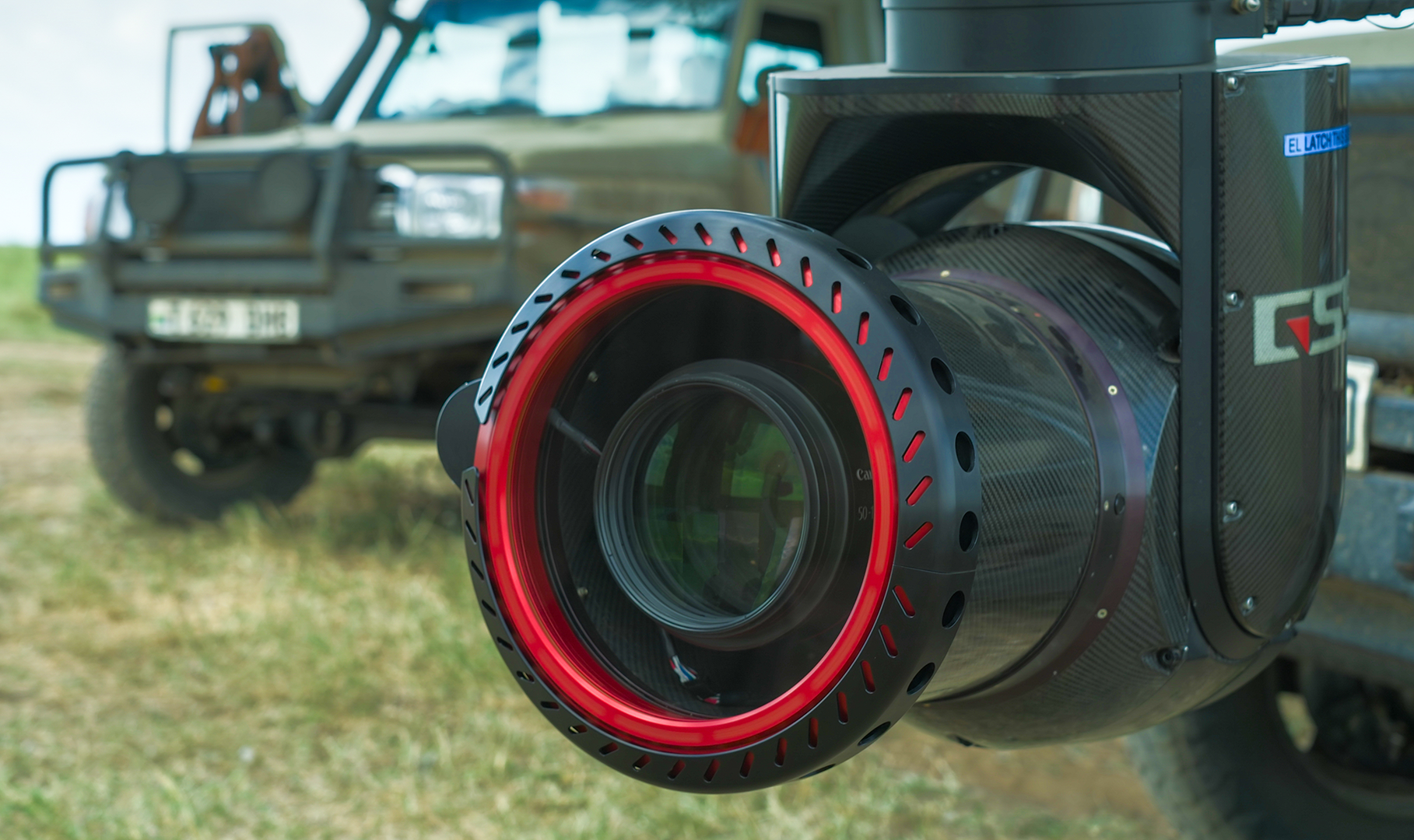
Filming was done with a combination of aerial drones and a truck-mounted GSS C512EX loaded with a RED V-RAPTOR S35 camera sporting a Canon 50-1000mm lens. This gave them overhead views to put the action into context, tracking moves that follow the chase, and the closeup shots that let viewers look into the eyes of both predator and prey.
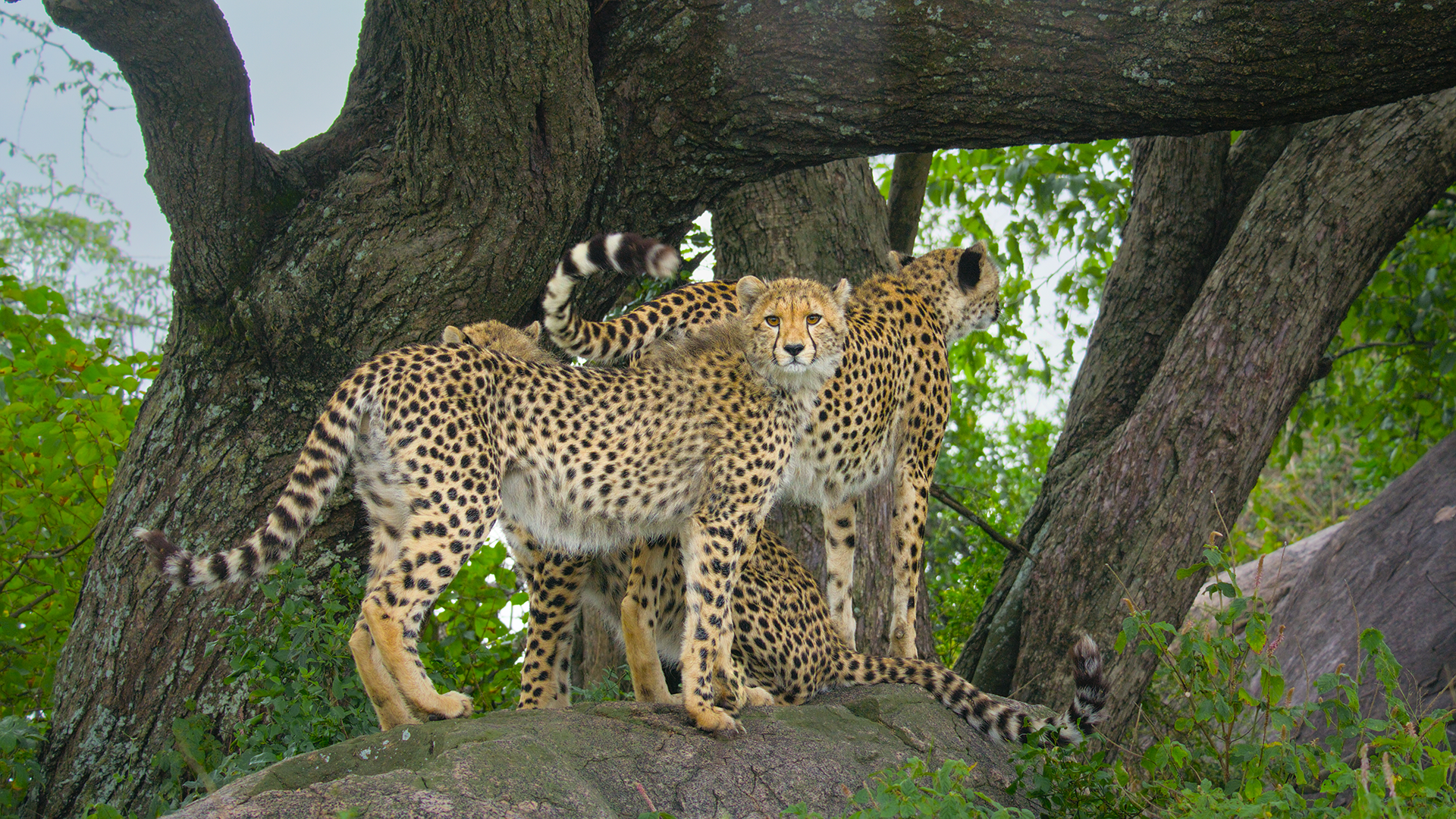
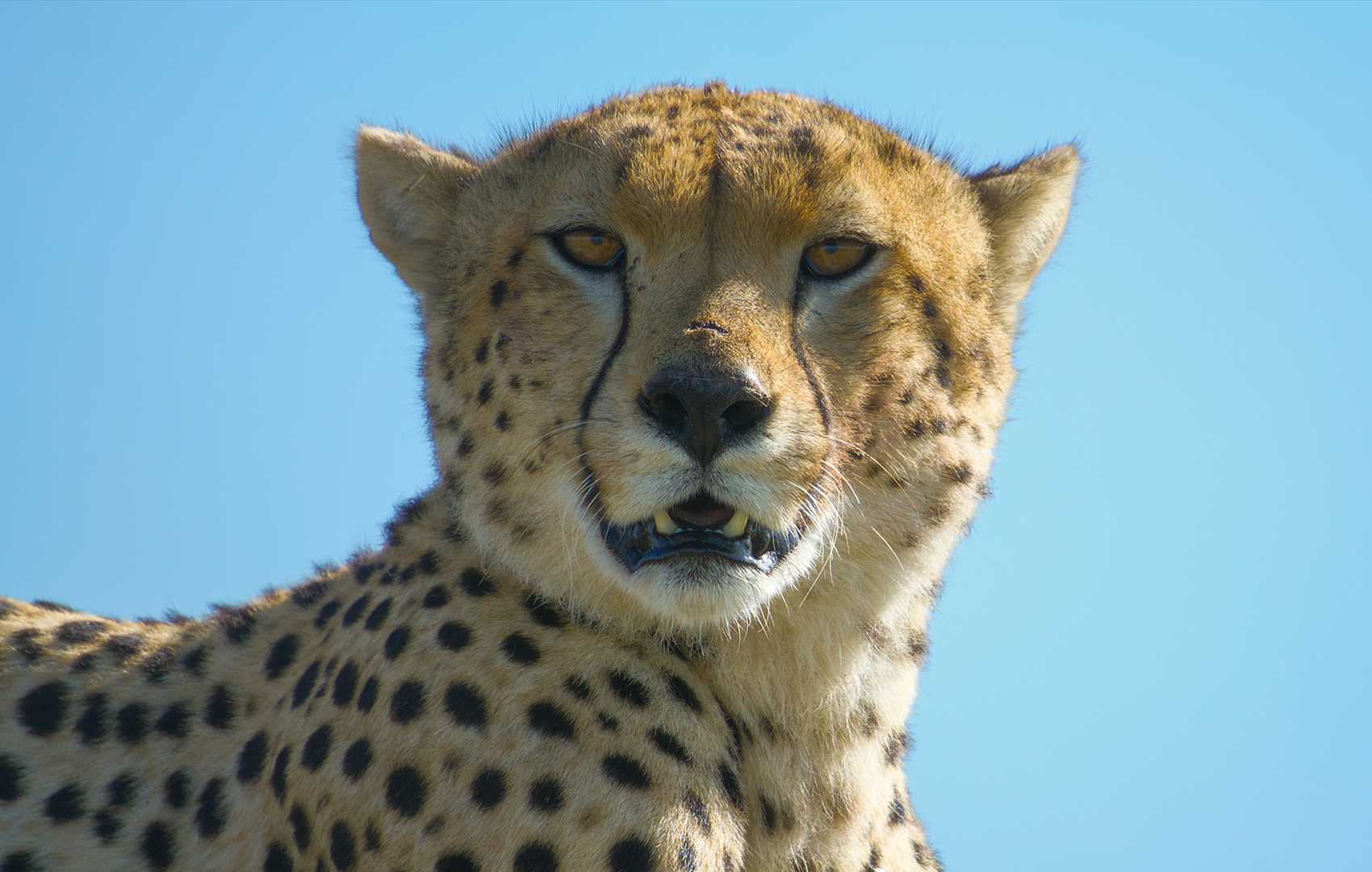
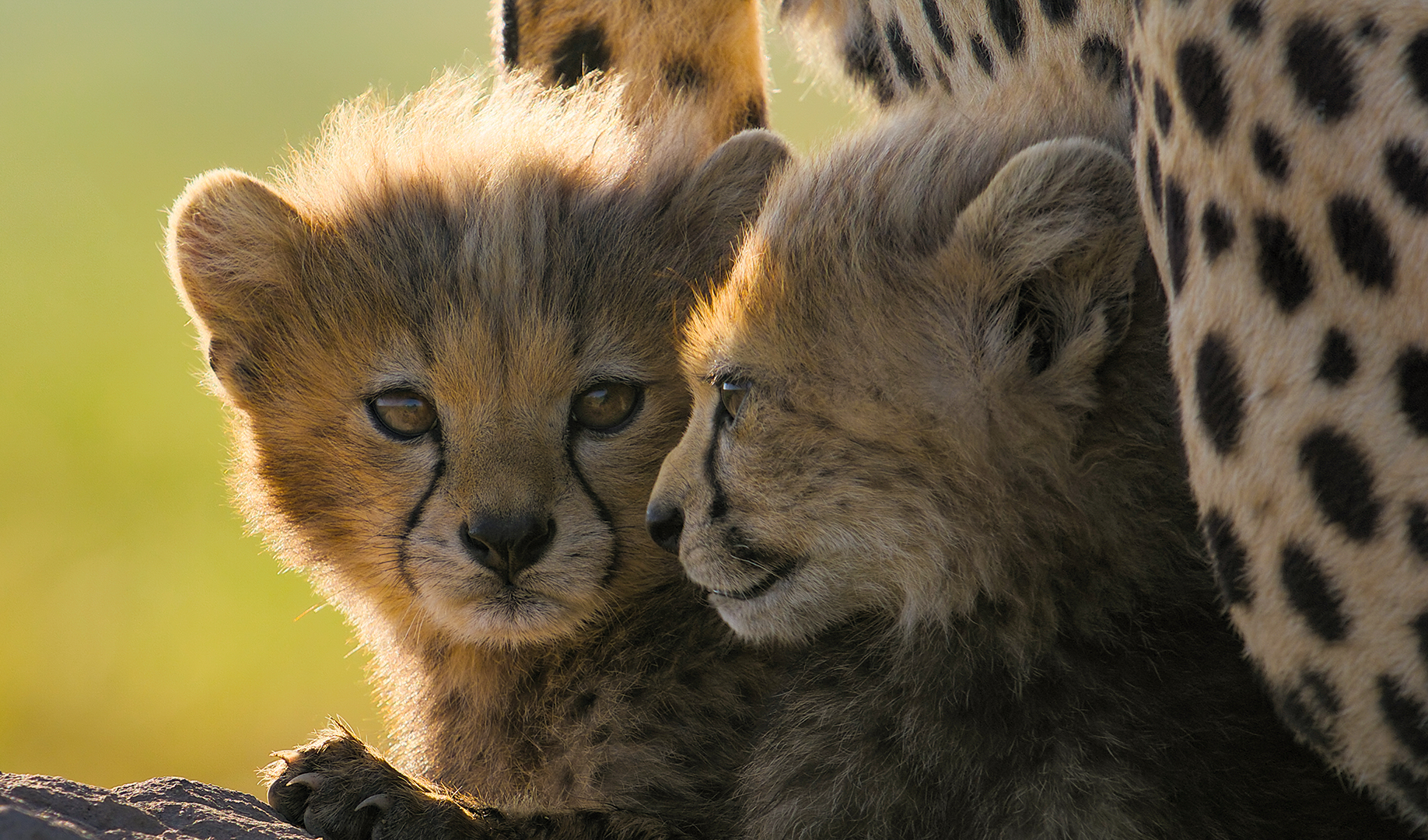
And while the finished show makes it look easy, Walker describes the ground they were working on as “aardvark holes, termite mounds, long grass, short grass, all sorts of varying terrain that you have to navigate”, as he praised the efforts of his driver and guide, Denis Mollel. “He brings so much to the table in terms of reading the animals, finding the animals, and then, obviously, driving. So, it’s very intuitive between the two of us. There’s not a lot of communication needed when it’s really go-time”.

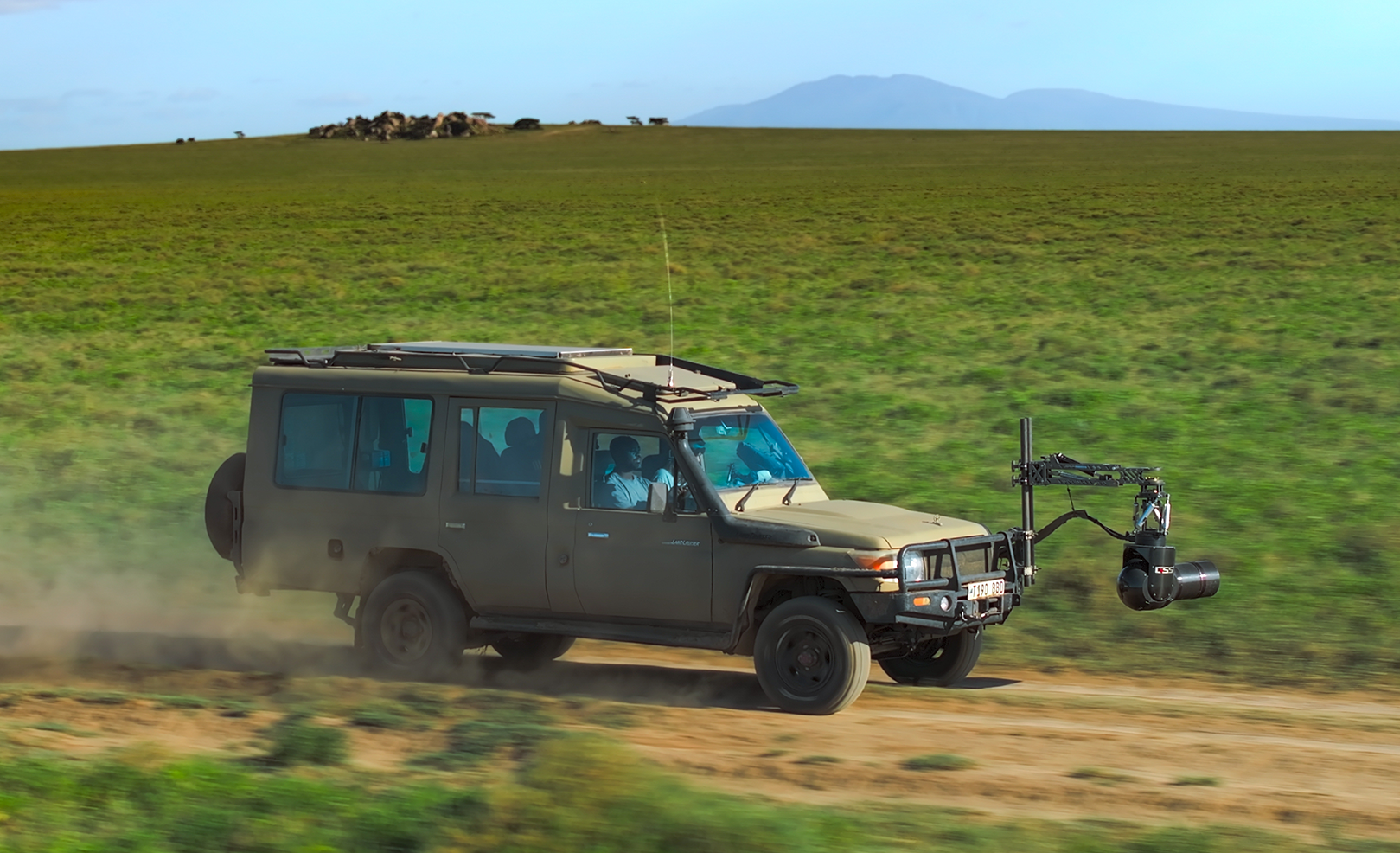
As one might expect, the choreography between driver and shooter is essential when shooting such a fast-moving subject. “When you’re tracking a subject, that acceleration has to be absolutely in time with the pan. When you’re working with an animal as fast as a cheetah, split-second reactions between the two of us have to all come together, so it’s a big challenge.”
A key part of meeting that challenge is the precise control and always-ready stabilization delivered by the GSS C512EX gimbal. “GSS is the primary tool I will always try to use for these kinds of subjects. As a tool for a start-to-finish sequence, it’s without a doubt a game-changer," says Walker. “Using the system as a tracking tool and as a stationary remote head allows you to accumulate a lot of angles quickly, it's just incomparable in that sense. It allows for stories to be shot in a more immersive way for the viewer"
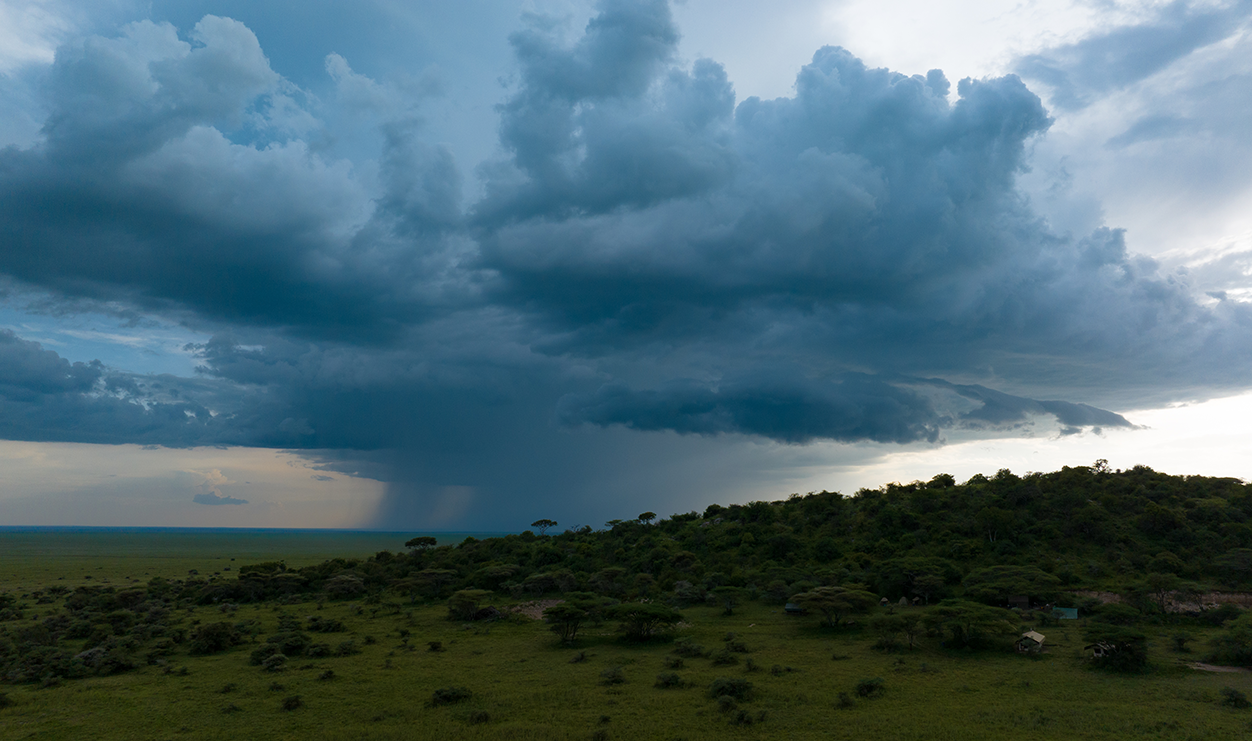
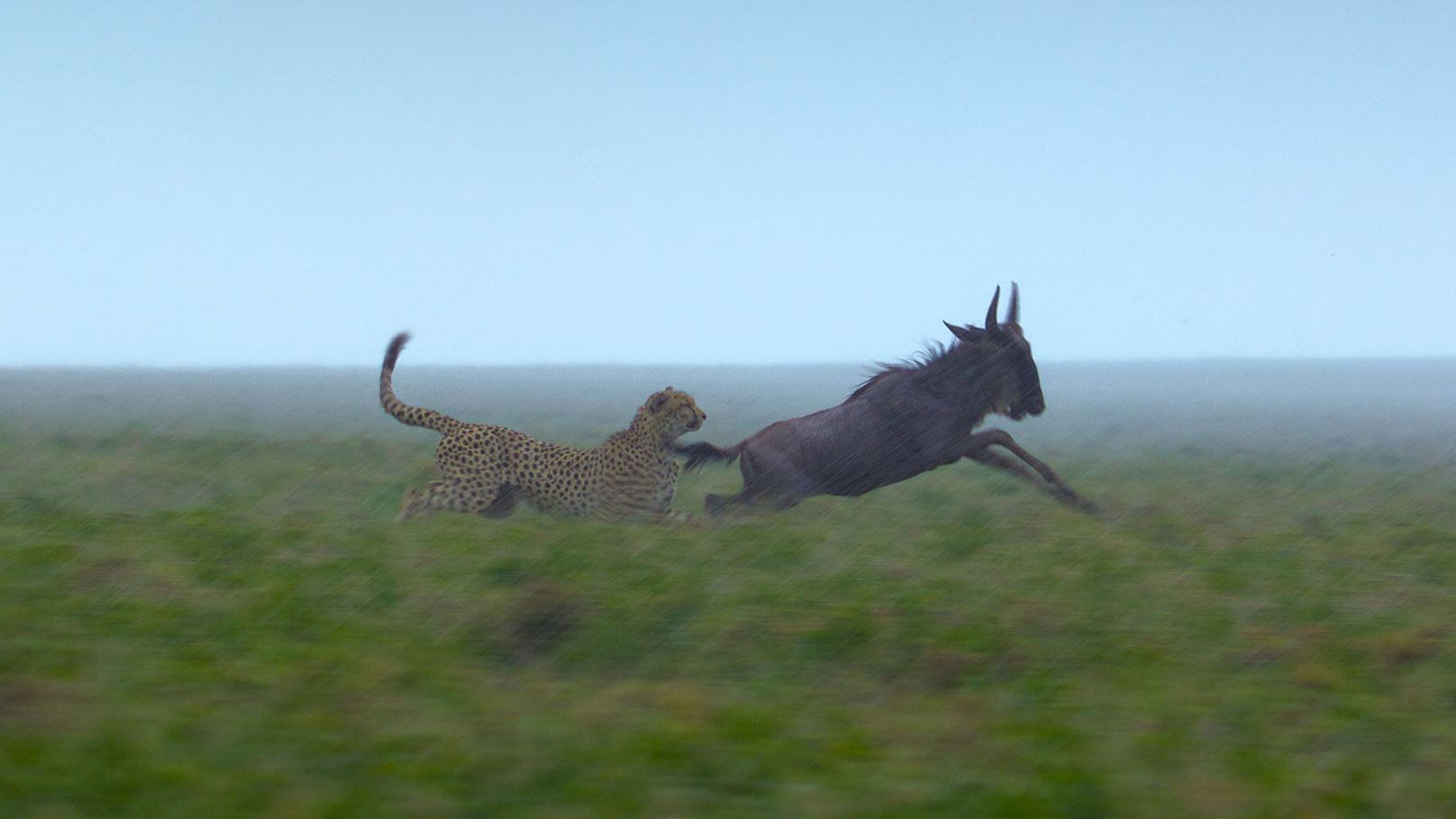
And Walker’s previous trips to the Serengeti had shown him another theme he was determined to pursue in this film: the drama intrinsic to the seasonal thunderstorms. “Cheetahs haven’t been filmed hunting properly in the rain with a GSS before, and I knew this could be a key part of the film. It’s all dark and moody, but normally you can’t film in it. You’ve got to cover all the systems up and wait for it to stop.”
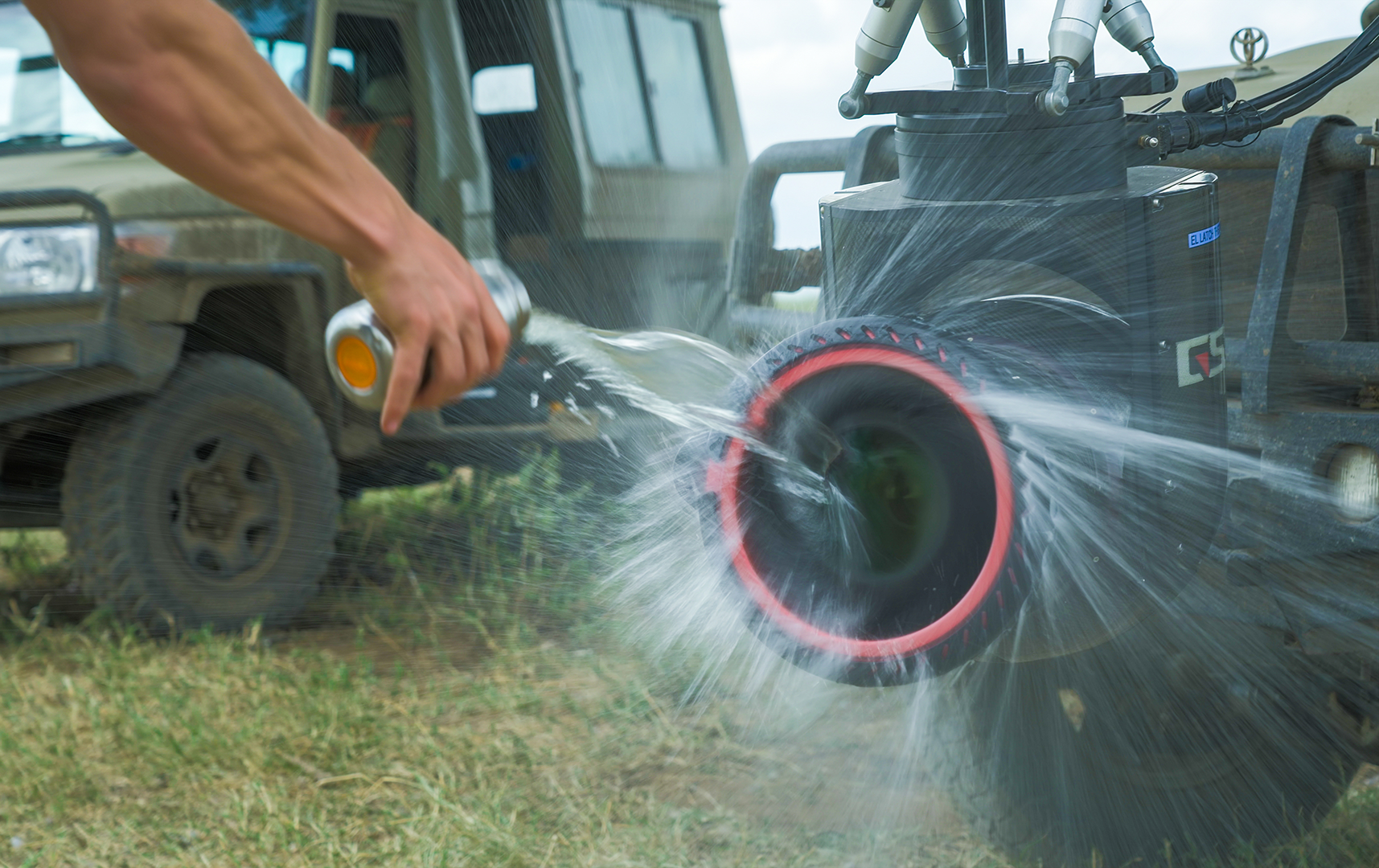
But for this shoot, they came prepared with the GSS Rain Deflector, to keep the lens clear and the camera rolling. “With rain, the cheetah’s hunting behavior changes a lot. Most of the herd will turn their backs to the rain because it’s more comfortable, so the cheetah will just approach from the blind side. It opens the door to new behaviors, and images that look tonally very different, with that dramatic sky and the dramatic impact of the rain.”
Ultimately, Wallker appreciated the opportunity to learn more about cheetahs and also to share a glimpse of his own life with audiences. “We explore the different cheetah’s approaches to life; the males, the females, the mums with cubs, the coalitions... they all have their own story to tell. And Nat Geo are great at putting this kind of series together because it allows people to get a much greater insight into a species, Also, what it's like for us to do the job. Because it’s got the whole behind-the-scenes element, it shows you what a team effort it is to go and capture something like this.”
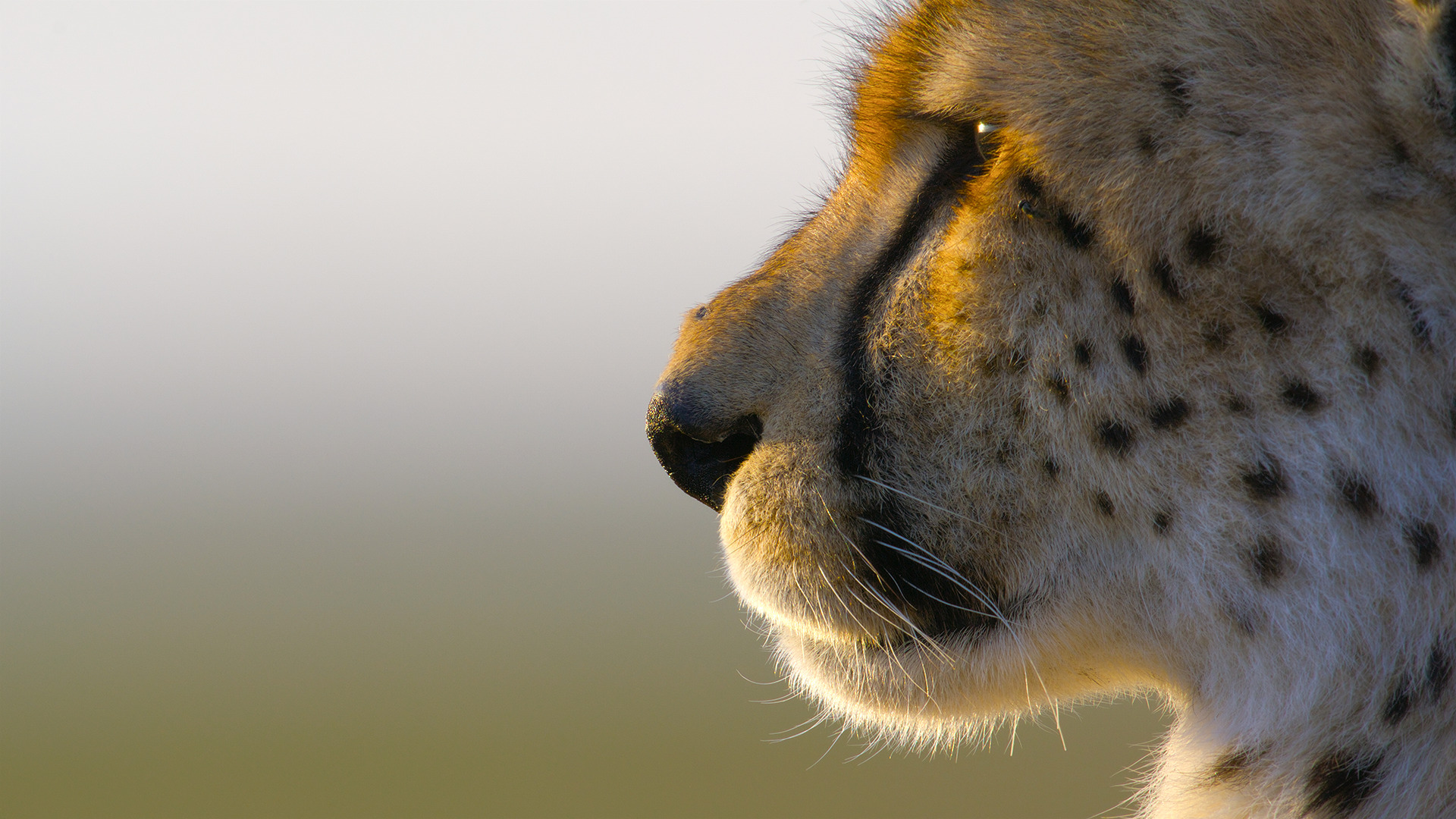
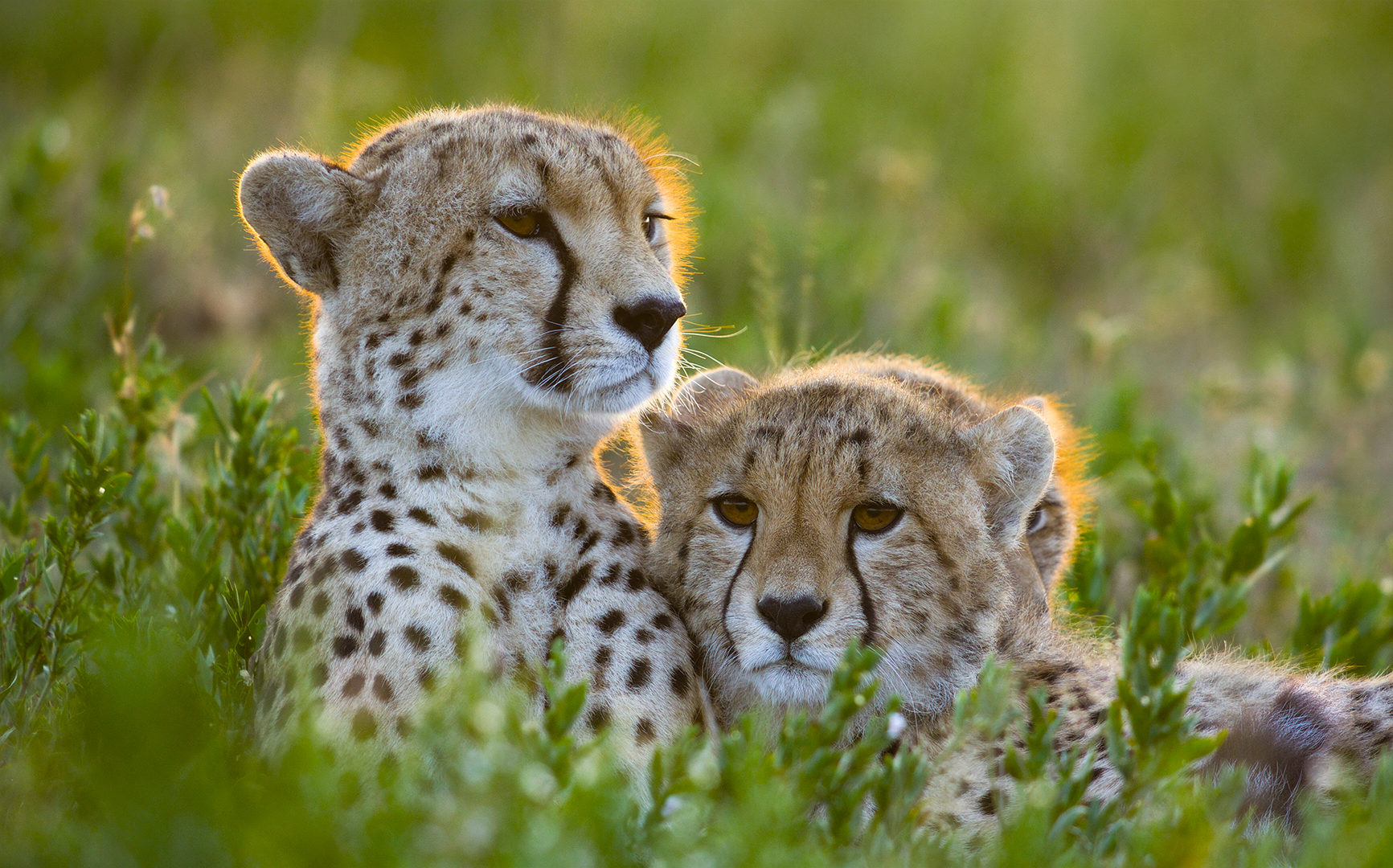
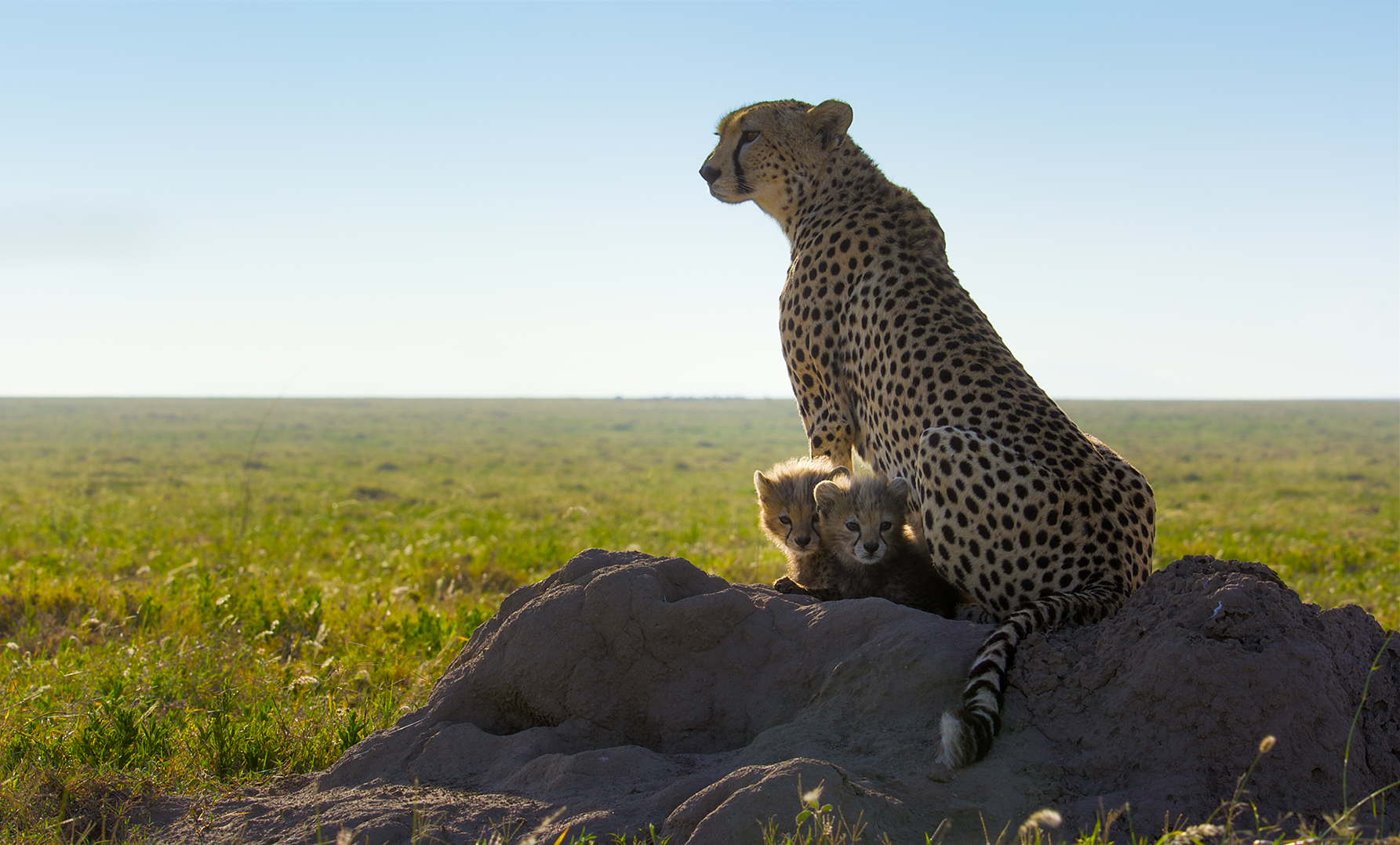
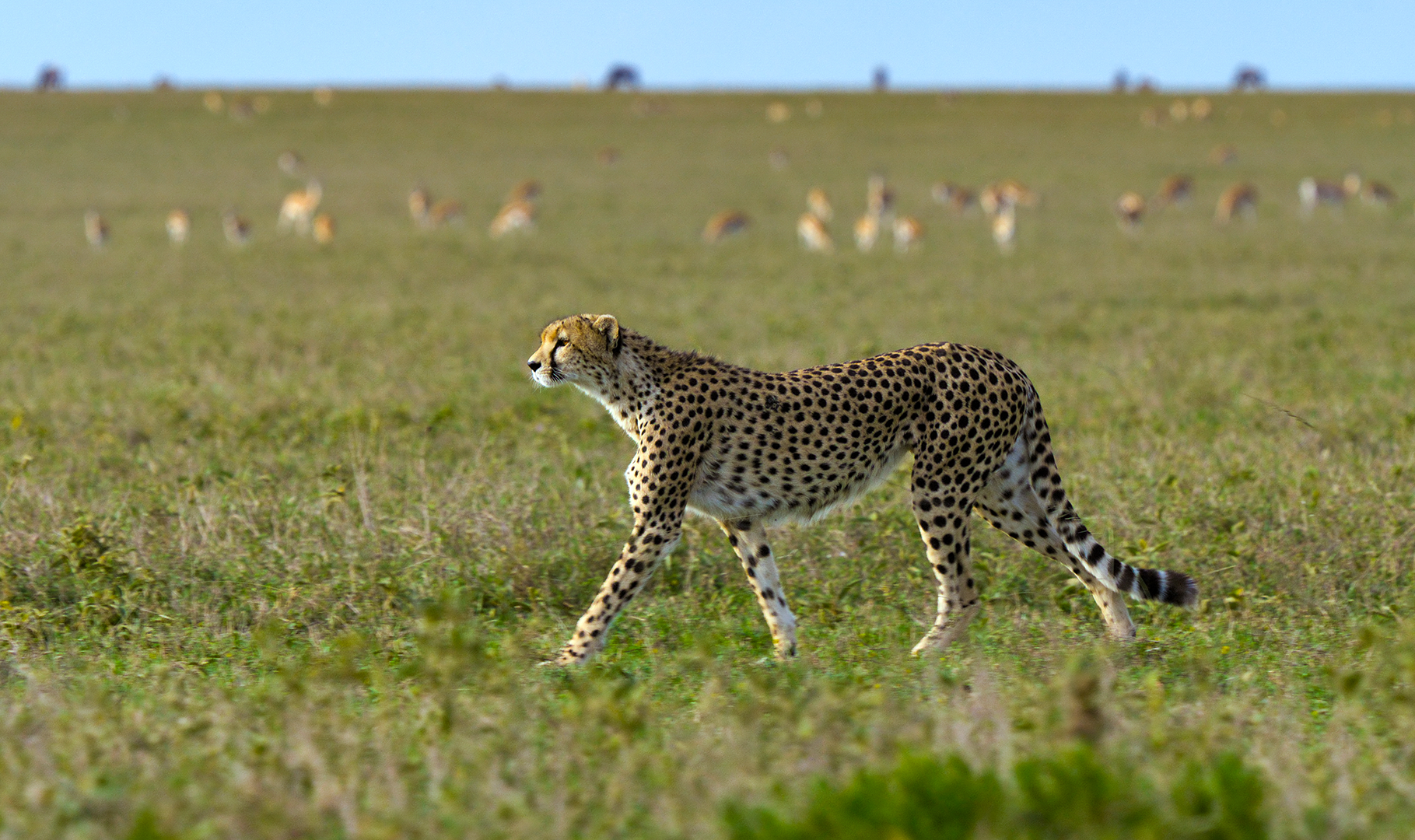
“Cheetahs - Up Close” premieres Jan. 1 on National Geographic and streams Jan. 2 on Disney+ and Hulu.
Tom Walker is a multi-Emmy, Bafta & RTS winning cinematographer from Somerset, UK, and predominantly works on wildlife series and feature films for the BBC Natural History Unit, BBC Studios, Disney, Netflix and National Geographic. Learn more at tomwalkerphotography.co.uk
Check out the interview with Tom Walker here:

Cold Collaborative redefines the race documentary with GSS.
When Shannon Vandivier of Cold Collaborative plans a complex shoot, his tool of choice is the GSS aerial camera gimbal.
Calling the shots from the air, he’s redefining the race documentary with the “Call of a Life Time” series, bringing cinematic storytelling to rapid content cycles through innovative shooting and editing techniques . You’ll hear firsthand how he sees the world through a Canon 50-1000mm lens and delivers the story faster with a little help from his friends at GSS.
Cold Collaborative Films is known for documentary and sports films that constantly push creative boundaries through cinematic style, camera movement, and innovative storytelling techniques. We caught up with director Shannon Vandivier at the 2025 NAB show where he and editor Blake Campbell were talking about their recent film series sponsored by Mazda, titled “Call of a Lifetime”.


“Call of a Lifetime” documents the Lifetime Grand Prix, a series of off-road bicycle races across the US that bring elite bike racers together to compete in some of the most challenging off-road races out there. As there was a lot of buzz about these events in the racing world, event sponsor Mazda asked the Cold Collaborative team to turn their race films around in 48 hours to ride that enthusiasm.
“To a client that seems like a small ask, given that many sports events get broadcast live”, said Vandivier, “but from our perspective this was a massive shift due to the style of coverage we had planned. Our core premise was around building connections with the athletes and weaving the stories around their personal struggles as the race develops, rather than simply reporting the facts as they happened, so tightening the deadline forced us to re-think our methods in a big way.”


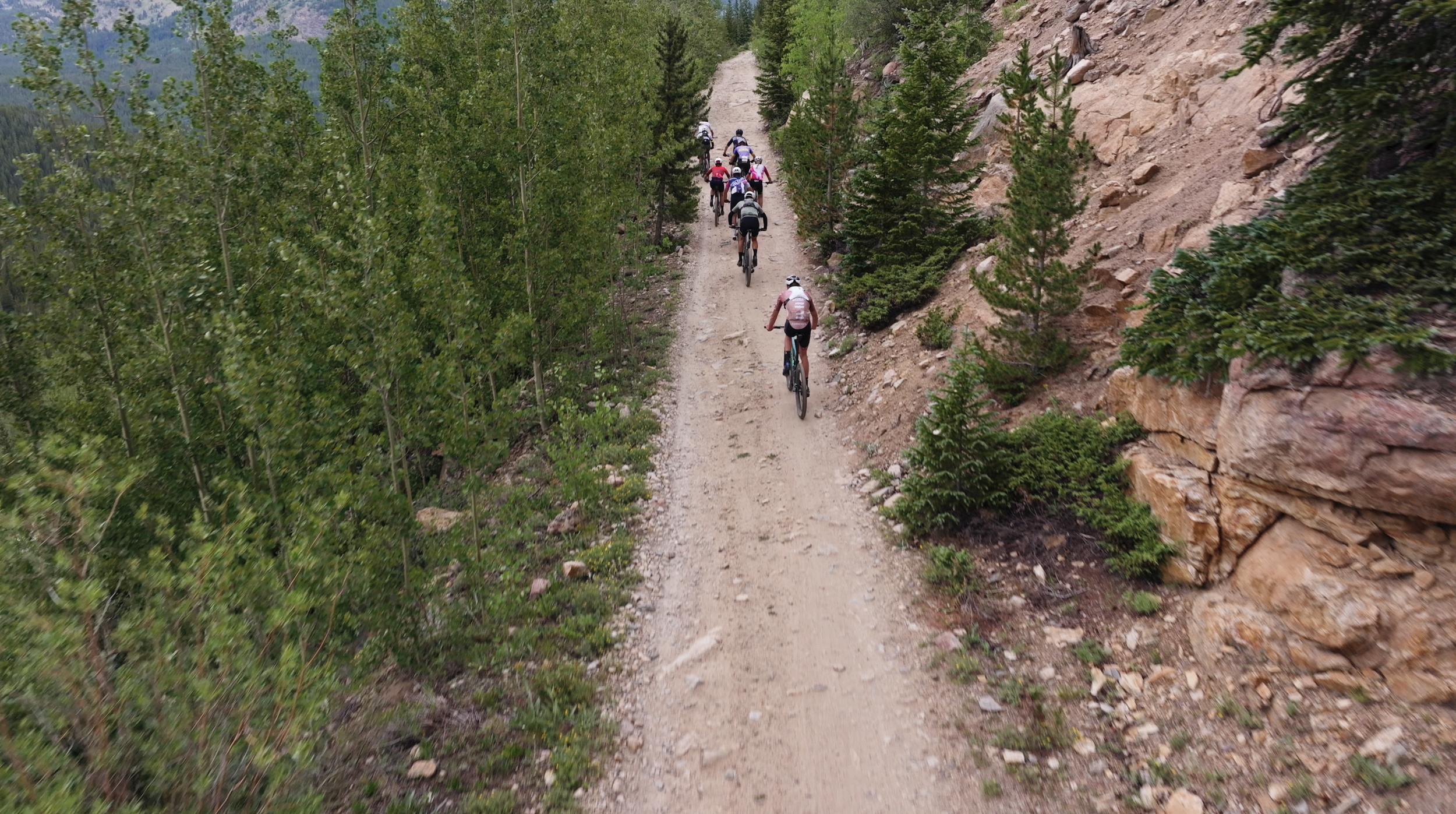

Fortunately, one of Cold Collaborative’s favorite cinematography tools is the GSS C512 gimbal mounted on a AS360 Eurocopter, which provides a dynamic overhead view of the race, not only delivering great shots but also acting as a visual platform for tracking a constantly shifting race field.
In talking with editor Blake Campbell, Vandivier realized that the overhead view could provide an end-to-end editorial thread for assembling the story, so he took his announcers in the helicopter with him as he directed the show from the air. By providing Campbell with this narrated overhead view of the race, they were able to sync all the other various angles to this master perspective and start the editorial process with start-to-finish multi-track race coverage.


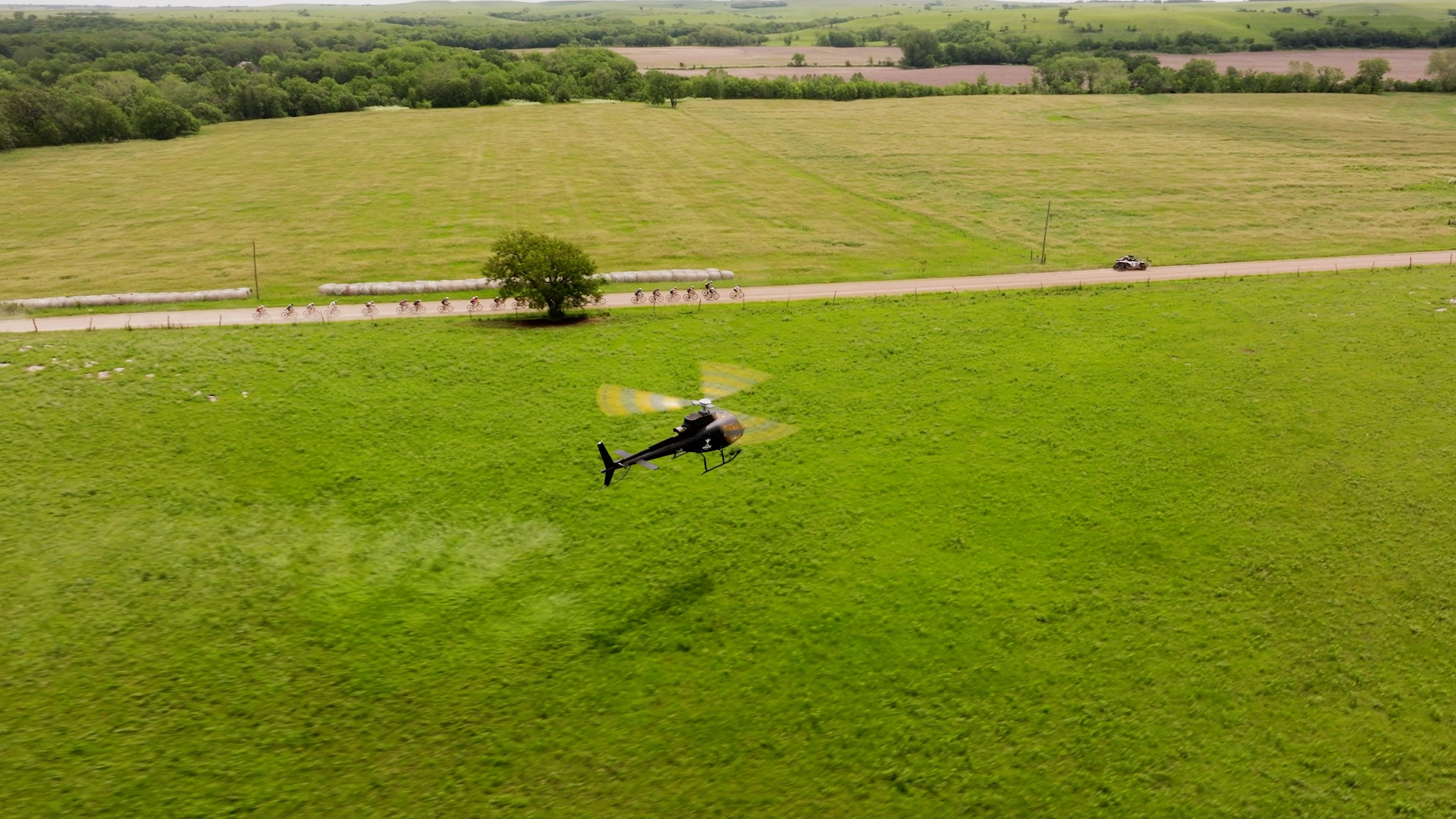


The resulting films feels like they are covering the race in real time, but the secret sauce is Vandivier's interviews with the individual athletes, filmed in the days surrounding the event, which go deep into the challenges and heartbreaks they experience on race day.
“For a cross-country event like this, the only real way to see the whole race is from the air”, said Vandivier. With these races covering 80 to 200 miles in a day, connecting all of the ground-based cameras into a control room was prohibitively expensive, but by following the action from above – and seeing it in detail via a stabilized Canon CN20 50-1000mm lens – Vandivier could effectively direct his team and weave the story together on the fly in collaboration with his narrators.
“Call of a Lifetime” is available on the Life Time Grand Prix YouTube channel and Cold Collaborative can be found at www.coldcollaborative.com Check out our interview with Shannon Vandivier below:
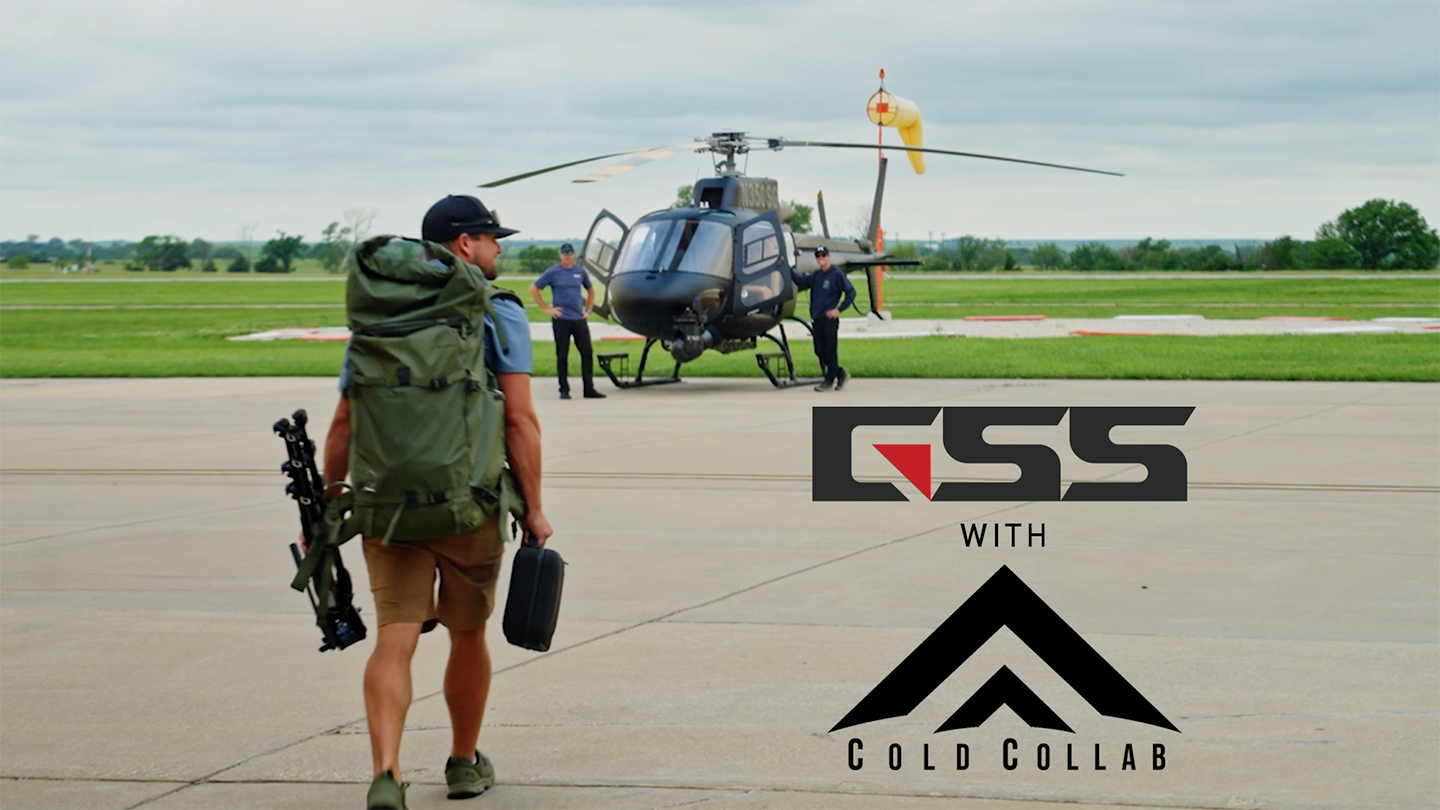
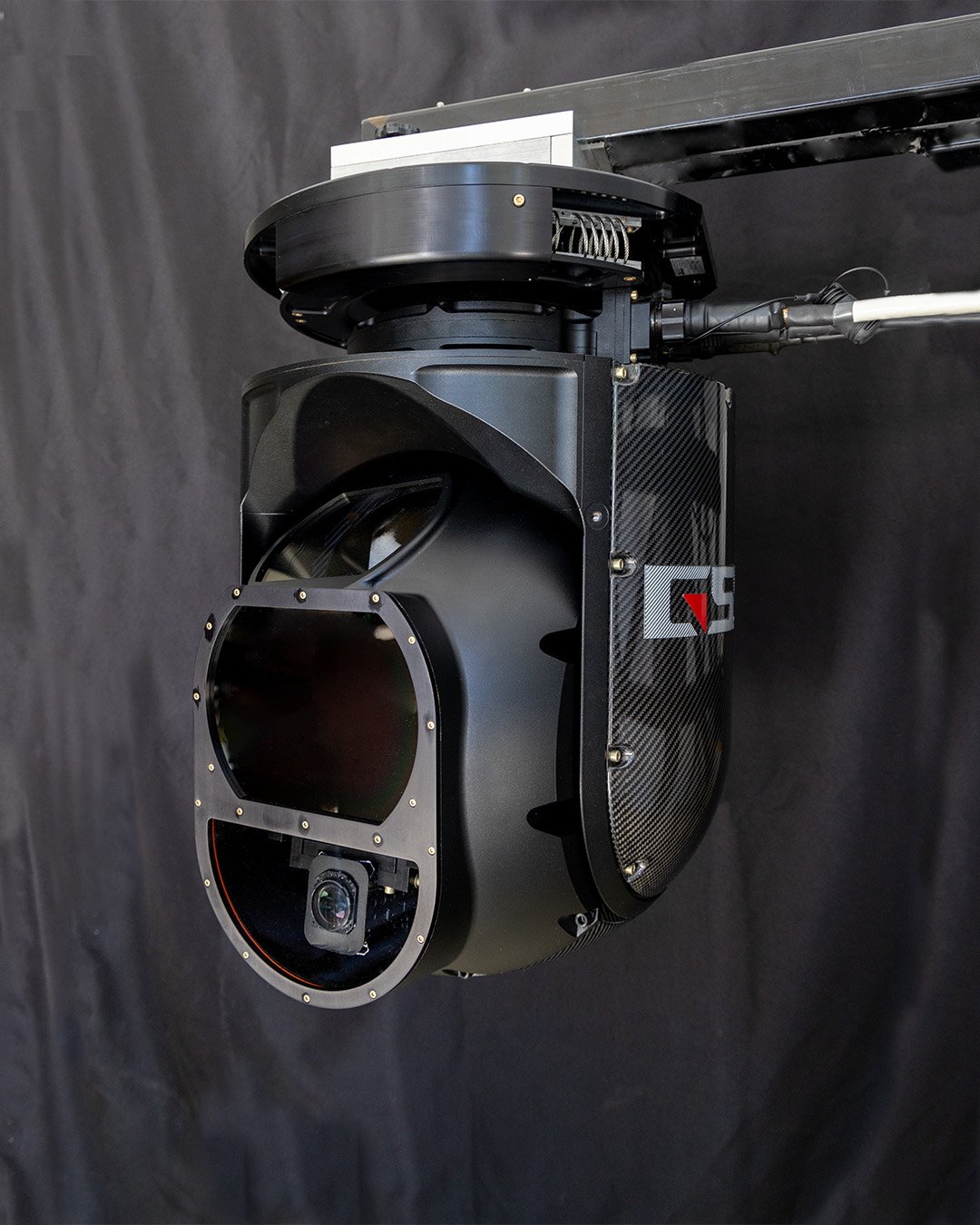
How Gyro-Stabilized Systems Delivers Innovative Gimbal Design Solutions: If It Fits, We Can Stabilize It.
In the ever-evolving world of gimbal and drone technology, finding a trusted partner committed to innovative design, precision, rock-solid stability and clear, reliable communication can feel like looking for a needle in a haystack. At Gyro-Stabilized Systems (GSS), we understand that the demands of both commercial and military markets require not just cutting-edge technology but also listening to project goals, aligning with the vision and ultimately creating an end product that exceeds expectations. We specialize in turning your vision into reality!


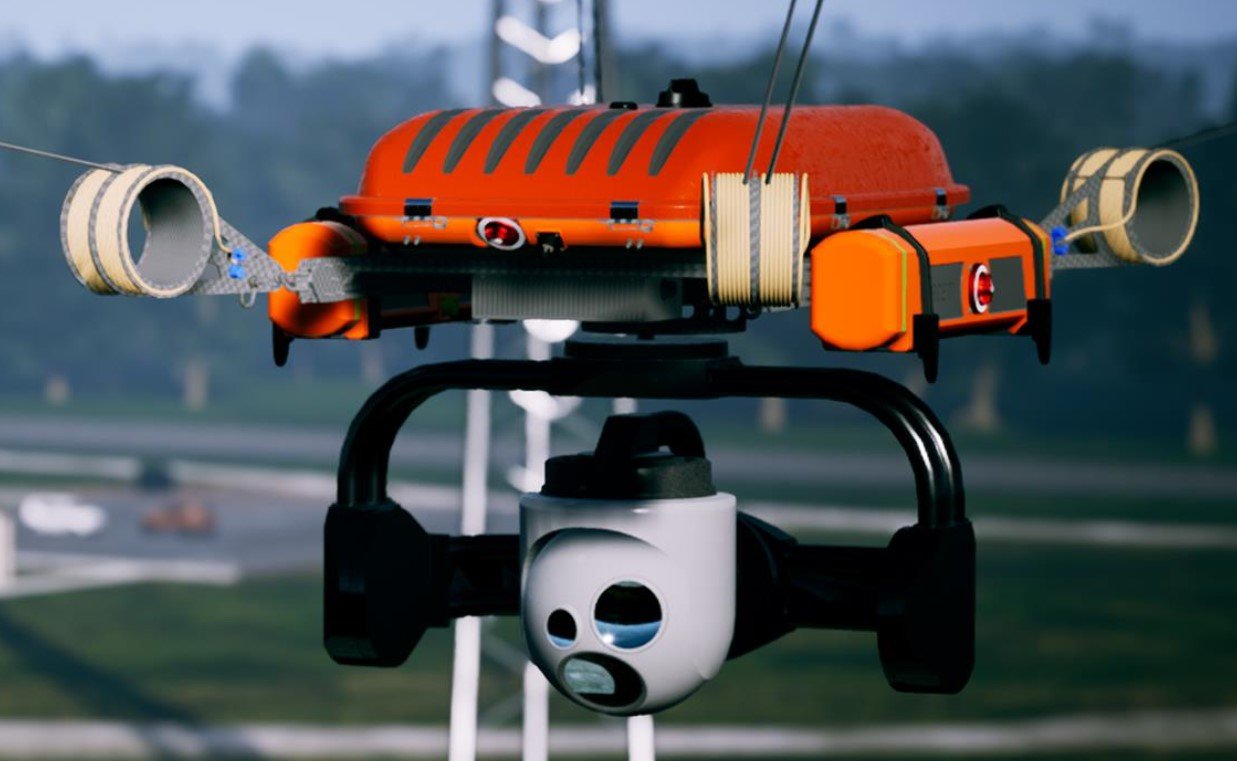

Our Process is Simple
Our unique custom design process typically starts with a 3D model or a .STEP file. With your 3D model and electrical requirements, we will come up with a design. (It’s typically that easy.)
what we need to know
Stabilization Requirements: What is the level of stabilization needed based on the application?
Sensor Type and Specifications: This includes weight and size, resolution, sensitivity and field of view.
Sensor Control: What do you want the sensor to do? What are the communication protocols and data outputs?
Environmental Conditions: Will this operate in extreme temperatures, humidity or rain? What are the speed requirements for vibration and shock?
Mount Requirements: What will this be mounted to? We specialize in land, sea and air applications. We also create devices accessible for all three.
Cutting-Edge Technology for Every Application
At GSS, we pride ourselves on our ability to integrate a wide range of technologies into our gimbal systems. We specialize in incorporating Medium Wave Infrared (MDWIR) cameras, low-light sensors, Infrared (IR) cameras, and Optical Gas Imaging (OGI) technology into our platforms. This versatile approach allows us to create systems tailored to a wide variety of missions, whether they require capturing detailed images in complete darkness or detecting minute changes in temperature.
Our approach is collaborative from the start. We begin by understanding the unique challenges of your project, then leverage our extensive experience and cutting-edge technology to design a system that’s perfectly suited to your needs. The result is a gimbal solution that offers unparalleled stability, precision, and performance.
Ready to elevate your vision? Contact Gyro-Stabilized Systems today and discover how our innovative gimbal design services can help you achieve your mission goals with confidence.
Learn more at https://gyrostabilizedsystems.com/gss-design-services.

Gimbal Technology meets VFX in Groundbreaking Series Life on Our Planet
Once in a great while, a cinematic achievement comes along that transcends the limits of our imagination and introduces a new edge of possibility by integrating technology and creativity. In the Netflix series, Life on Our Planet, this is precisely what happens when the cinematographic experience is entrusted to the creative brilliance of documentary filmmaker, Jamie McPherson.
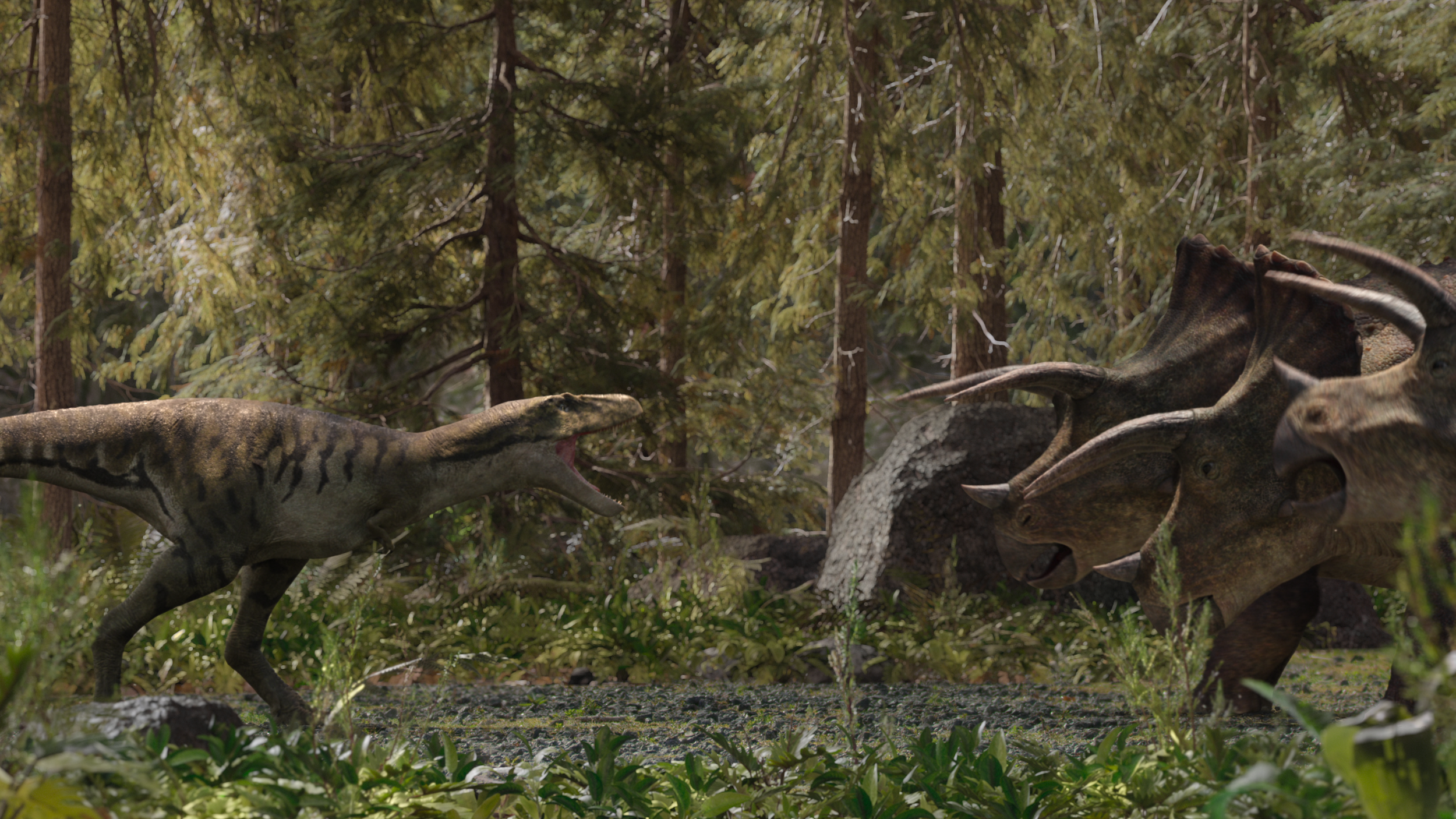
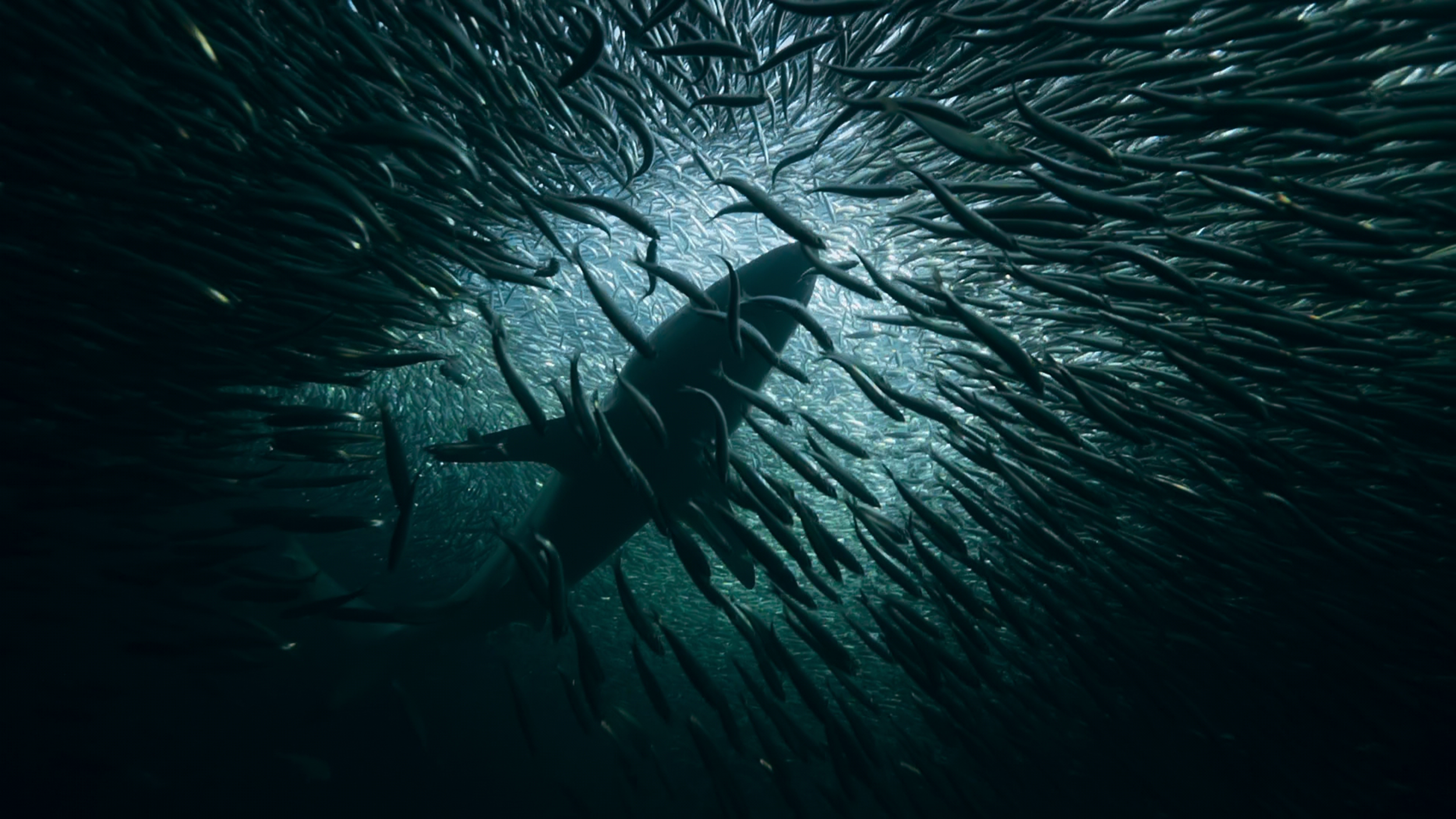
Executive-produced by Steven Spielberg and narrated by Morgan Freeman, the series focuses on the evolutionary history of complex life on earth using the latest technology and science to bring long extinct creatures back to life. The series is a blend of VFX creatures and natural history footage. The VFX creatures were placed in real landscapes to make them feel as believable as possible.

Diplodocus graze by a lake.

A herd of mammoths move across the frozen tundra.

A Sinoraptor stalks an unsuspecting Anchiornis.
For those who have seen this moving docu-series, you may wonder how on earth they interwove the mystery, beauty and perspective of the creatures and their surroundings into such a stylish and dramatic story. According to McPherson, part of the magic was a combination of the stability of the GSS Cinema Mini 512EX when paired with the long lens capabilities of the Canon 50-1000.
“The system gave me huge freedom to create worlds and make the VFX creatures really feel like they inhabited the worlds we created. We were able to use very wide lenses to capture the amazing landscapes with complete stability and freedom to put the camera pretty much anywhere I needed to.”
In filming the series, McPherson used the GSS Cinema Mini 512EX to create VFX sequences with a distinct cinematic style to construct the worlds the creatures inhabited and immerse viewers into those worlds. His complete system consisted of the GSS Cinema Mini 512EX, RED Helium and Canon 14.5-60 and Canon 50-1000mm lenses.

Jamie McPherson on location to film Komodo dragons with the Cine-Buggy.

The GSS gimbal was attached to a crane to film the scene of anchiornis jumping to safety on cliffs in AZ.

Jamie McPherson with a real T-Rex!
During the multi-year project, McPherson mounted the system to various vehicles from 4x4’s, ATV’s, boats, cranes, dollies and even a custom-built Cine-buggy (an off-road rickshaw dolly.) He used the GSS wireless set up for both VFX and Natural History. For VFX, this allowed him to move freely in the filming area to discuss shots with the director and VFX supervisor. For natural history, the wireless system allowed him to use the Cine-Buggy to film creatures such as Komodo dragons and coatis in a way never seen before.
To maximize visual integration, the team recorded all lens and camera data with distances to subject and where the camera was in space with photogrammetry and lidar scans. These metrics were fed into the VFX workflow so the VFX creatures could be placed in the scene as accurately as possible. While this type of filming was new to most of the crew, the team walked away with invaluable experience and a new toolset. By learning innovative techniques and system integrations that create fascinating worlds, we have officially met a new frontier in cinema.
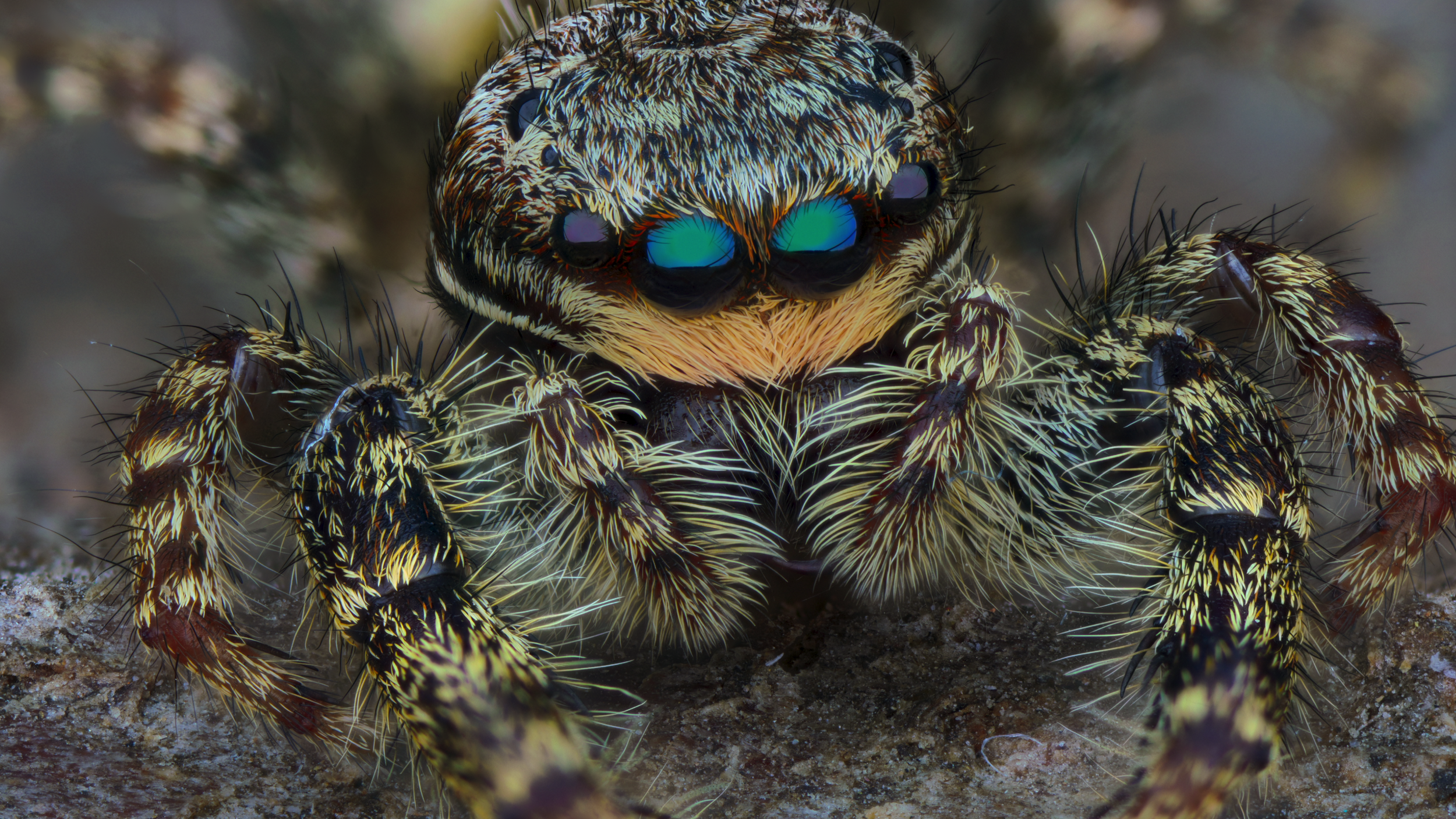
Life on Our Planet is available to stream on Netflix at https://www.netflix.com/.
Learn more about Jamie McPherson at https://www.jamiemcpherson.com/.
GSS gimbals available at https://gyrostabilizedsystems.com/.

Dispelling Common Myths about Helicopter Utility Inspection Flights
As a gimbal designer and manufacturer working with some of the most influential utility companies and helicopter inspection businesses in the world, we often hear the same misconceptions repeated over and over. Our intention is to clear up the confusion surrounding helicopter utility inspection flights and make a case for the accuracy, efficiency and advanced technology that comprises our U416 gimbal.

Capturing Utility Inspection data on flight with GSS U416: Pole 79

Pole 79 at 4X zoom.

Pole 79 at 5X zoom.

Pole 79 at 10X zoom.
Myth #1: Drones are replacing helicopters for utility inspection.
Au contraire, mon frere. The most advanced professional inspection methods conducted by highly reputable utility providers include a combination of helicopters and drones. Each technology has a unique role in the collection and processing of an immense set of data. With technological advancement of cameras and sensors, the birds-eye swoop provided by a helicopter with the right technology can pinpoint where further assessment is needed.
Myth #2: It’s too expensive.
Flying at higher altitude means you can capture data with faster flight speeds covering miles and miles of powerlines in a very short time. The camera technology has advanced to a degree of resolution that enables most AI post processing programs to quickly identify issues and direct attention to the exact geo-tagged spot where the problem was identified. Covering vast distance in one flight can save thousands of dollars while providing a wealth of data on the coverage area. From this angle, you can’t afford not to.
Myth #3: Autonomous gimbal operation doesn’t exist.
Yes and no. Technology has changed the game on this one. While the gimbals are not fully autonomous (yet), there are autonomous features that greatly assist the user experience. The combination of the GSS GeoPro™ providing spot-on inertial navigation with the ability to overlay data sets in the form of KML files creates a simple and smooth flight for both the operator and the pilot. While highly autonomous, an operator is needed to oversee the process and make occasional adjustments to ensure KML overlays are matched with the object and every unique asset is accurately captured and recorded. The end result is highly accurate, geo-tagged, mission-critical information captured effectively and efficiently.
Other features include auto-slew in which the cameras and sensors automatically advance from pole to pole capturing images on each including HD video, 4K high resolution stills, IR images and either Corona or OGI images. All this information in one flight delivered machine-learning ready for AI downstream processing. It’s that simple.
GSS U416 for Power line and Pipe line inspection, Gas Leak Detection and more.
For more information on the GSS U416 and inspection gimbals, click here.
Augmented Reality Maps Now Available
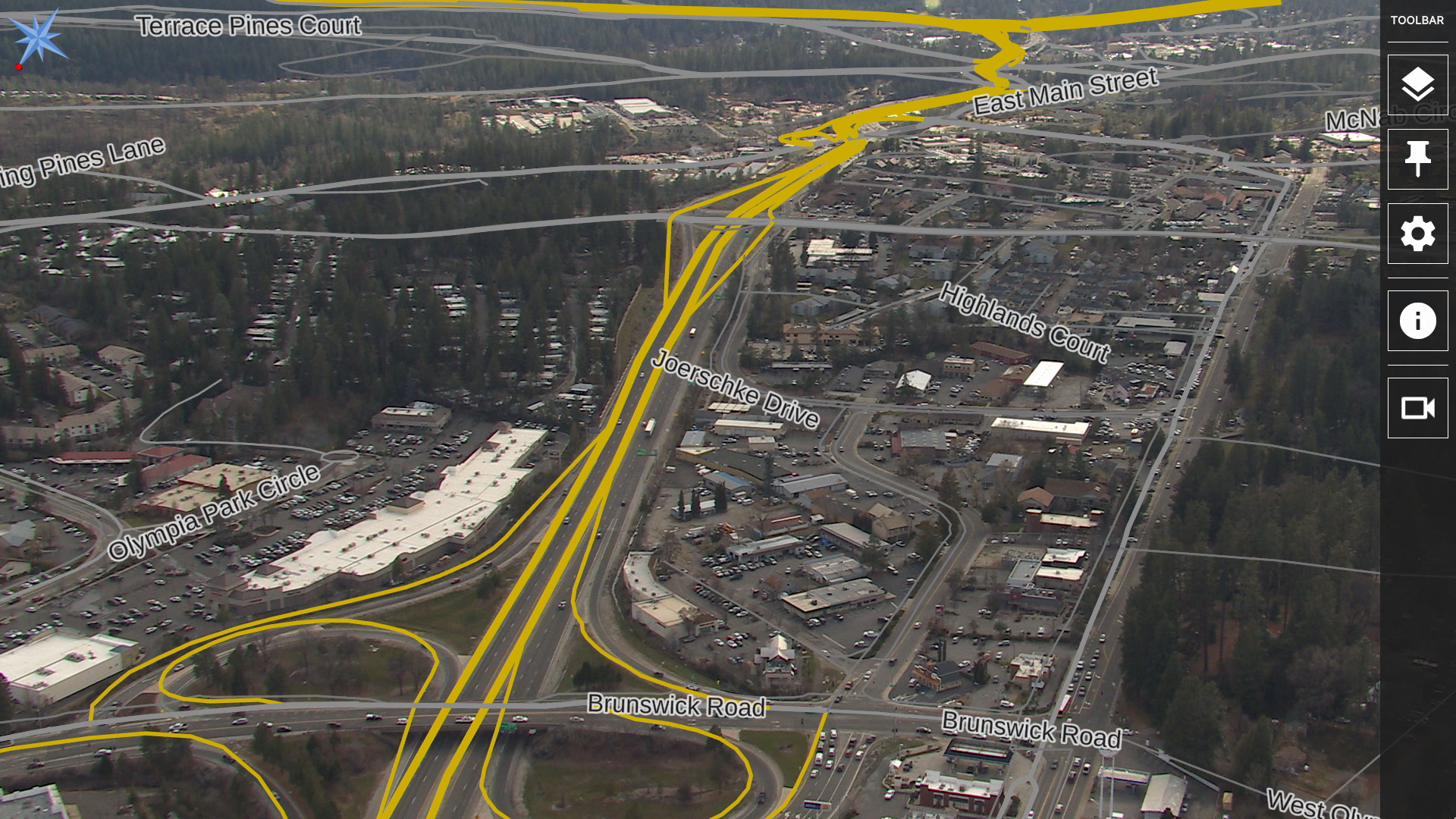
Gyro-Stabilized Systems is pleased to introduce GSS Moving Maps – an augmented reality mapping tool that allows for seamless integration into GSS gimbals embedding clarity, accuracy, and versatility into every mission. The complete system allows for situational awareness, expert tracking, and predictive analysis - all from an aerial perspective.
Purpose-built for the Electronic News Gathering (ENG) market, the system includes:
Uncompressed video output
A simple touch-screen interface
Upgradeable video cards as added features become available
According to Michael Lewis, GSS Lead Software Engineer, “We created a mapping tool in response to market needs. Our system is easy-to-use, customizable and allows for uncompressed video output. We are excited to offer this integration to the ENG market.”
For more information on integrating this software into your GSS system, please visit the Moving Maps web page.
Critical Components to Utility Inspection Flights
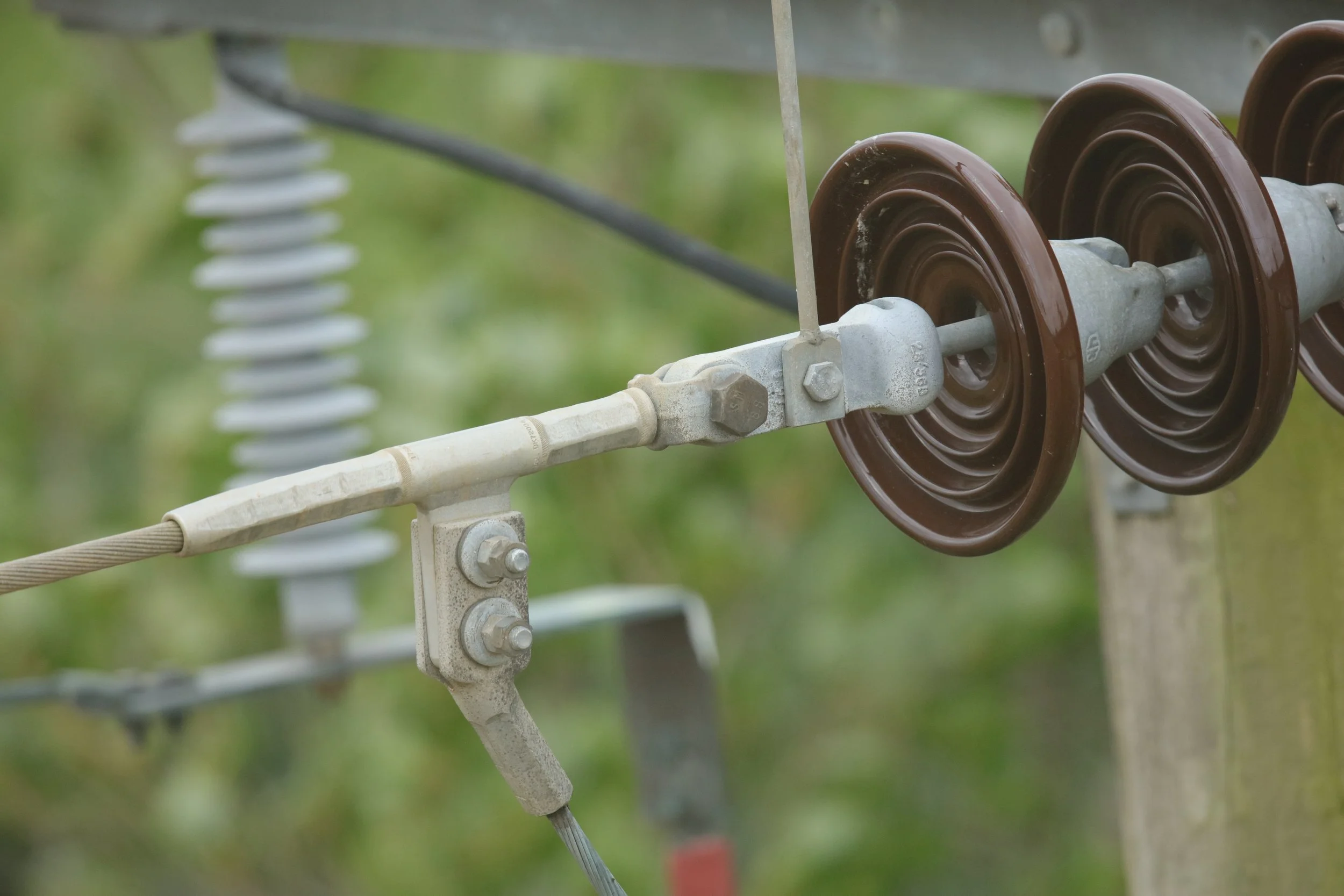
Through the process of launching our Utility gimbal series, we have learned so much about what is critical to a successful inspection mission including the precision, flexibility and sensors needed. We know maximizing air time is paramount and securing specific, usable footage will make or break the investment spent in time and resources.
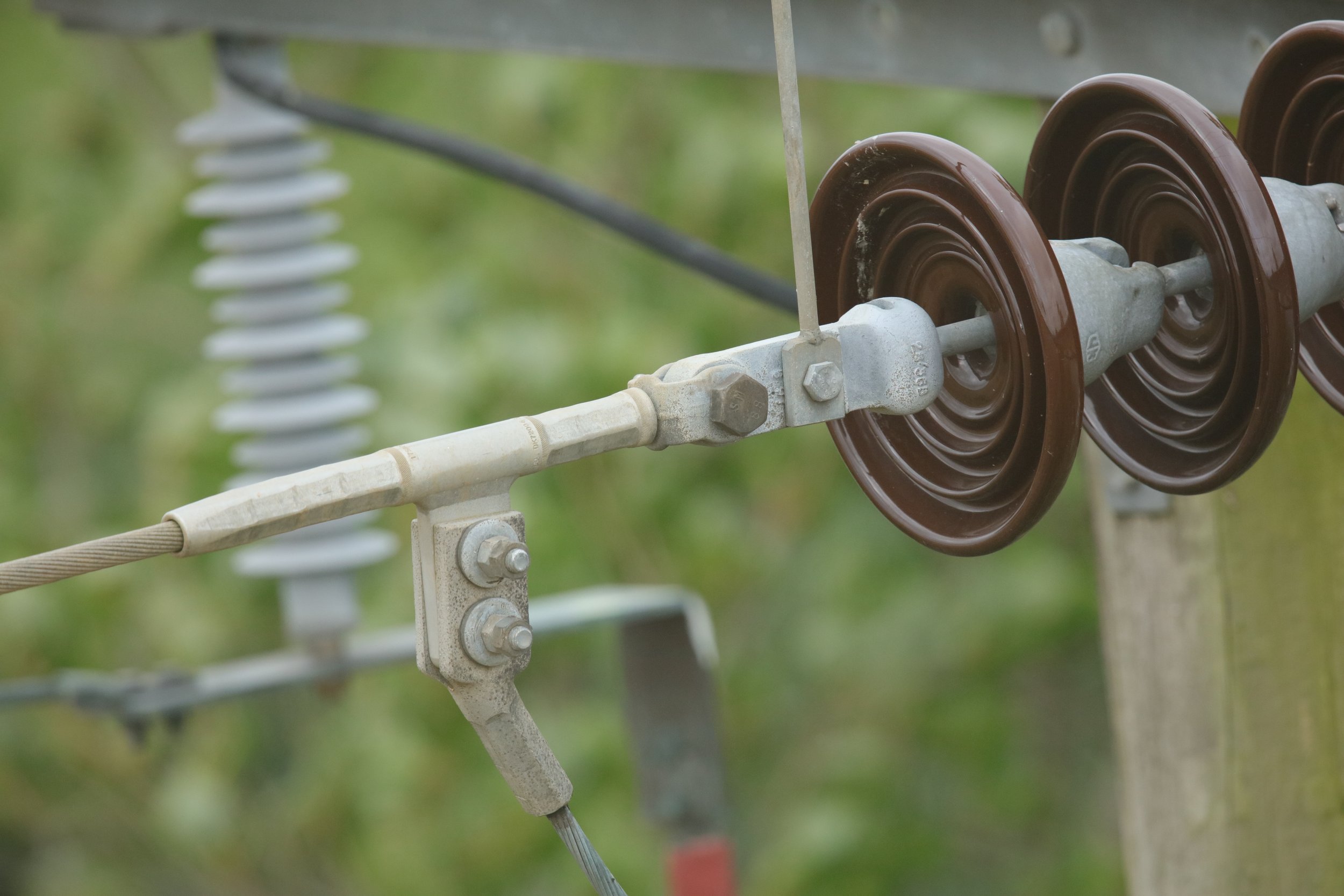
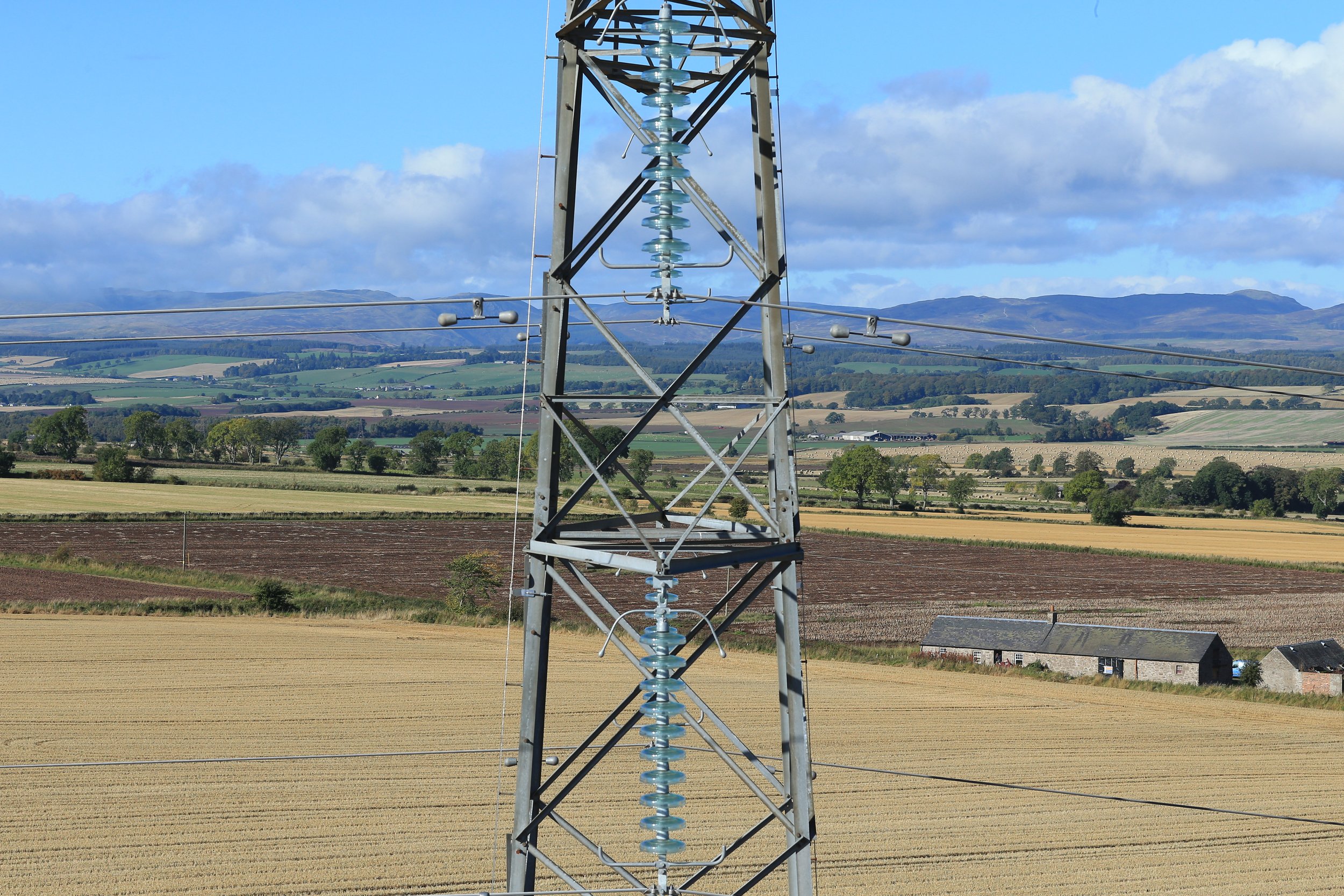
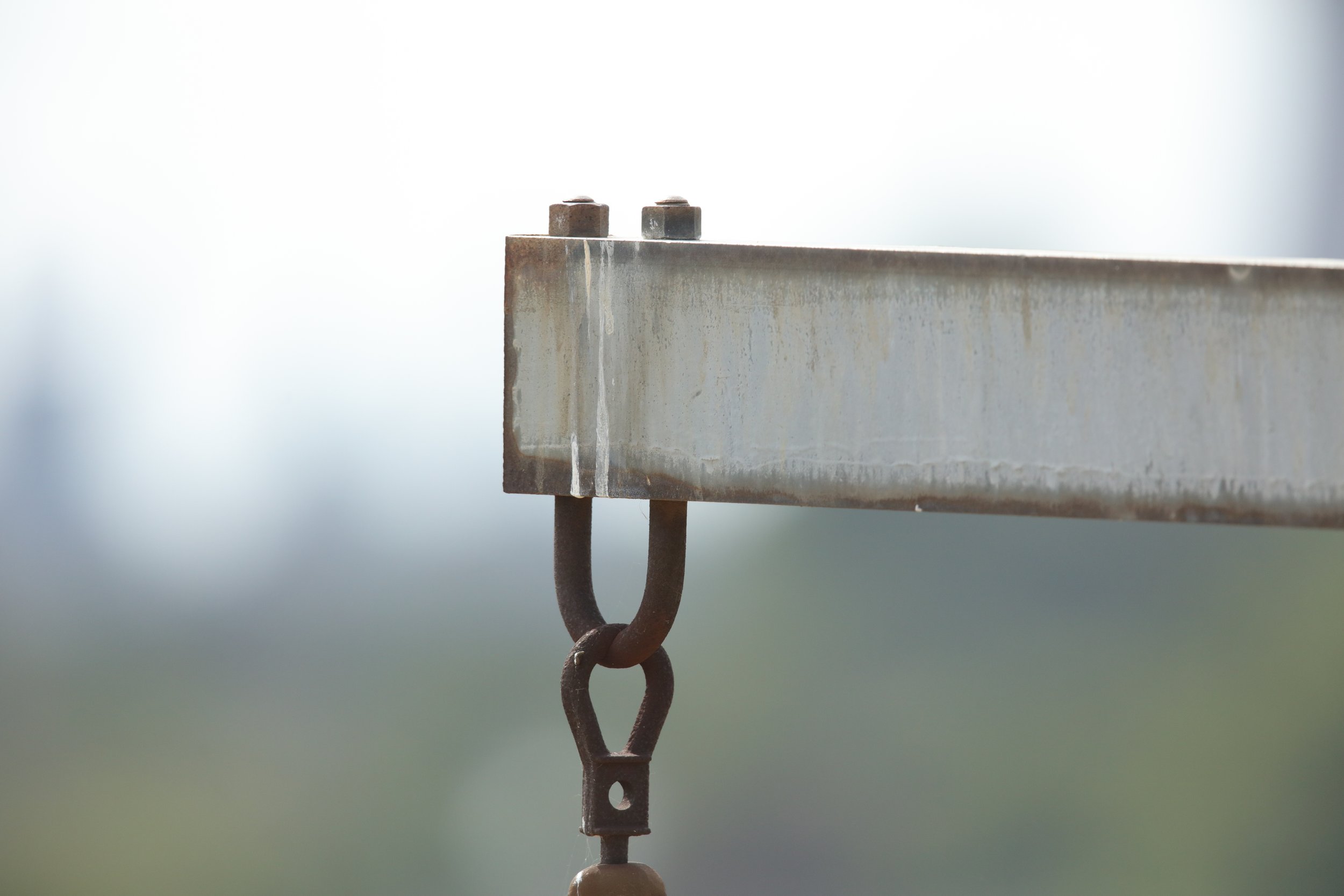
Here is our guide to making the most of every moment on an inspection flight.
Ensure every photo is in focus resulting in precise imagery. Focused images are essential to the success of every mission, and it’s surprising how often this doesn’t happen. Camera quality and stability equally impact focus. We found a 102 mp Sensor with 140-280 mm lens and a resolution of 102 million pixels provides consistent, high quality digital stills. Just as important is a good auto focus engine. Autofocus speed and accuracy are critical to nail perfect focus on your desired subject using highly accurate phase detection pixels across approximately 100% of the frame.
Be able to fly at low altitude and high altitude without losing quality. Having flexibility during flight to reach higher altitudes and faster speeds can economize the mission – and you don’t have to sacrifice quality. 500-1000 feet AGL inspection capable using long zooms, while keep the resolution necessary for detailed inspection analysis
Video: With an HD/4K daylight camera, our system offers 20x optical zoom so the same high-quality imagery can be obtained with losing quality. This alone will maximize the efficiency of every mission. Get wide angle 4K video recorded and use for retracing the steps of your inspection.
Stills: The ability to get the close in shots of the insulator, or the full transmission or distribution pole shots at 102MP, gives you the ability to use the GSS U416 for multiple types of inspection work.
Thermographic: High Quality, High Definition Thermographic images from 500feet AGL using long lens.
Geotag every photo. The ability to quickly identify the exact location of an issue or fault is critical to every inspection flight. With the GSS Geopro™ system, turn metadata into real points on the ground. The system provides operator and pilot assistance and will geotag every piece of imagery collected on the flight.
Use machine learning programs to extract relevant data. Machine learning can quickly identify issues or faults for closer inspection. Report and recommend next steps with confidence to ensure meeting safety and regulatory requirements on the grid.
Learn about the GSS Utility Series..

How Felis Creations Changed the Game for Wildlife Filming in India
Felis Creations specializes in wildlife and conservation programs for worldwide broadcast. Their films have appeared on National Geographic, BBC, Netflix, Discovery and Animal Planet. Their mission is simple: To capture the natural world.
Led by BAFTA award-winning filmmaker, Sandesh Kadur, the team at Felis has spent the last two decades exploring the Indian sub-continent developing one of the most extensive collections of high-definition stock footage, time-lapse photography, and still imagery.
Through the years, Felis has been exceptionally creative, competent, and competitive in the wildlife filming space. As a premier production house with access to incredible scenery and pristine animal sanctuaries, Felis has always been committed to securing the highest quality footage possible. That’s why, in the summer of this year, they decided to uplevel their game. With diligent research and a deep commitment to their craft, Felis invested in the Gyro-Stabilized System Cinema Mini 512EX Gen 2.
“The ease of getting stable static shoots and tracking shoots has been a game changer for us.”
On location, in monsoon season, Sandesh and his front cameraman/editor, Robin Darius Conz wasted no time testing the GSS system in some of the most rugged locations deep in the Indian jungle. During the initial set-up phase, GSS customer service, including Steve Rudolph and Adam Hanf, were there every step of the way despite limited connection and massive time difference.

Felis Films on location with the GSS Cinema Mini 512EX Gen 2
Whether capturing up-close footage of the picturesque Bengal tiger or tracking a hunting pack of Dholes (wild Indian dogs), the Felis team is delighted with the stability of the imagery they capture with the GSS system. They have plans to utilize the system in all upcoming shoots both on land and sea.

Following a Bengal Tiger with the camera

BAFTA award-winning filmmaker, Sandesh Kadur
Felis Creations offers filming and production services, professional kit rentals and stock footage and images. For more information, visit: https://felis.in/. Gyro-Stabilized Systems provides the most advanced and sought-after gimbal technologies in the world with the most stable platform solutions. If you can dream it, you can do it with a GSS gimbal.

Seabourn Venture Offers Intimate Wildlife View with GSS Mast Camera
This summer, Seabourn Venture became the most recent ultra-luxury ocean and expedition cruise ship to acquire and install the GSS Cineflex Pro Marine 512EX gimbal to capture the stunning views and natural wonders of life at sea. With an onboard TV channel dedicated exclusively to the GSS Mast Camera, passengers have 24/7 access to the magnificent beauty of the travel adventure from anywhere on the ship.
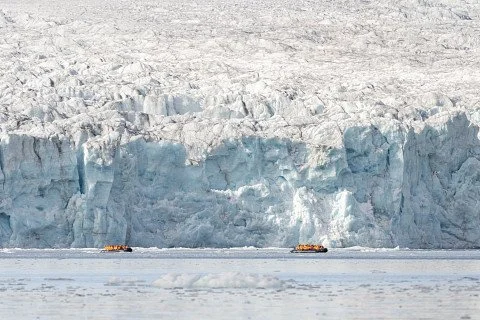

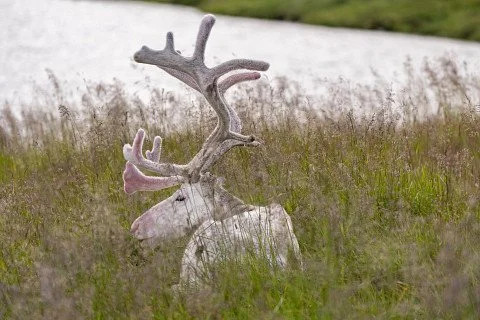
“The GSS Mast Camera has delivered on everything we wanted to achieve on Seabourn Venture - a view to the world. The detail in which our guests view wildlife is unmatched in the expedition industry!”
The GSS Cineflex Pro Marine 512EX is a weatherproof system mounted to the masthead of the ship and streams 4K UHD video throughout the ship utilizing an impressive 2430mm of zoom. Equipped with scene lock and video tracker, this system easily and effectively captures and records the natural beauty of the expedition along with significant wildlife moments. From waddling penguin colonies to feisty fur seals, the GSS Mast Camera allows for up-close views of the untamed wildlife among the scenic sounds, fjords, channels and glaciers.

With customized details, the GSS Marine Gimbal Series is especially designed to survive the harsh conditions of life at sea with features and functions that create ease and beauty for both the operators and viewers.
Materials: While most GSS gimbals are made of carbon fiber and aluminum, the GSS Marine Series uses stainless steel and carbon fiber adding a protective film and excellent corrosion resistance.
Accessibility: To make steering the gimbal seamless and simple, GSS engineers converted the serial control feed to IP with the ability to run on the ship’s network. Now, the Seabourn crew can plug into an ethernet port anywhere on the ship to control the gimbal over IP.
Video Auto-Tracker Feature: Seabourn elected to add the video tracking feature which enables the operator to easily follow the unpredictable movement of the subject by “locking on” the image and setting it to auto track.
Glass Wiper: To capture all the exceptional wildlife moments and achieve clarity in a variety of weather conditions, GSS designed a custom “windshield wiper” for the front glass of the gimbal to allow for picture clarity amidst the storms.
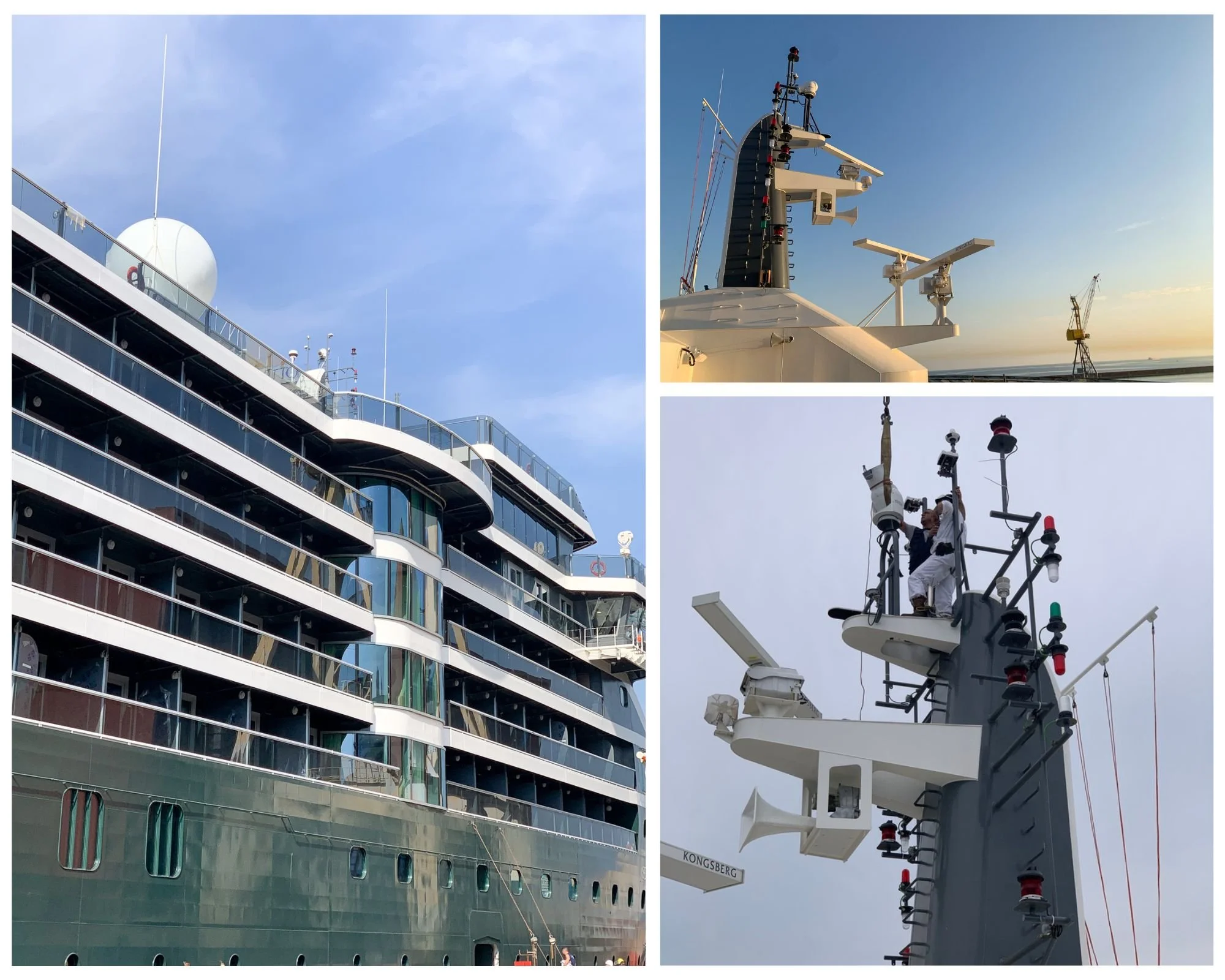
Designed for exploration and outfitted for adventure, Seabourn Venture offers a multitude of luxury features for an extraordinary travel experience. Gyro-Stabilized Systems provides the most advanced and sought-after gimbal technologies in the world with the most stable platform solutions. If you can dream it, you can do it with a GSS gimbal.

GEN2: The Cinema Mini 512EX just got a whole lot BOLDER.
Photo by Jon Riley. https://www.outinspacestudios.com/
When the production market told us what was needed from their gimbal in the field, we listened. This result of this exchange: the fully redesigned next generation Cinema Mini 512EX: GEN2. With new features ranging from faster camera swaps to added tuning profiles, we guarantee a smoother cinematography experience whether your gimbal is on land, water or air.
In our featured video, GSS CTO Steve Rudolph is in the field with Jon Riley, Cinematographer, GSS Owner, and Founder of Out in Space Studios (www.outinspacestudios.com). Learn all about the modifications we made and how they improve the user experience.
Cinema Mini 512EX Gen2 Highlights
Efficient.
We re-engineered the inner landscape taking the boards off the camera kit. Now, it’s a super clean swap for cameras and lenses saving you valuable time in the field.
Durable.
Upgraded heavy duty gears allow for the harshest conditions. This gimbal takes a pounding and stays the course.
Flexible.
The new tuning profiles assure rock-solid stability whether you are on land or in the air. And, the quick camera and lens swaps keep your content innovative, creative and fresh.
More! Discover all the new features of the Cinema Mini 512EX GEN2 on our website.
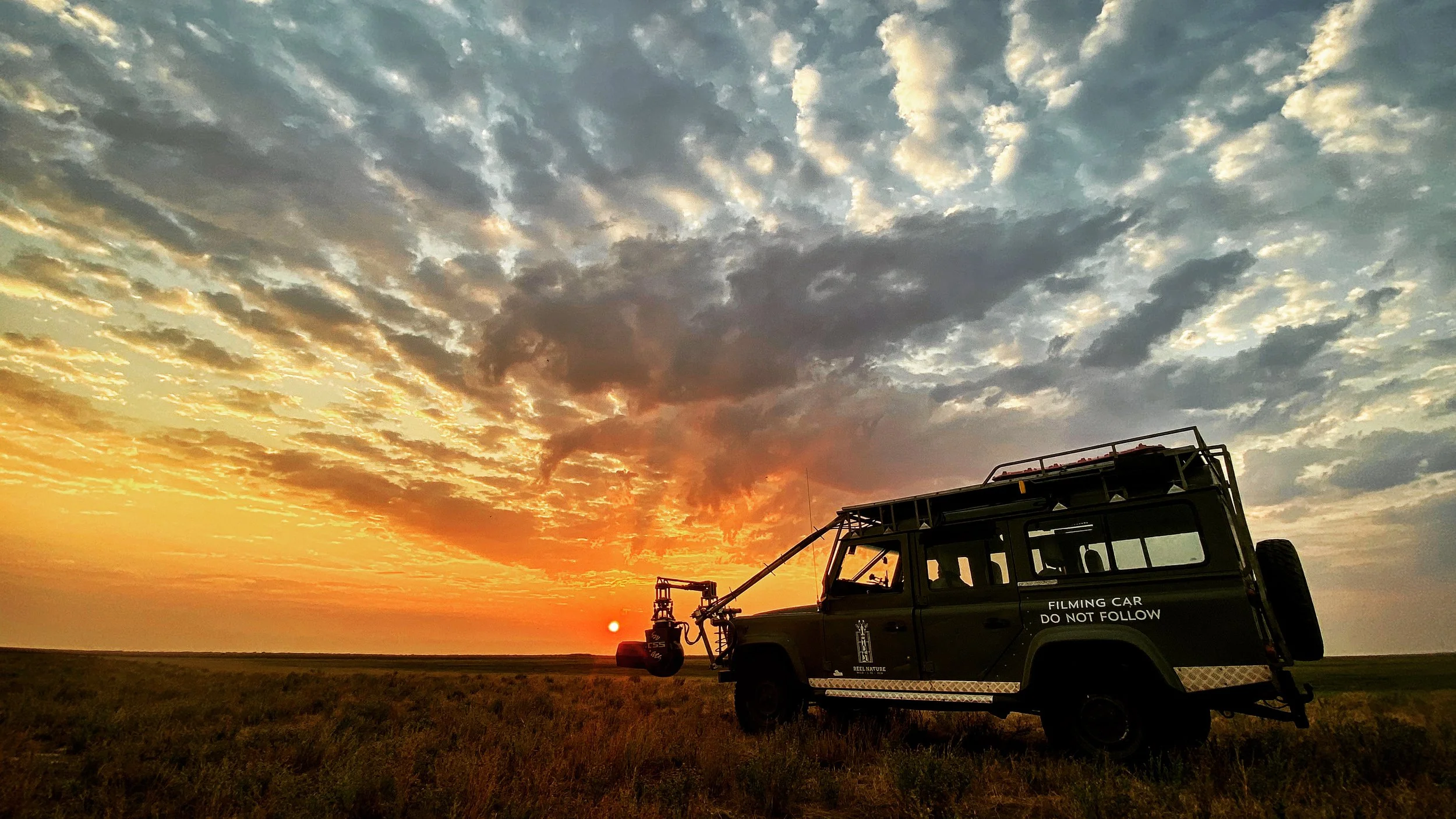
In the Field with Tom Walker (& Hyenas)
Celebrating 75 years of production, BBC Natural History Unit (NHU) is the best known and most loved producer of natural history content in the world. With ground-breaking technology and innovation, they reveal to audiences around the world the extraordinary wonders of nature through exceptional storytelling, jaw dropping imagery and cutting-edge science.
To understand the magic of this mission, we went behind-the-scenes with Tom Walker, U.K. based DOP working in natural history filmmaking. In conjunction with BBC Studios, Tom recently completed Sir David Attenborough’s new show Dynasties II: Hyena which is scheduled for release in the UK on April 10.

Photo courtesy of Aaron Sandhu
GSS: What camera, lens and gimbal technology did you use in the field for this shoot?
TW: RED Gemini, Canon 50-1000 in a GSS Cinema Pro 516
GSS: How long did it take to capture what was needed? Did you have “shot list” or did the story unfold as you filmed?
TW: The project filmed over two years, with multiple trips back to the same clan. The idea of Dynasties is to tell the story of individual animals, so to some extent they determine the story and the scripts. It’s less about working from a shotlist and more about covering what happens.
GSS: How did you use the gimbal and camera technology to observe without interfering?
TW: Aside from reading the animal’s behavior, the combination of such a long lens and the gimbal’s performance at the longer focal length allow us to work from a comfortable distance to the animals without causing disturbance.
One of the GSS gimbal’s many uses is its ability to move with the animals by driving alongside them as they move. There are many variables that need to align to result in a comfortable, non-distracting image though and when working off-road, it can be a challenge. More recently, camera movement can be quite overused but when it’s motivated, it really allows us to bring the viewer into the subject’s world and open new possibilities to capture behavior that is otherwise very difficult to achieve with static cameras.

Photo courtesy of Aaron Sandhu

Photo courtesy Aaron Sandhu
GSS: How did you partner with GSS during the shoot?
TW: One issue with working off-road is the demands on the gimbal. Because the system’s primary use was traditionally on helicopters with less physical demands on the system, we had to change the system’s outer axis speed. I did this a couple of years ago with the original 512 gimbal. Working with Steve Rudolph at the GSS Headquarters in California, I helped create some ground tuning profiles by pushing the outer axis response speed. At the beginning of the filming of Hyenas, I worked remotely with the GSS team to create those same profiles in the field with the 516.
GSS: SPOILER ALERT! GSS has now redesigned the 512EX now to include these tuning profiles. Stay “tuned” for more on that.
Why Hyenas?
Hyenas are often misrepresented as being scavengers or villain-like creatures of the night. Dynasties aims to show the world what hyenas truly are. Their social structure, intelligence, resilience, and senses are some of the most advanced in the animal kingdom but are rarely covered in media. Hopefully, people learn something new about these misunderstood animals.
What are some of the most memorable moments of filming the Hyenas project?
Hunts are always high adrenaline and a fun challenge to capture properly. There are a few hunts in the film, but the only one I filmed was the zebra chase. This was the most memorable moment and in typical wildlife fashion, happened on my second to last day on the project.
Dynasties II: Hyena will air in the U.K. on April 10 at 8 pm on BBC One and BBC iPlayer.
Tom Walker is an award winning cinematographer with over 9 years of experience specialising in natural history. Previous projects include: 7 Worlds One Planet, A Perfect Planet, Planet Earth 2 and various Disney, Netflix and National Geographic films. Learn more at www.tomwalkerphotography.co.uk @tomwalkercam

Announcing NEW GSS Utility Gimbal Series
GSS announces three new gimbal models for aerial inspection and survey.
Gyro-Stabilized Systems is pleased to introduce three new gimbal models: U416, U512EX, and U512EX OGI. These 4 and 5-axis gimbals were developed for aerial inspection and survey with direct feedback from the industry's most knowledgeable specialists.

The GSS Utility systems integrate the highest quality cameras on the market with interchangeable sensors including:
Digital Stills Imagery
4K/HD Daylight Camera
High-Resolution Thermal IR
Corona Detection
Geo-referencing/Tracking
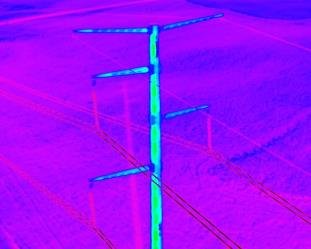
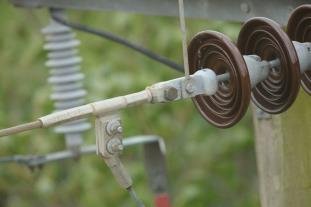
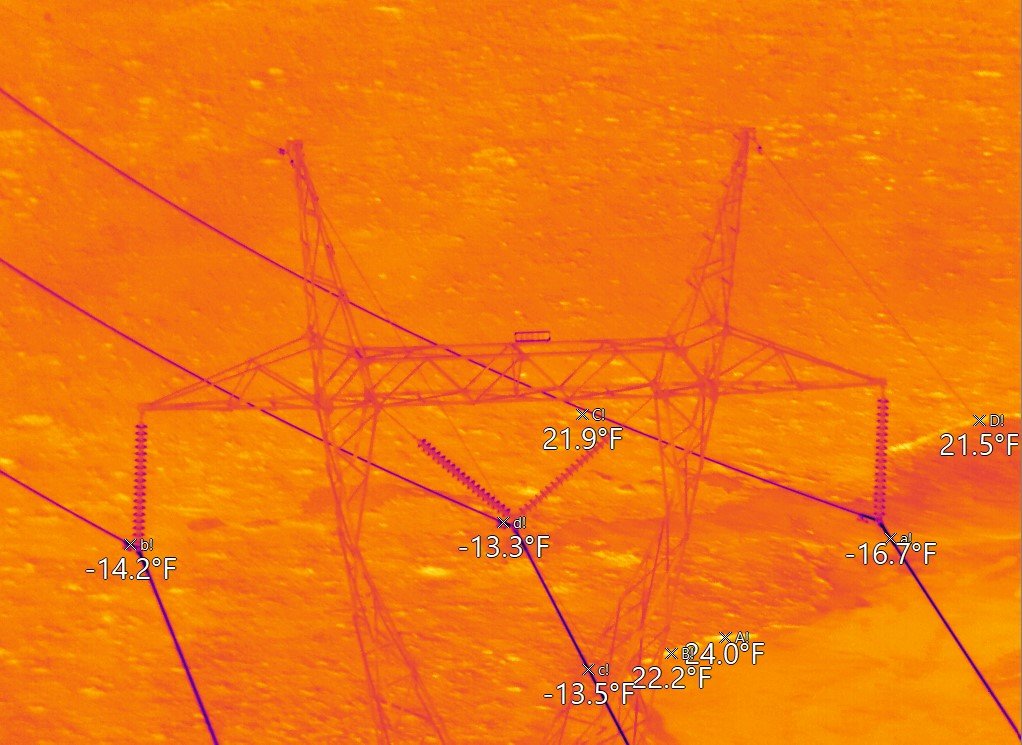
From the small and light U512EX and U512 EX OGI with dual sensor capability to the U416 housing up to four sensors, you have the opportunity to custom build the gimbal experience that matches your needs.
Whether you are inspecting power lines, pipelines or visually detecting gas leaks, this tool helps you find the problems in the fastest, safest, and most accurate way.

Featuring the U416 GSS Gimbal
At Gyro-Stabilized Systems, we are committed to providing the highest quality, most reliable tool for the job. With over 70 years of combined experience in the commercial and government/military gimbal markets, we make our customers our highest priority.

The Rise of HDR in Broadcast Media
For broadcasters, HDR is the most significant advance in imaging since the advent of color.
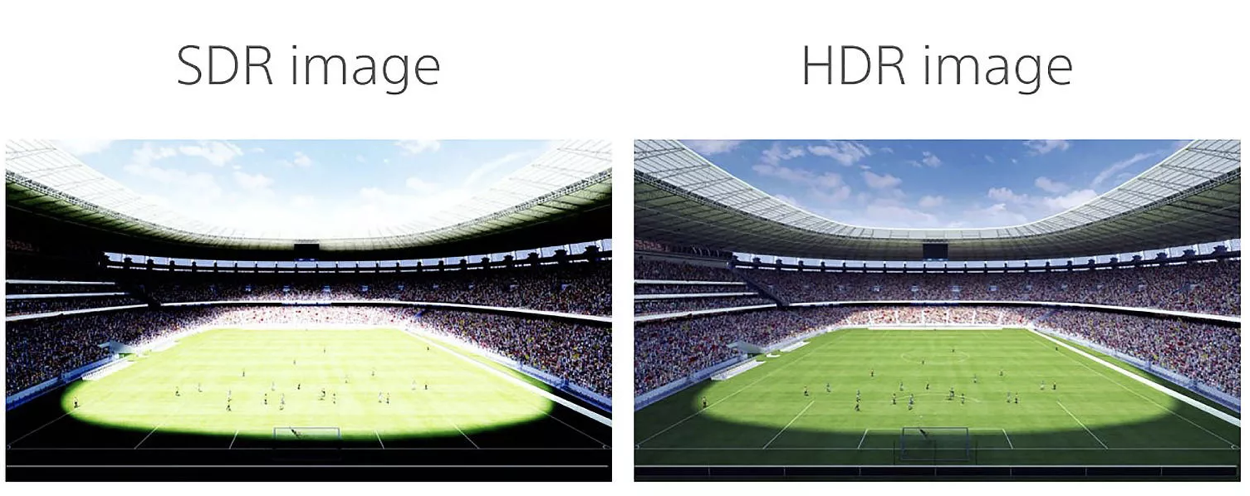
Sony
Over the past few years, with the patience and persistence of media pioneers, high dynamic range (HDR) video has become the new standard for broadcast media worldwide. From the Super Bowl to Premier European football and rugby events to the 2021 Tokyo Olympics (the first Olympic games to be broadcast in HDR video), major-market broadcasters are moving to HDR to produce a live viewing experience that is notably richer and more colorful than anything else to date.
The integration of HDR in broadcast has been a progression of time and patience that includes working out the kinks of this new technology and getting creative with the production workflow to enable the HDR experience amidst hybrid feeds. Through this process, it has become clear that HDR technology is key to the future of live sports events for many reasons. Primarily, HDR offers 95% of the 4K experience without the complexity and cost of transmitting 4K. HDR offers a wider color gamut and transmits on 1080p, requiring only 10% of the energy of 4K. For broadcasters, HDR is the most significant advance in imaging since the advent of color.

Sony via EaseFab Software Network
The Sony HDC-P50 offers the industry exciting new possibilities for creating HD, 4K, HDR and HD HFR productions. As dedicated partners to the evolution of broadcast media, GSS has ensured this camera fits in the GSS Cineflex Mini 512 (our smallest, lightest gimbal) with a 45x or 46x lens weighing in at only 57 lbs/25.8 kg.
As always, GSS is committed to providing the most reliable and stable gimbals that support the latest camera and lens technology offering our customers a world-class product and competitive edge to stay “ahead of the game”.
For more information on HDR technology and gimbal support, email us.
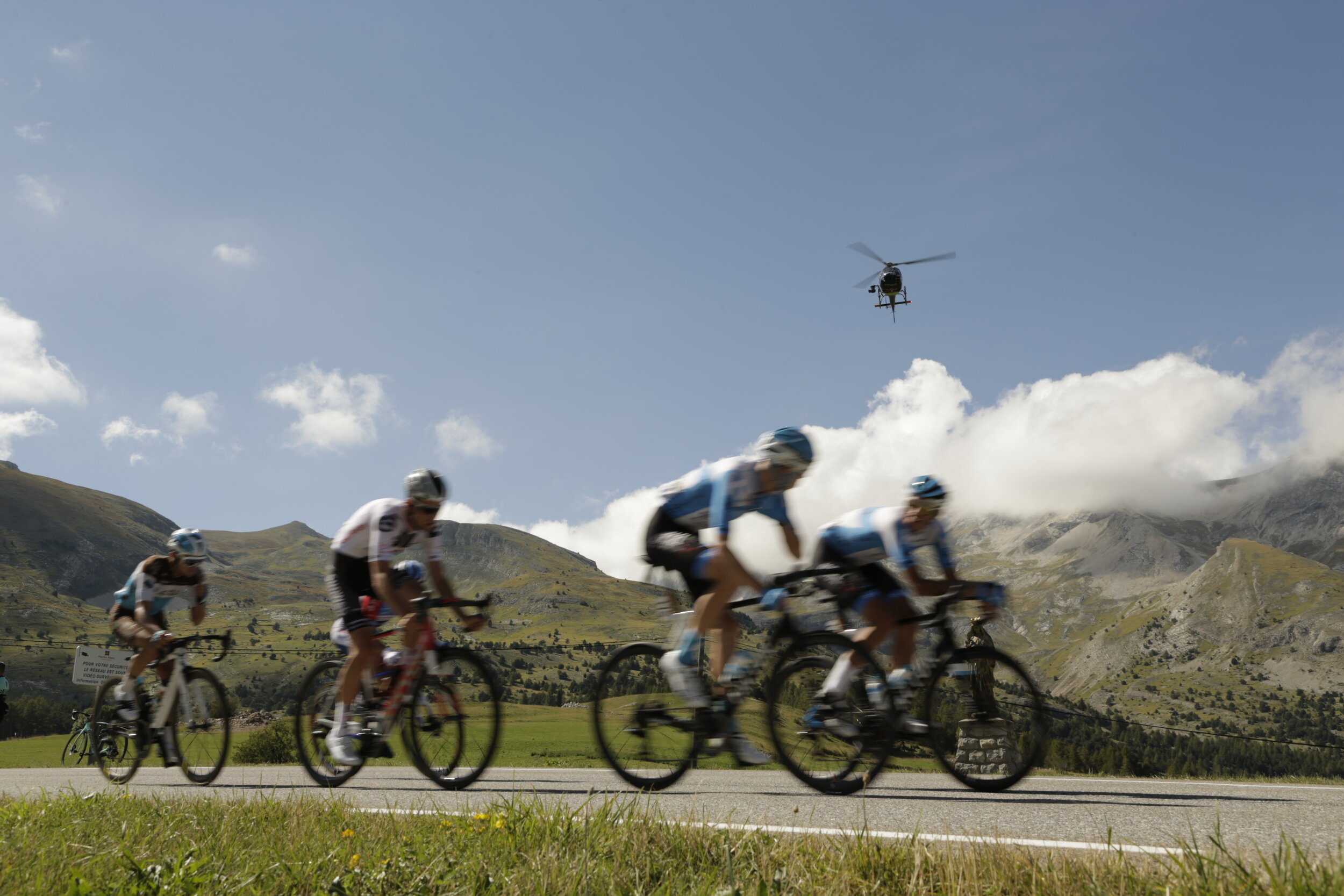
Tour de France 2021: Behind the Scenes with Papa Sierra
Providing live aerial coverage of the most outstanding and highly respected bike riding competition in the world.

Papa Sierra’s gimbal line-up as they prep for live coverage of the Tour de France 2021.
Well before the Tour de France 2021 kicked off in Brest, Brittany, France on June 26, preparations were underway to broadcast the event worldwide. Race coverage requires the highest quality equipment, diligent technicians and an artful lens to convey the story of the most outstanding and highly respected bike riding competition in the world.
Enter Papa Sierra.
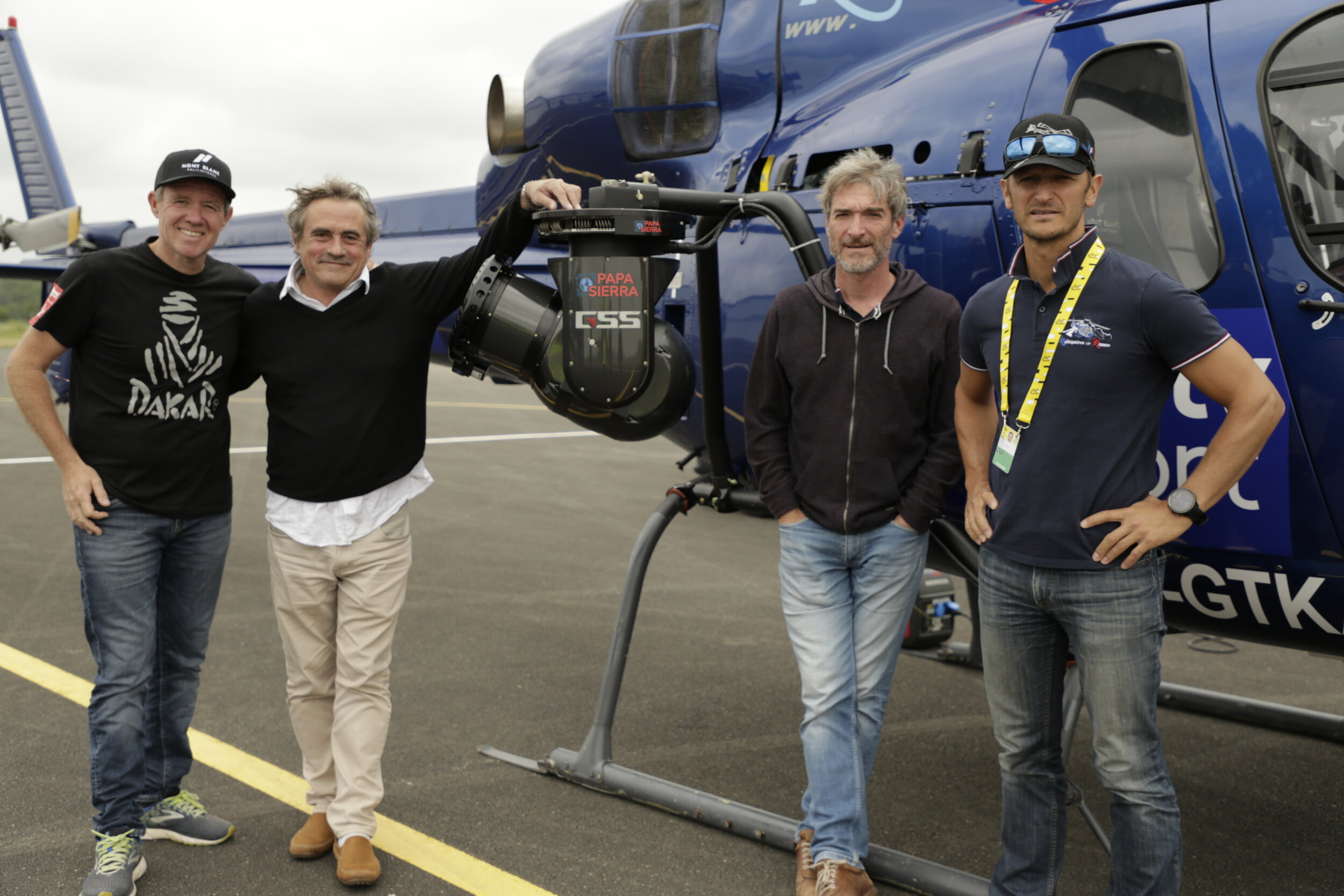
Based in Paris, France, Papa Sierra provides top-notch aerial shoots for cinema, events and advertising. A GSS partner for over five years, Papa Sierra owns and operates a full fleet of Gyro-Stabilized Systems gimbals used on helicopters and operated by some of the best technicians in the business.
Having covered this epic race for over a decade, Papa Sierra has the expertise and insight on just how and what to do. This year, they are utilizing two shooting helicopters each equipped with two gimbals – one with a wide angle lens and the other with a 45x telephoto lens for long zoom work. In addition to filming the race, these crews also provide stunning aerial footage of significant sites and landscapes crossing the route.
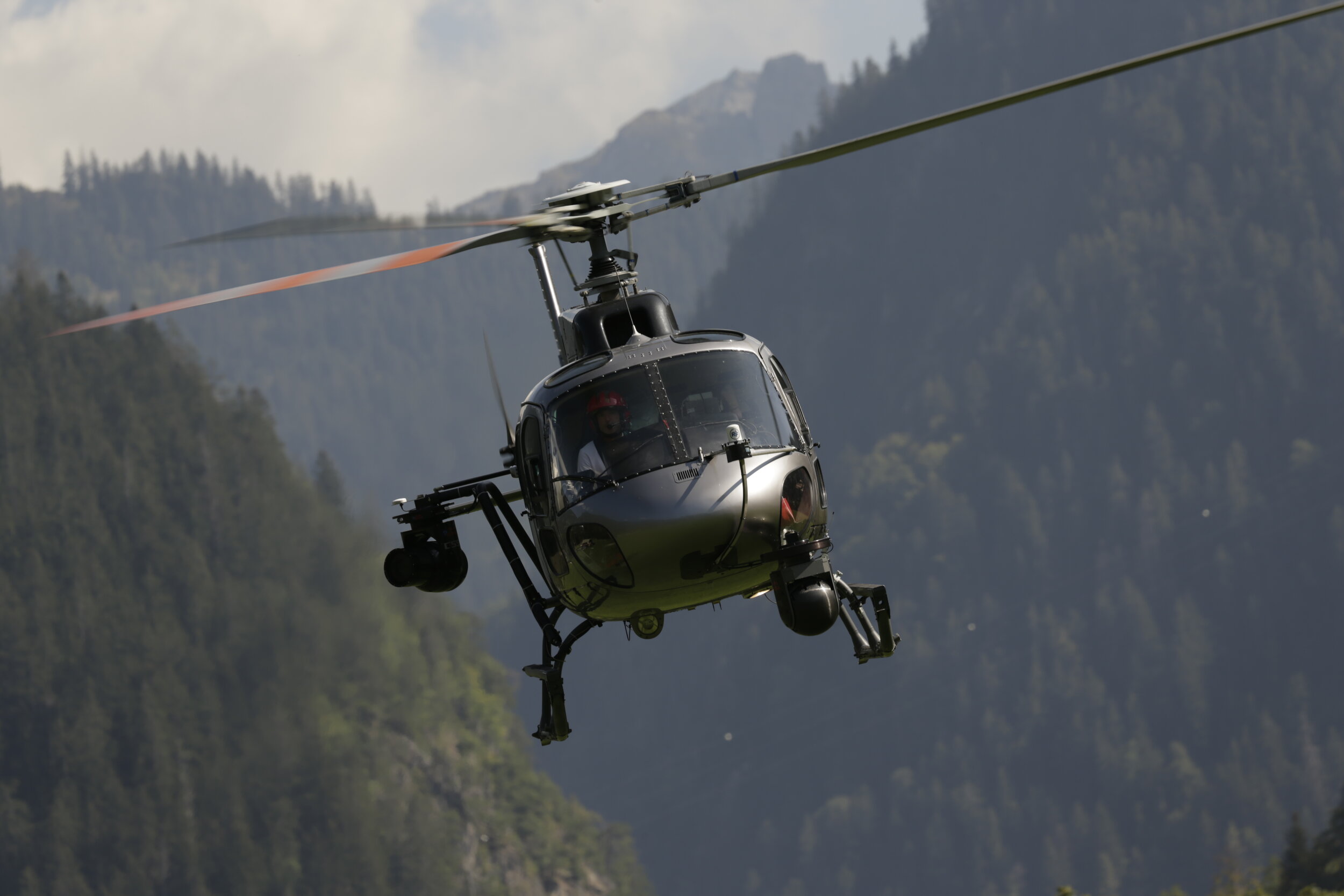
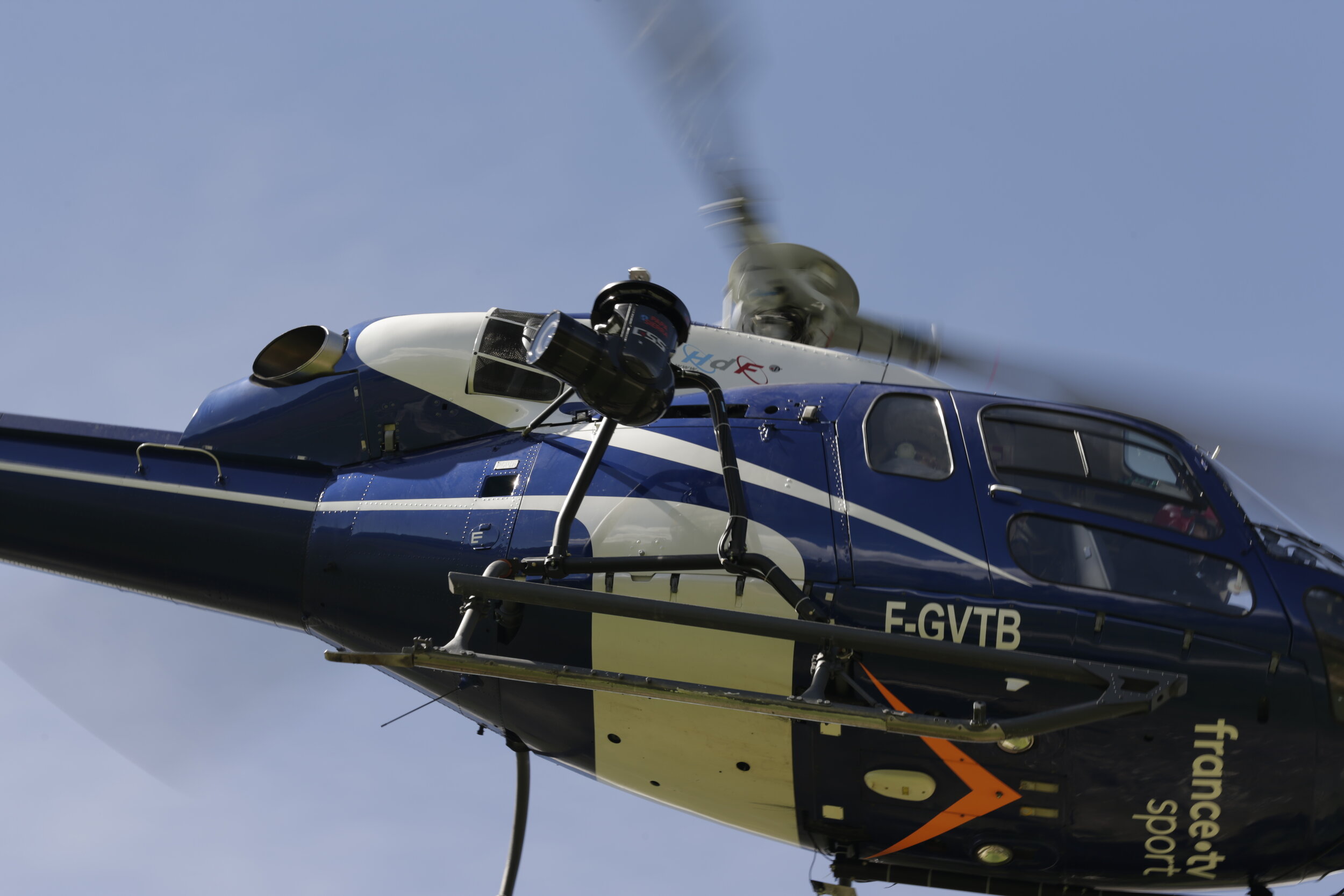
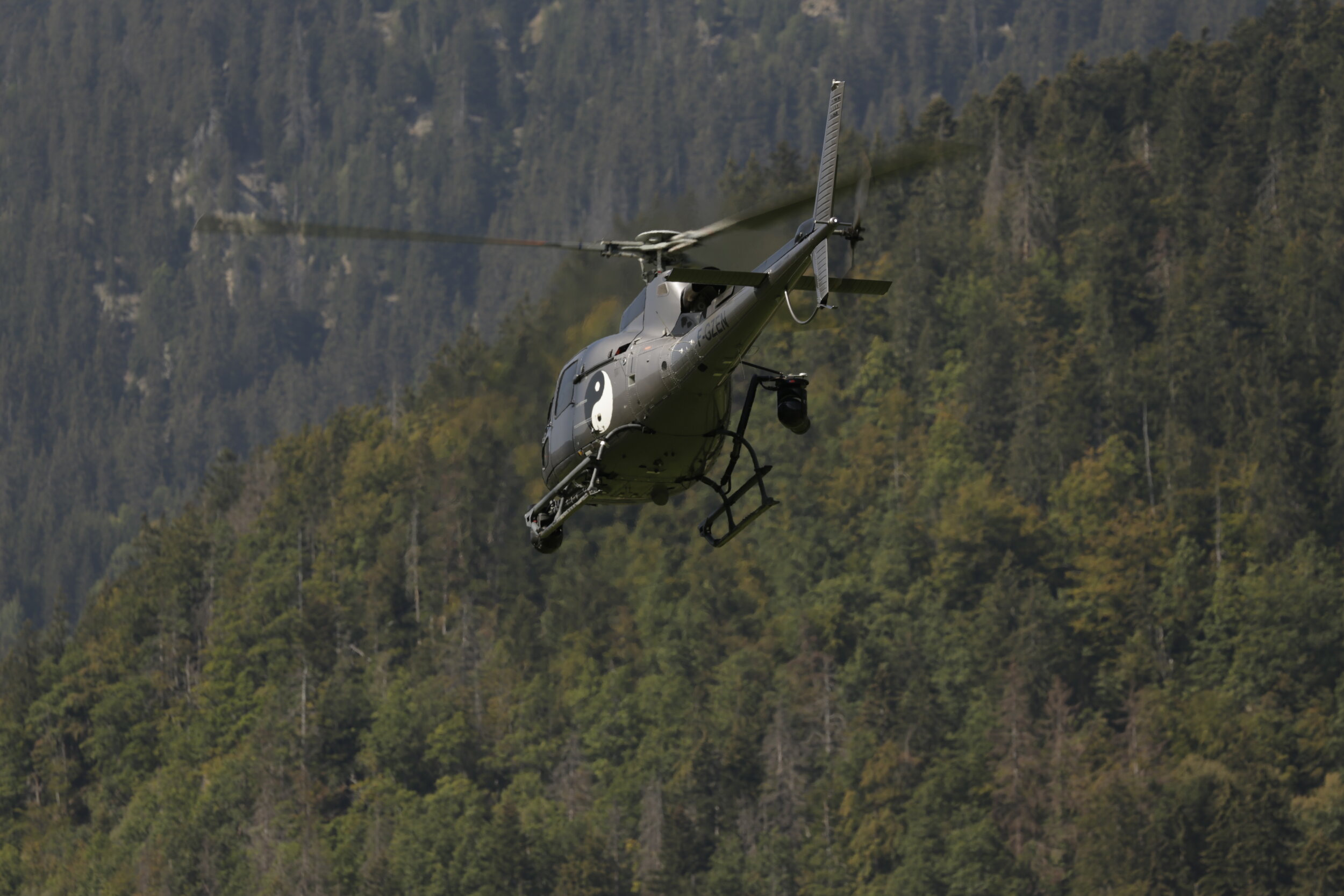
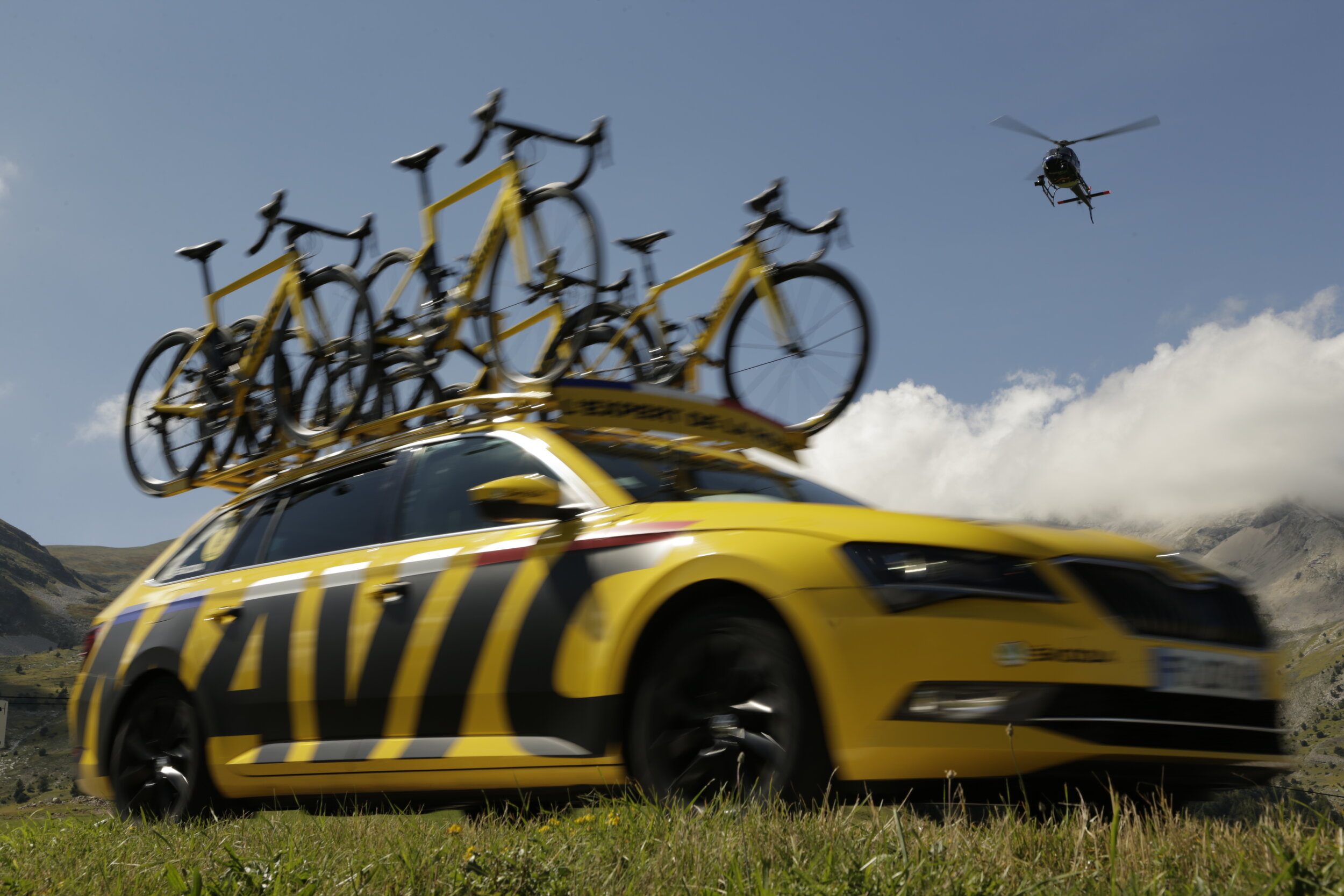
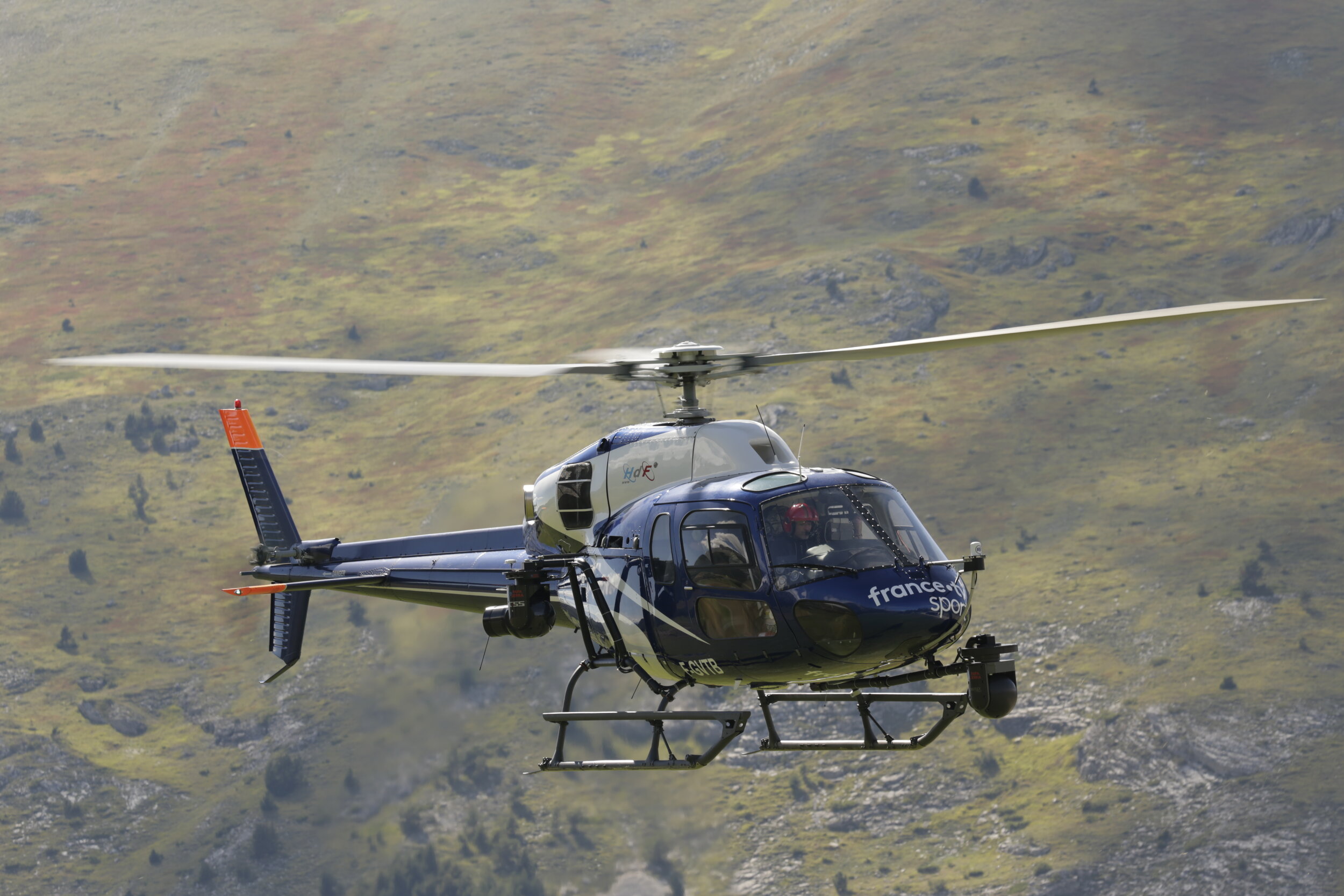
Here’s how it works: The director proposes a composition and the result becomes a team effort between the pilot and the operator. From a wide shot to a tight close-up of a cyclist, communication is essential to providing the director just what they are looking for. In this way, the coverage is an exciting information exchange between the aerial teams and the director who tells the story of the race using motorcycles and helicopters.
According to Frédéric SPRIET, Owner of Papa Sierra, the gimbal function they most heavily rely on is stability. “The stability of the gimbal allows the zoom to be carried out at very long focal lengths. This is an indispensable tool for covering sporting events such as car, boat and cycle races. GSS is the most stable gimbal in the world making it the perfect match for the most elite bike race in the world.”
In addition to “monstrous stability,” a gimbal function the operators appreciate is “Topshot in G mode” also known as POV mode or platform guided stabilization. This allows the operator to hold the racers in the shot during the heart-pounding final sprint through tiny villages at the end of each day’s race - even if the chopper is going too far and between buildings.
One of the many artful ways these seasoned operators provide an immersive audience experience is by utilizing the “magnificent 45x Canon lens with the Sony P50” to capture facial expressions and even discussions between the racers. This often happens during the mountain stages while flying at the same altitude as the cyclists.
Equipped with four GSS gimbals, SPRIET is confident his team will secure exactly what is needed all the way to the finish line.
For Tour de France 2021 coverage, check out TV: NBCSN Stream: Peacock.
For more information on Papa Sierra, go to https://papasierra.fr/en/. Photos by Stéphane Azouze.
“It is an exciting information exchange between the aerial teams and the director who tells the story of the race using motorcycles and helicopters.”
Celebrating Women in the Gimbal Industry for #IWD
In a traditionally male-dominated industry, these women are leading the way with what’s possible. #choosetochallenge #iwd2021

In celebration of International Women’s Day, GSS is excited to take part in the #choosetochallenge mission by highlighting the contribution of two incredible women who rock the gimbal world inside and out: Erika Tirén and Vickie Degerfeldt.
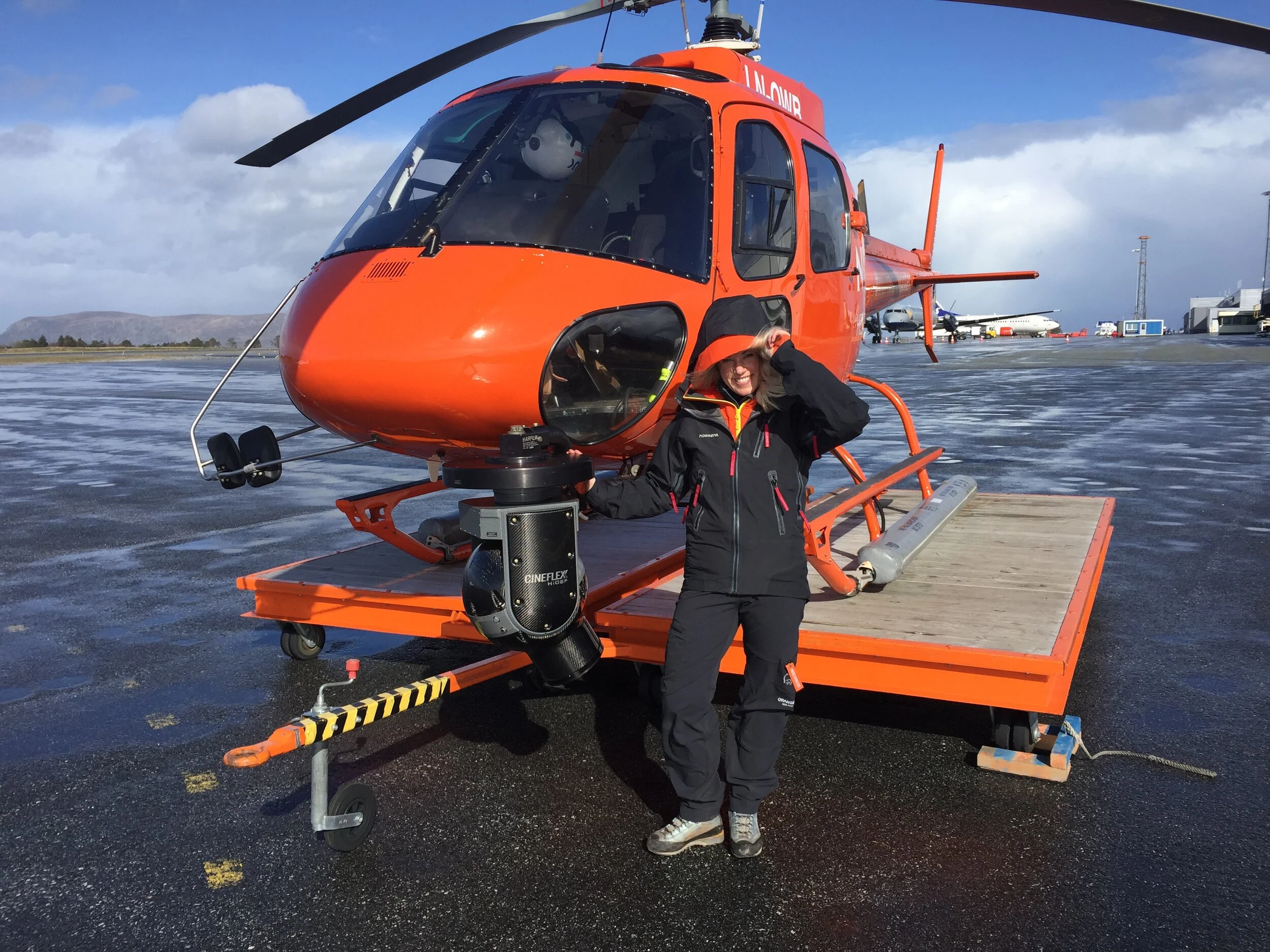
In a traditionally male-dominated industry, these women stand out as role models for whole-hearted success both personally and professionally. Based in Norway, Erika is an award winning photographer and ADP whose creativity, perseverance and passion for the natural world was formed in early childhood while clutching a teddy bear on the many flights she took with her dad, a helicopter pilot. We will be featuring her work all week on social media. In the meantime, check out her website and Instagram page.
Arctic Sunset by Erika Tirén
After working with her husband, Peter Degerfeldt at Blue Sky Aerials, for several years, Vickie entered her full-time role of gimbal technician in 2015 with their purchase of a GSS Cinema Pro + 520. She is responsible for the all the technical aspects of gimbal performance and safety on jet aircrafts, flying at ridiculously high speeds while maintaining completely stable imagery. It’s mind-blowing stuff. In addition to Blue Sky Aerial highlights on our social media this week, you can find out more on the Blue Sky website and Instagram page.
High Velocity Flight by Blue Sky Aerials
While we celebrate the success of these two industry leaders, we recognize ALL women who have impacted the aerial industry in a multitude of ways. We encourage women and girls interested in aviation and aerial photography to dream BIG. We believe and make room for the vision and voice of women all over the world to be part of this industry whether it’s production, broadcast, utility or surveillance as a pilot, engineer, technician or ADP. We’re excited for the progress and impact we will continue to see from women worldwide for years to come.
Thank you Erika and Vickie for leading the way!
“Persistency, stubbornness and confidence have certainly helped me get to where I’m at today. I’m a perfectionist who always wants to do better. ”

GSS Cinema: The Power of Ownership
Discover the power of ownership with the world’s most stabilized gimbal platform.
Skip Armstrong, DP
Wazee Motion Pictures
Owner, GSS Cinema Mini 512EX
For filmmakers large and small, investing in high-end camera equipment is a big decision. We knew when Skip Armstrong took the leap of faith and became the owner of a brand new GSS Cinema Mini 512EX, it was the right call. Making a commitment to your craft is believing in the endless possibilities of your creations.
In Skip’s case, the seed was planted in 2007 when he watched the first Planet Earth series in Costa Rica. Seven years later, Skip had the opportunity to use a GSS gimbal and eventually purchased one for an equity group. Today, Skip is the owner and operator of his very own Cinema Mini 512ex gimbal.
Owning the GSS Cinema Mini 512EX gimbal takes his business to the next level. Skip has the freedom and flexibility to utilize the highest quality gimbal on the market with unequaled stabilization and camera swapping flexibility to create groundbreaking reels that defy expectations.
We asked Skip why he chose the GSS gimbal and here’s what he said…
GSS: What is your favorite aspect of the GSS gimbal?
Skip: It works perfectly every time. It’s reliable and tough.
GSS: How does the Cinema Mini 512EX impact your craft?
Skip: It opens up creative perspective in endless ways. For commercial, narrative and broadcast work, it's the swiss army knife for our team.
GSS: What is the most creative/fun way you have used the GSS gimbal?
Skip: We're always dreaming of new ways to use the gimbal. It’s amazing to have it on the vehicle in the morning and on the airplane in the evening. Creatively, we're excited to get it into remote areas using custom high-capacity lithium ion batteries.
As a film director and DP, Skip sees the world with majesty to create diverse films with emotional depth and beauty that are true works of art. His company, Wazee Motion Pictures, offers world-class aerials, overland stabilization, and full film direction and production. Skip’s high profile client list includes Boeing, Ford and National Geographic, among many others.
To learn more about Skip and his work, please visit: https://wazeemotionpictures.com or on Instagram.
“The future belongs to those who believe in the beauty of their dreams.”
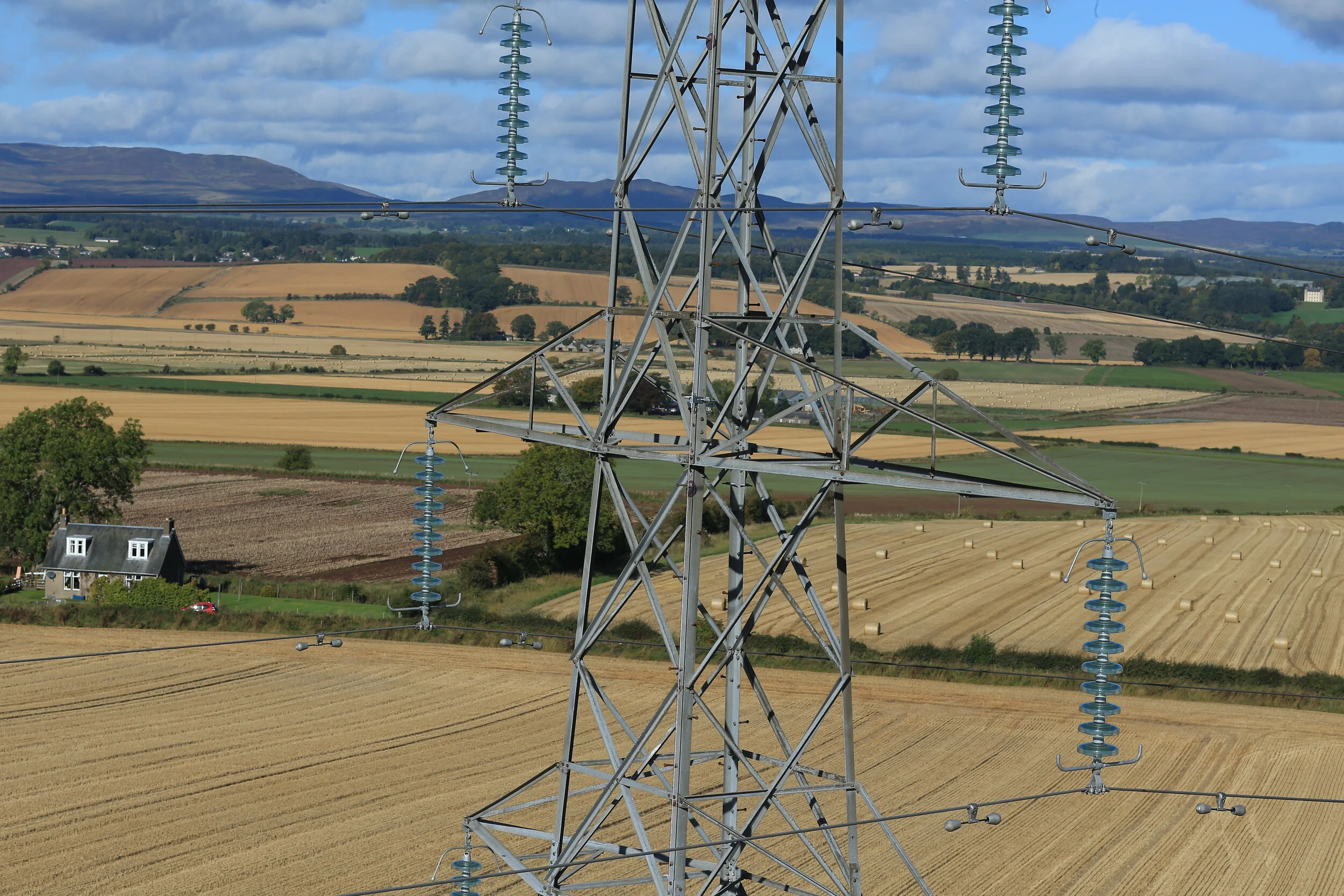
GSS Unveils GeoPro Navigation System for Utility Inspection
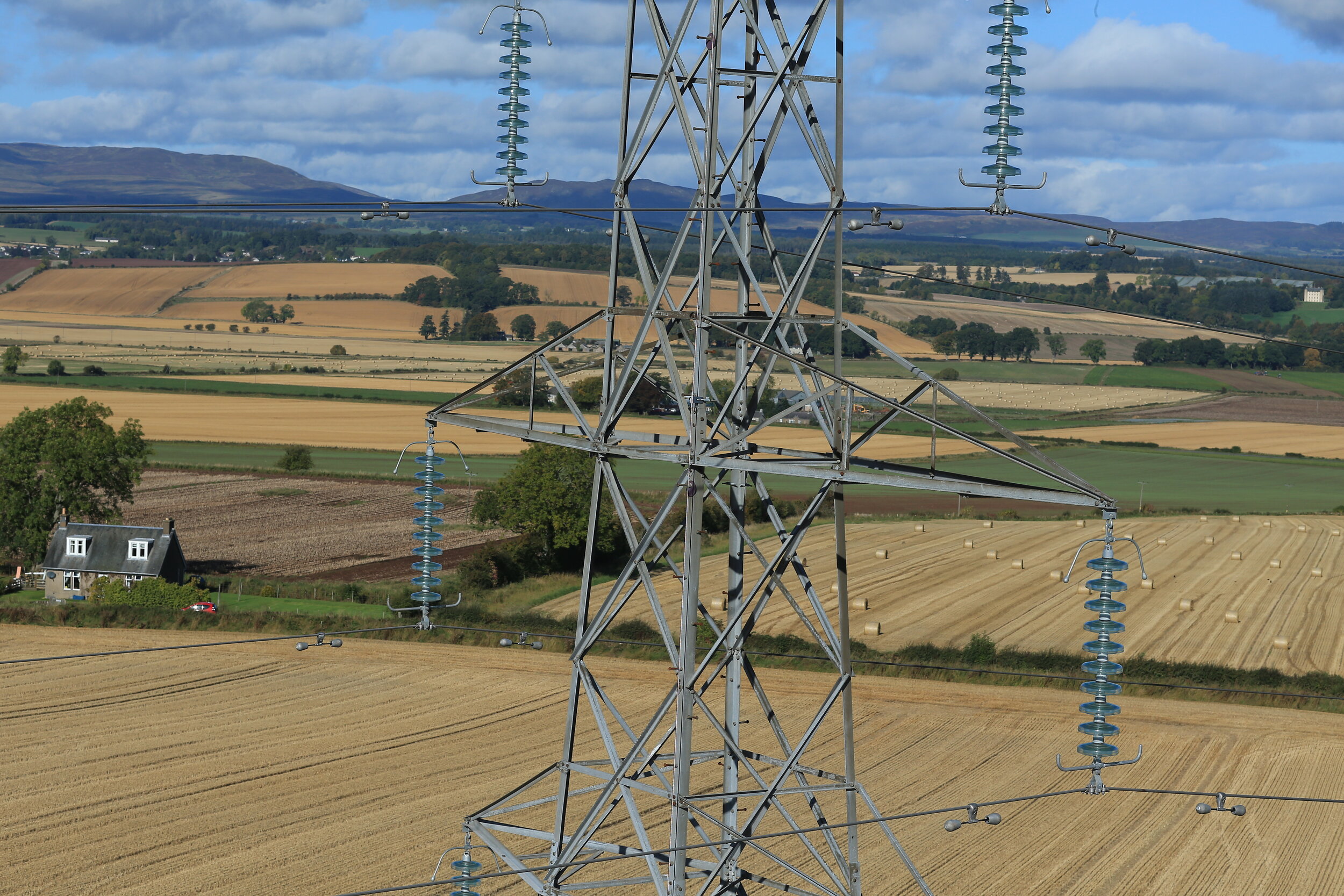
Your Utility Inspection Solution
has arrived…..
As the Utility Industry confronts new realities for securing highly accurate inspection data, Gyro-Stabilized Systems (GSS) unveils its Utility gimbal series equipped with the proprietary GeoPro Inertial Navigation System providing an effective and impressive solution to meeting industry requirements.
The system offers customers the flexibility of hot-swappable payloads and sensors for a variety of inspection work, power line and pipeline inspection, gas leak detection and more.
The GeoPro Inertial Navigation provides highly accurate data with real-time data stream and external gimbal control. Working like a digital assistant, the software offers auto slewing to KML points, focus using slant range and DTED data, and is fully compatible with most GIS software systems.
Don’t miss the chance to bid on future inspection contracts with the highest performing 5-axis stabilization platform accommodating the most powerful cameras and sensors on the market. Watch this video to view first-hand the Utility series and GeoPro Inertial Navigation System in action!
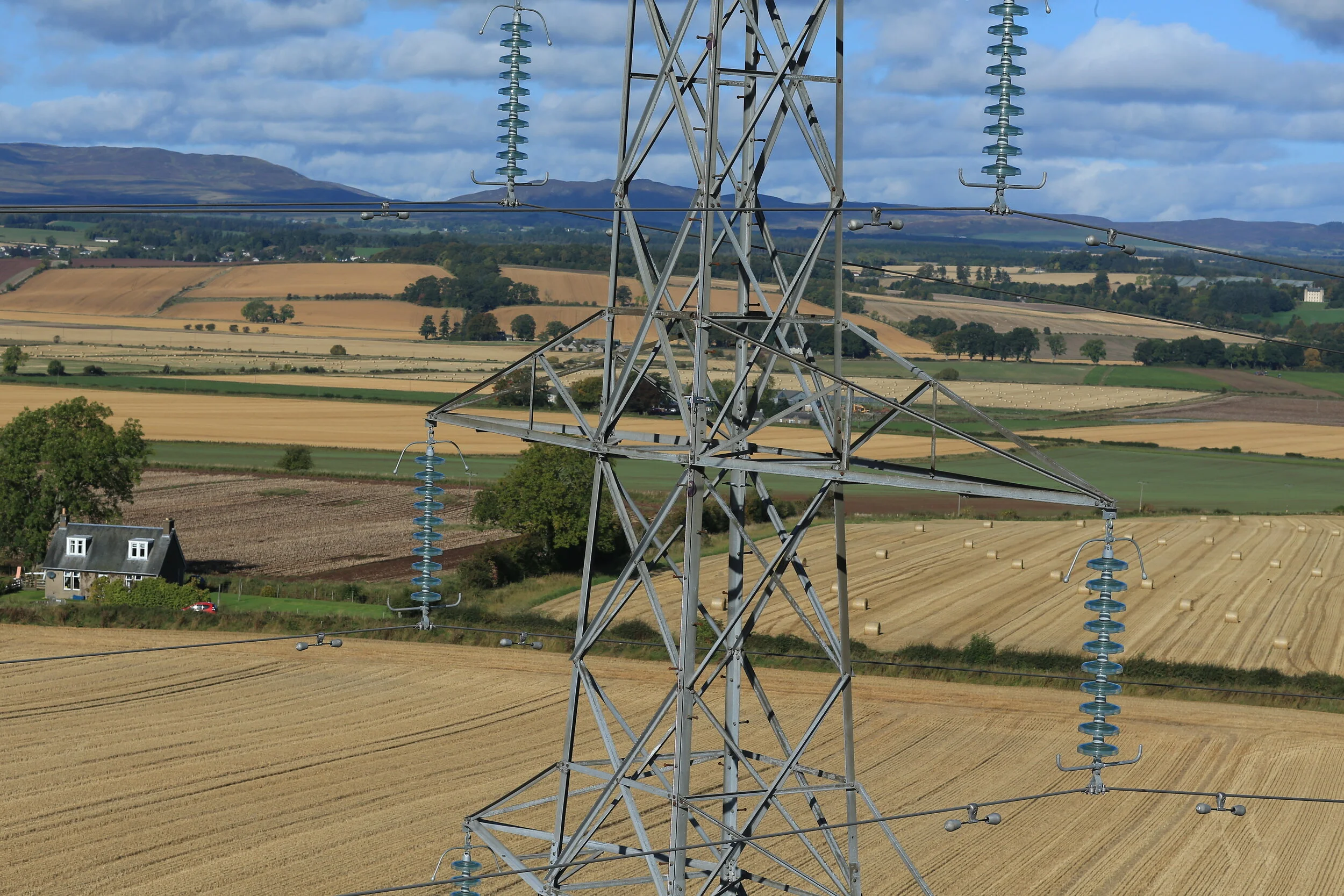

Best in Broadcast 2020
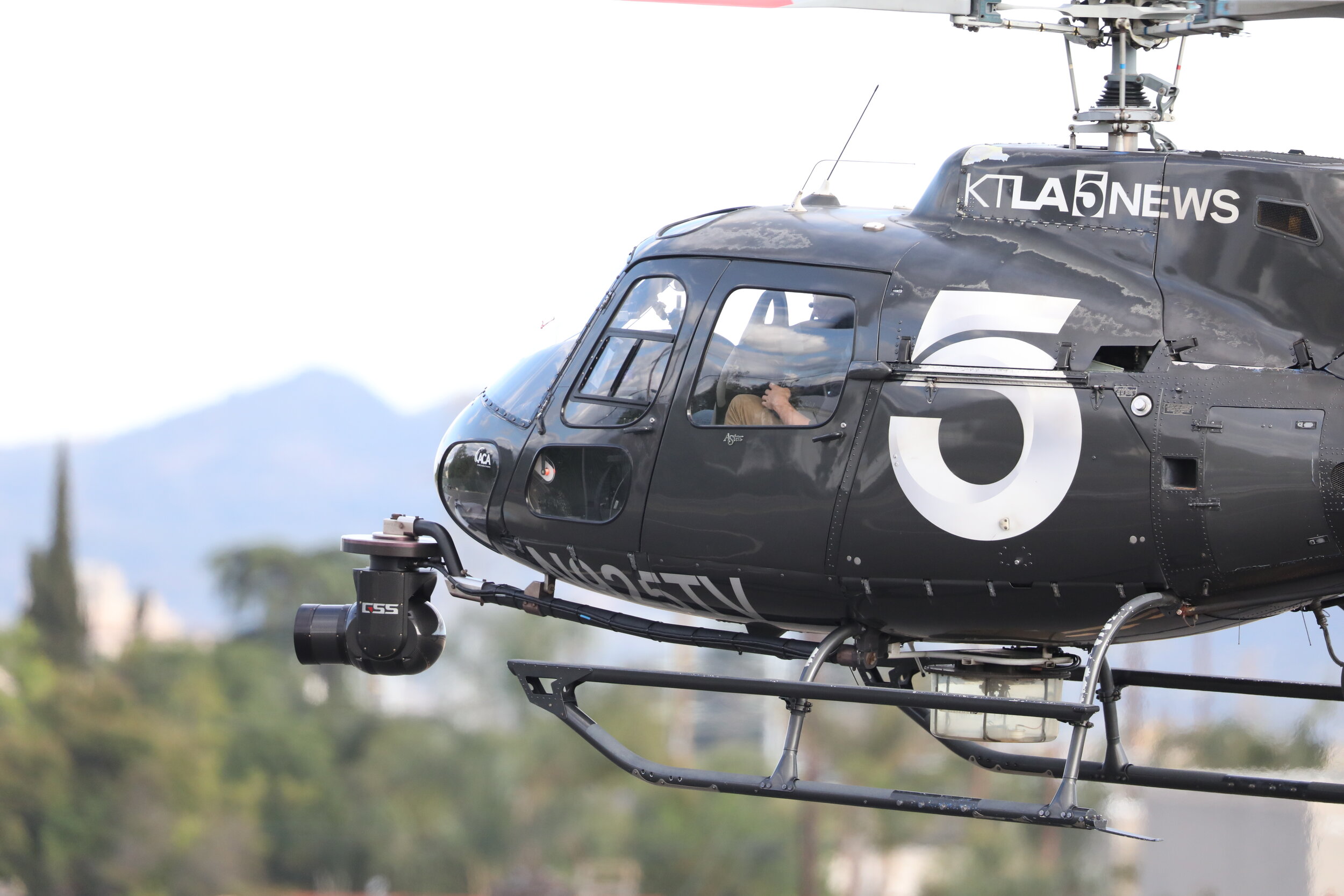
When you’re looking for the best tech in broadcast, you ask the experts. News networks across the world use GSS gimbals to capture the latest in current events.
Time and time again, our clients choose GSS Cineflex gimbals for their:
Lightweight and compact size
Rock-solid stabilization at the end of the lens
Stabilized look down in a smaller and lighter package
Fast installation
Reliability - they just work
Best Churchill Navigation moving maps integration in the industry, with Geo Pointing capabilities and adjustable heading for perfectly aligned maps
Still not convinced? Check out some of our clients with their ships and gimbal systems!

WKMG, via Parker Brown, Orlando, FL.

WLS, Chicago, IL.

WSVN, Miami, FL.

KTVU, via Ruben Campos, San Francisco, CA.

WKMG, Orlando, FL.

WPXI, via Ruben Campos, Pittsburgh, PA.

WCBS, New York, NY.

WABC, New York, NY.