
Tom Walker on filming National Geographic’s “Cheetahs Up Close”
When you’re curled up on your couch watching the latest nature documentary, do you ever wonder what it takes to get up-close and personal with those wild animals? We recently caught up with cinematographer Tom Walker, who’s been doing exactly that for the past decade, and he shared some of the techniques he uses in National Geographic’s upcoming documentary, “Cheetah’s Up Close with Bertie Gregory”.
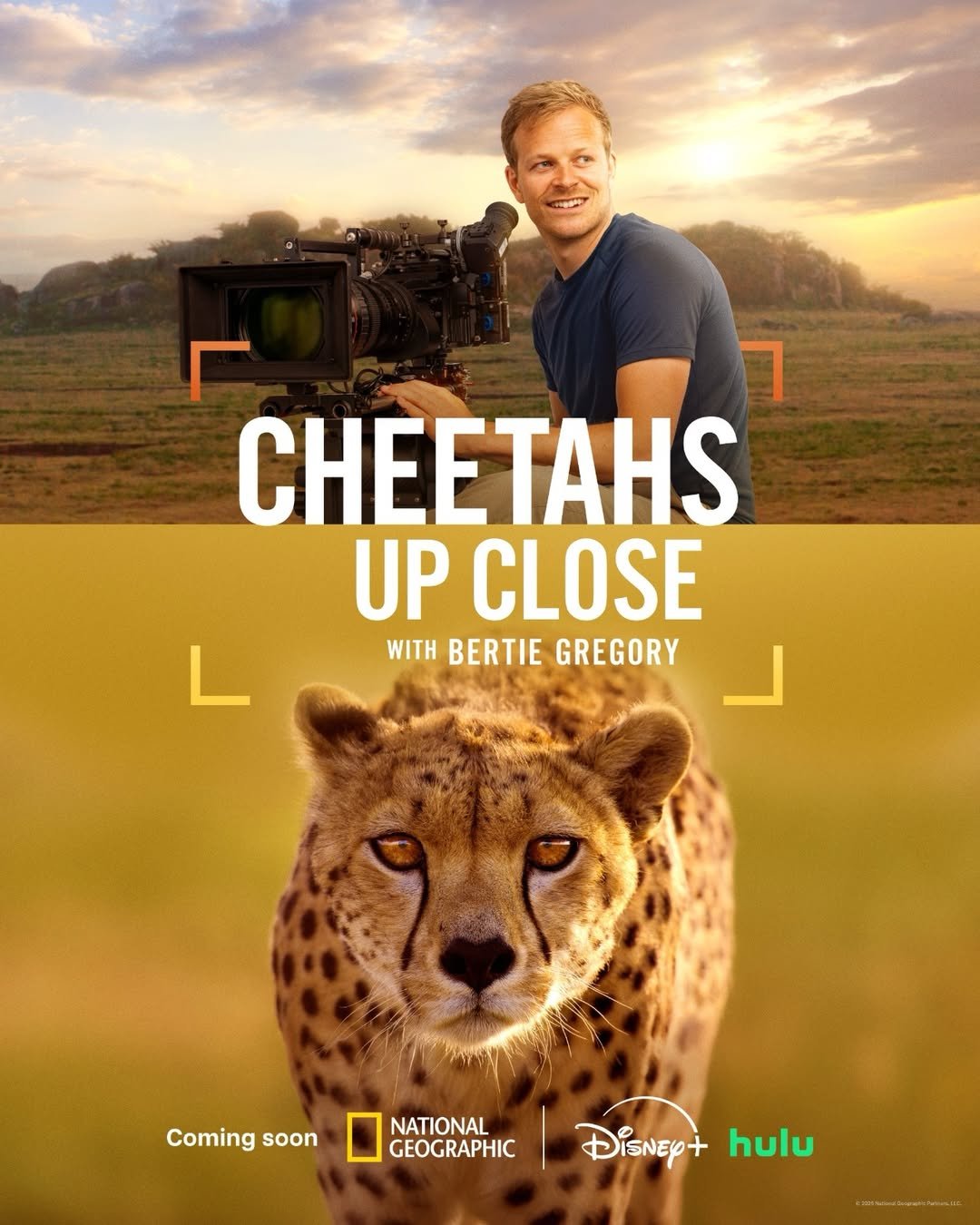
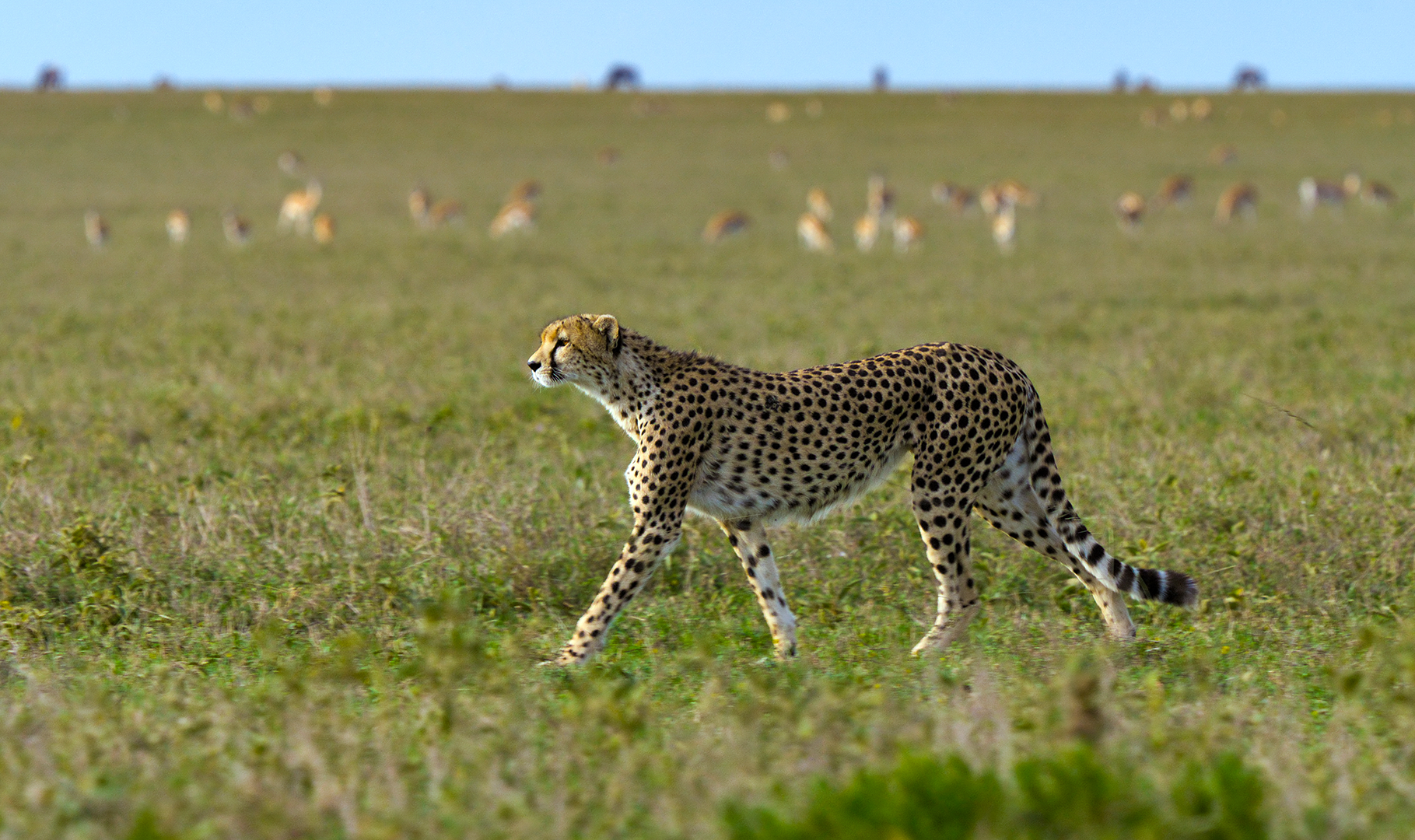
Walker has been stalking cheetahs for some time, laying groundwork for this project in a series of visits to the Serengeti over the past 10 years. Earlier this year for National Geographic, he and long-time collaborator Bertie Gregory spent 4 weeks filming cheetahs during the annual wildebeest migration; an event involving 2 million animals moving across northern Tanzania as the rainy season sets in. This provided the team with some interesting – and challenging – conditions in which to film the world’s fastest mammal.
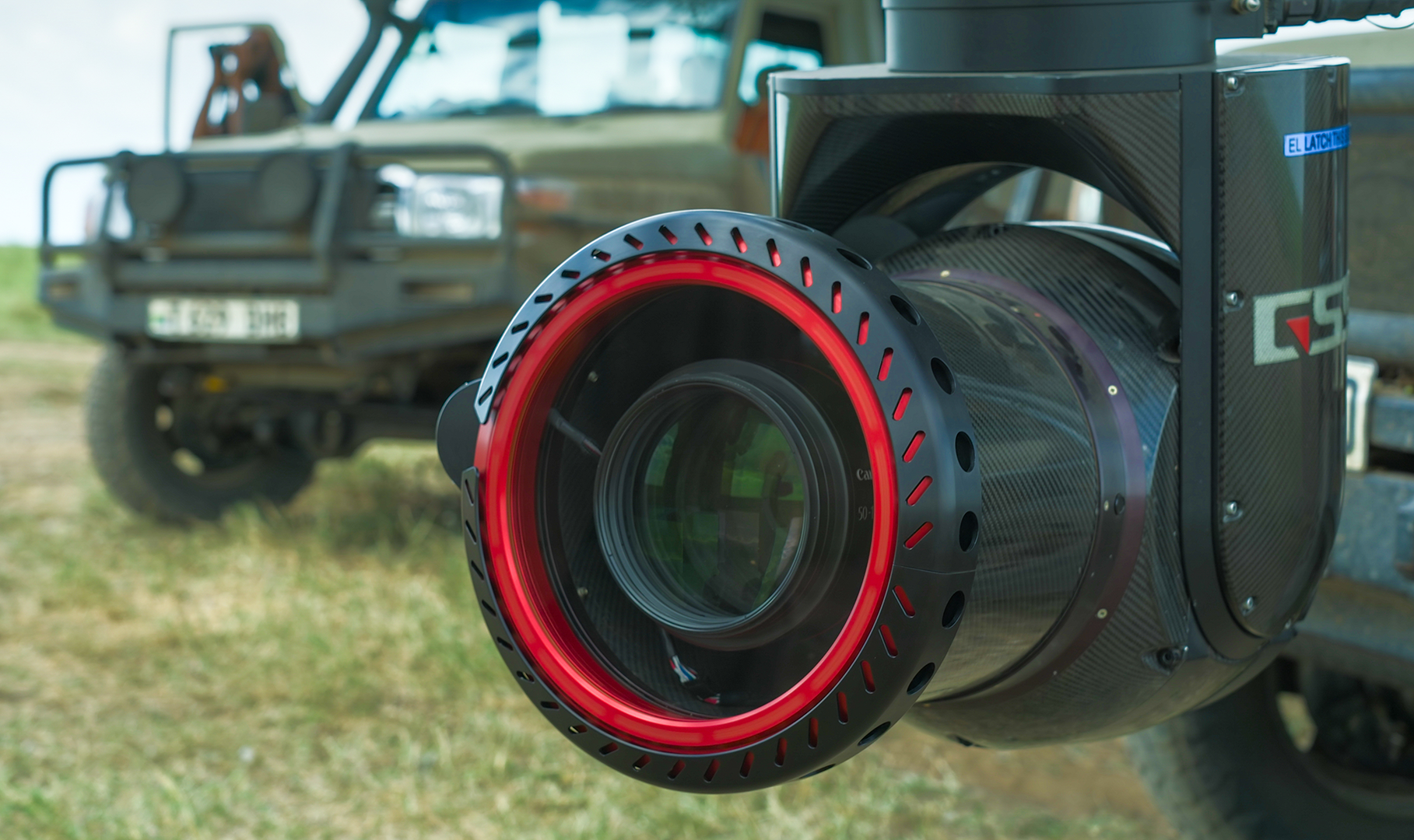
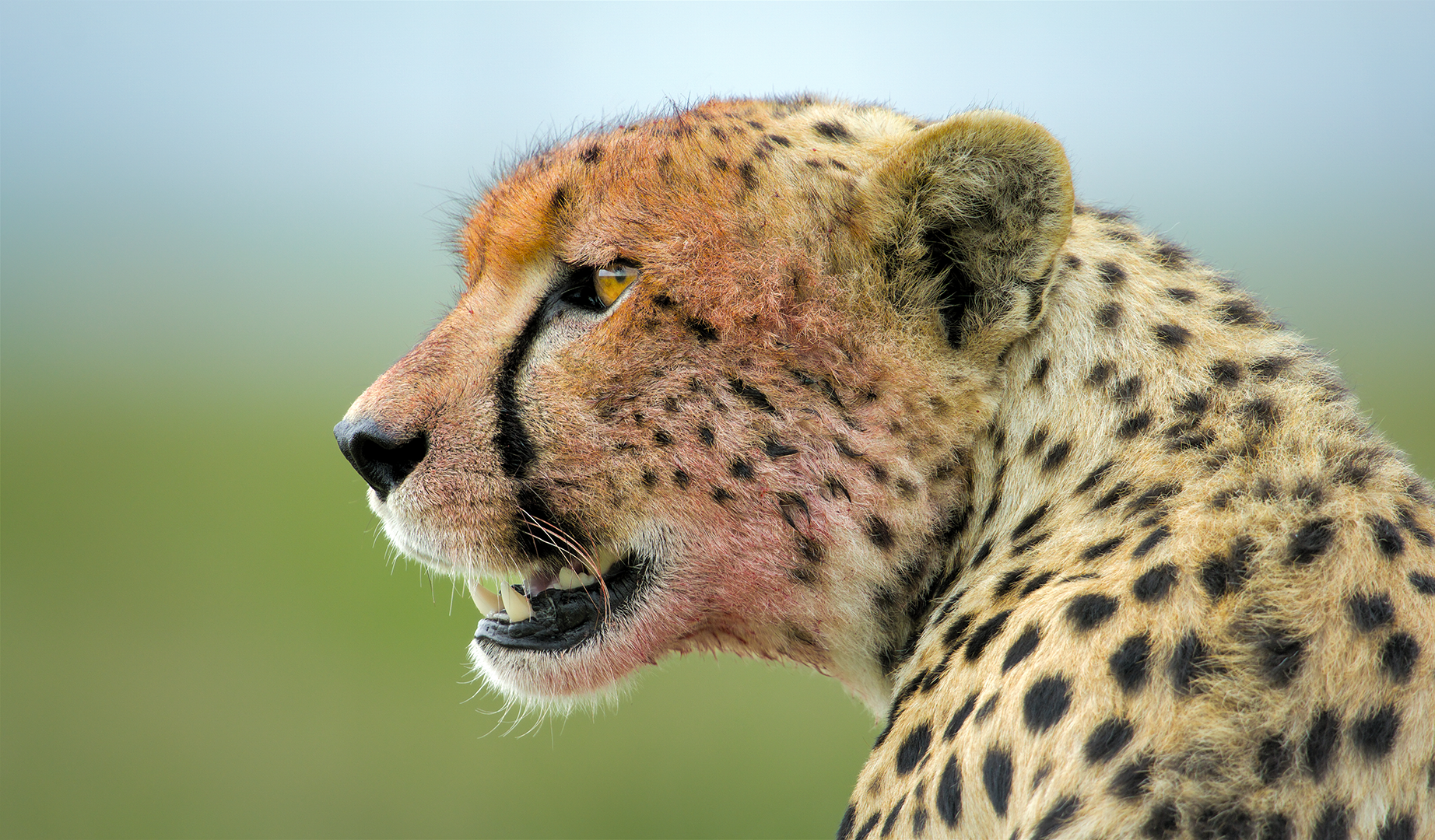
Filming was done with a combination of aerial drones and a truck-mounted GSS C512EX loaded with a RED V-RAPTOR S35 camera sporting a Canon 50-1000mm lens. This gave them overhead views to put the action into context, tracking moves that follow the chase, and the closeup shots that let viewers look into the eyes of both predator and prey.
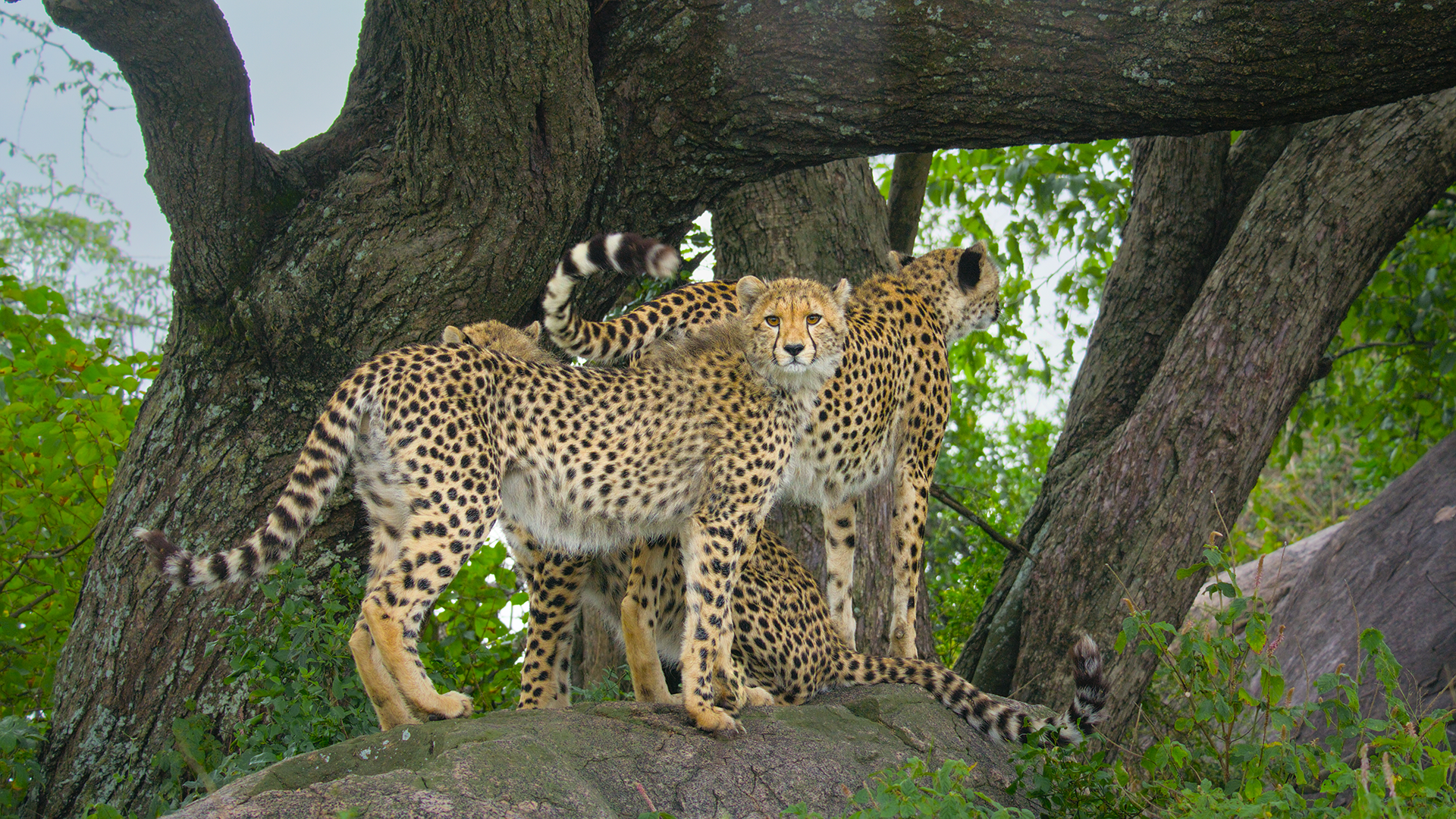
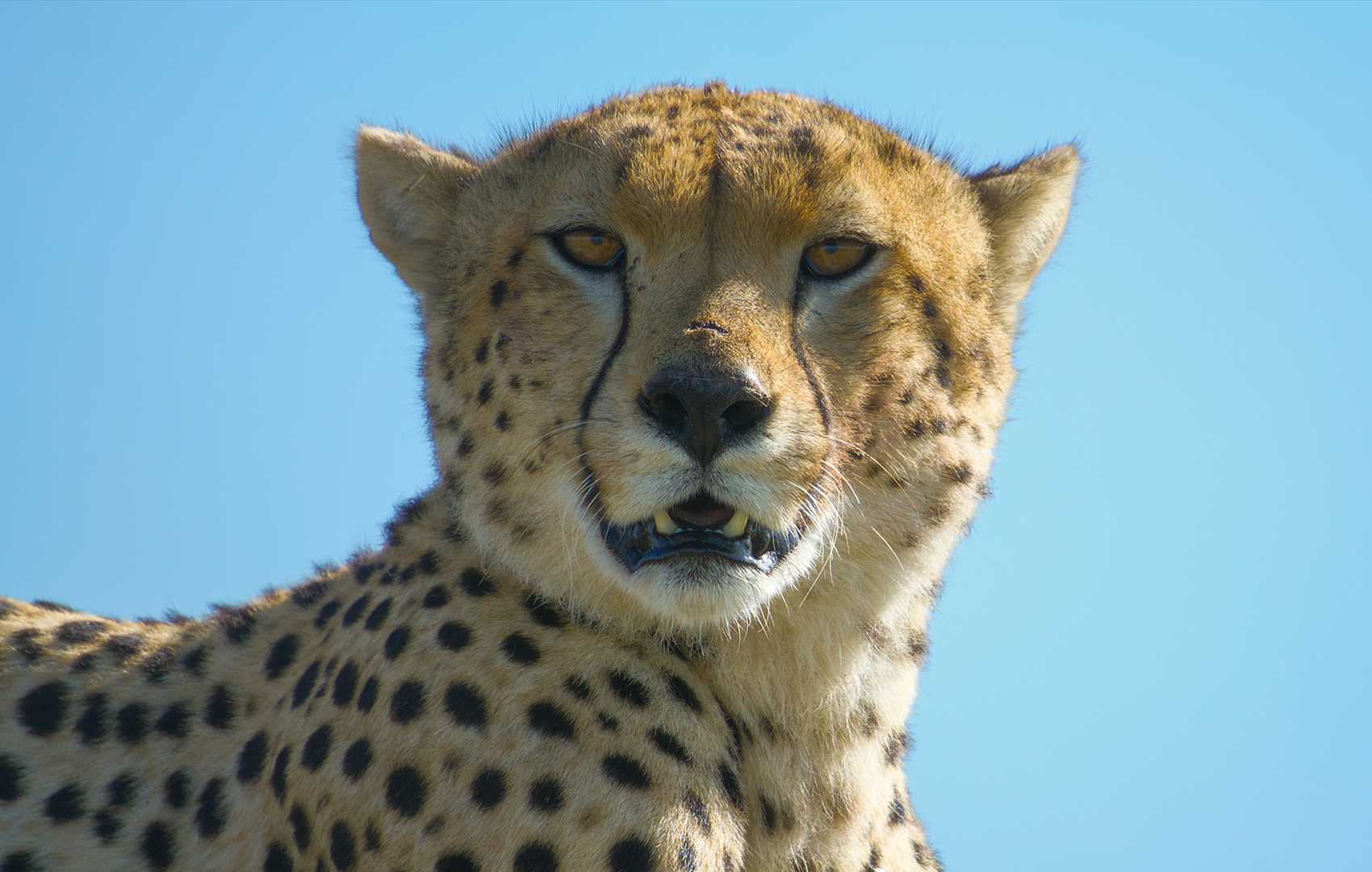
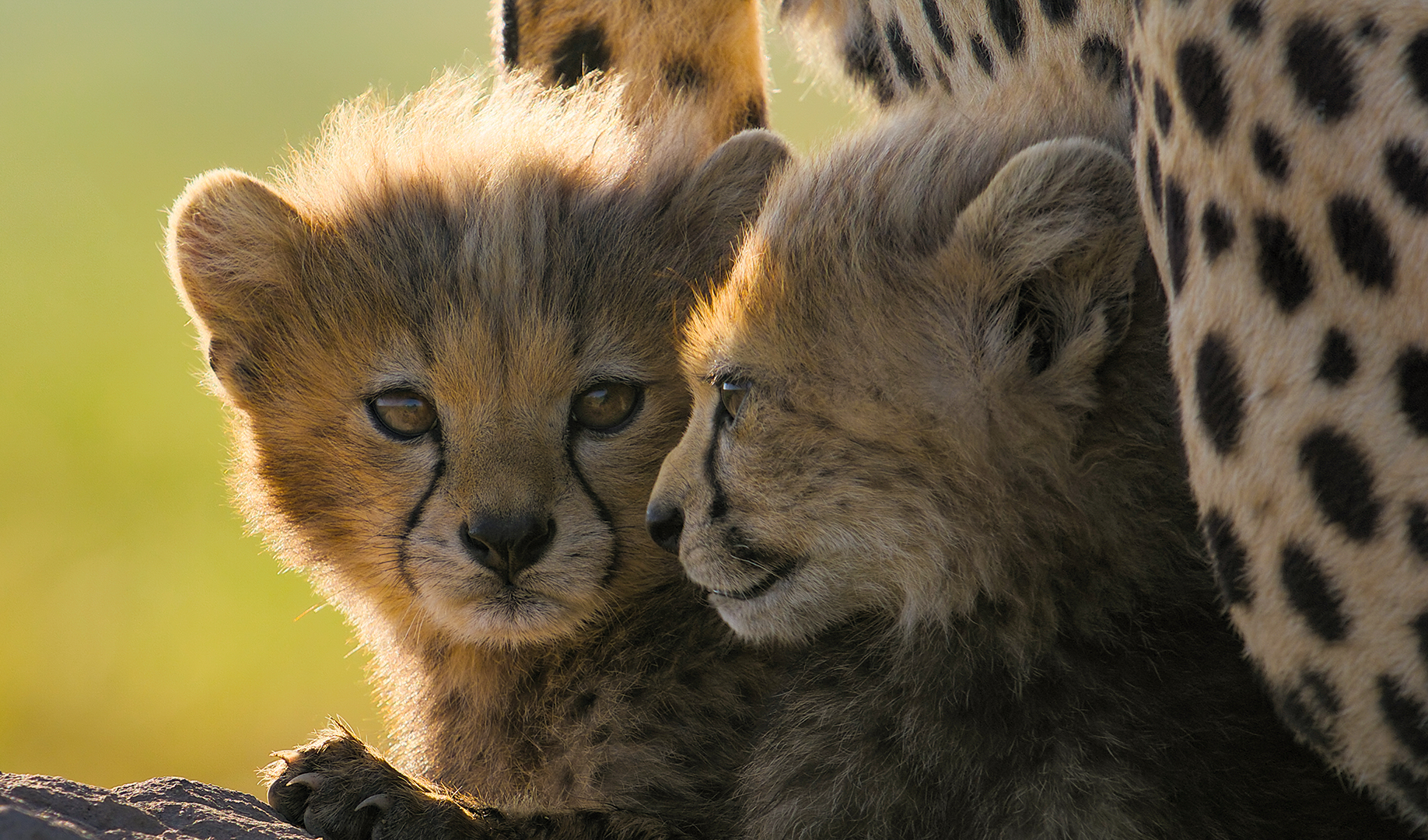
And while the finished show makes it look easy, Walker describes the ground they were working on as “aardvark holes, termite mounds, long grass, short grass, all sorts of varying terrain that you have to navigate”, as he praised the efforts of his driver and guide, Denis Mollel. “He brings so much to the table in terms of reading the animals, finding the animals, and then, obviously, driving. So, it’s very intuitive between the two of us. There’s not a lot of communication needed when it’s really go-time”.

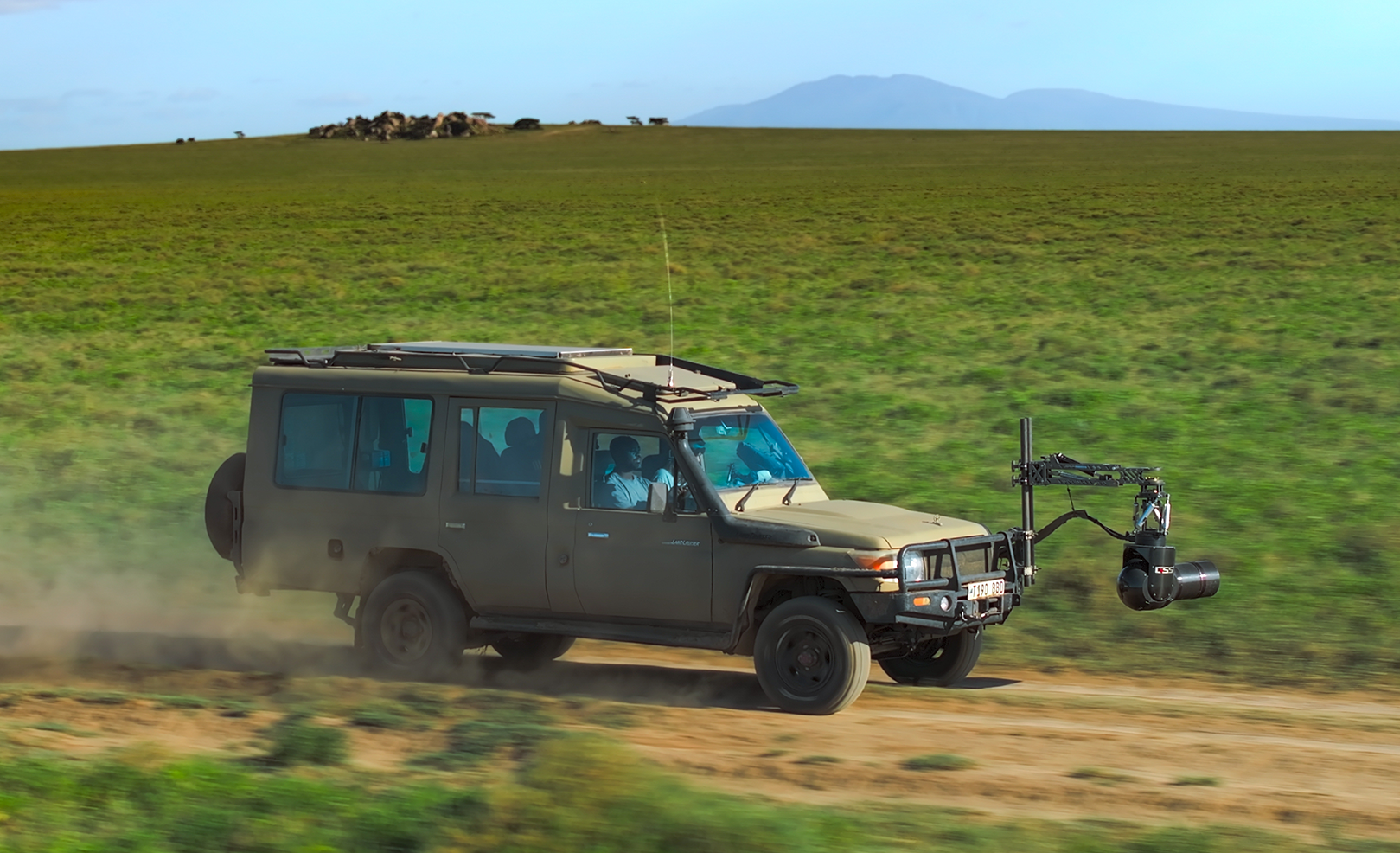
As one might expect, the choreography between driver and shooter is essential when shooting such a fast-moving subject. “When you’re tracking a subject, that acceleration has to be absolutely in time with the pan. When you’re working with an animal as fast as a cheetah, split-second reactions between the two of us have to all come together, so it’s a big challenge.”
A key part of meeting that challenge is the precise control and always-ready stabilization delivered by the GSS C512EX gimbal. “GSS is the primary tool I will always try to use for these kinds of subjects. As a tool for a start-to-finish sequence, it’s without a doubt a game-changer," says Walker. “Using the system as a tracking tool and as a stationary remote head allows you to accumulate a lot of angles quickly, it's just incomparable in that sense. It allows for stories to be shot in a more immersive way for the viewer"
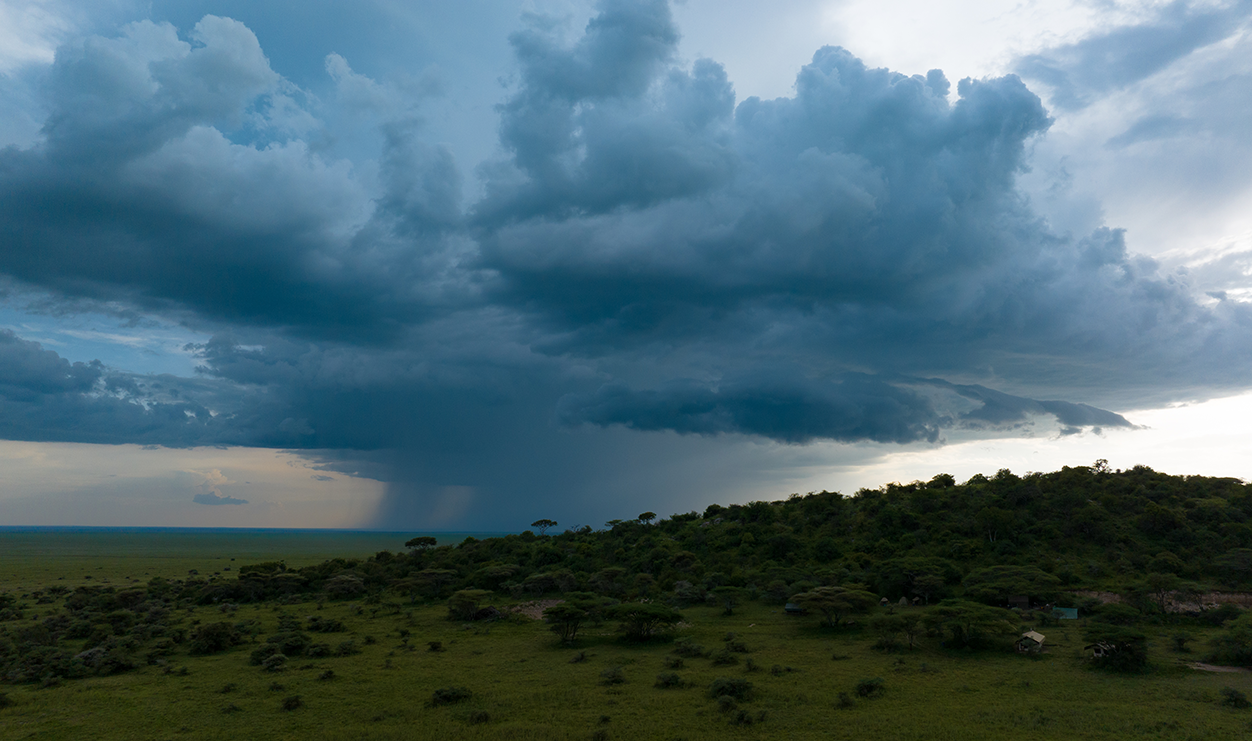
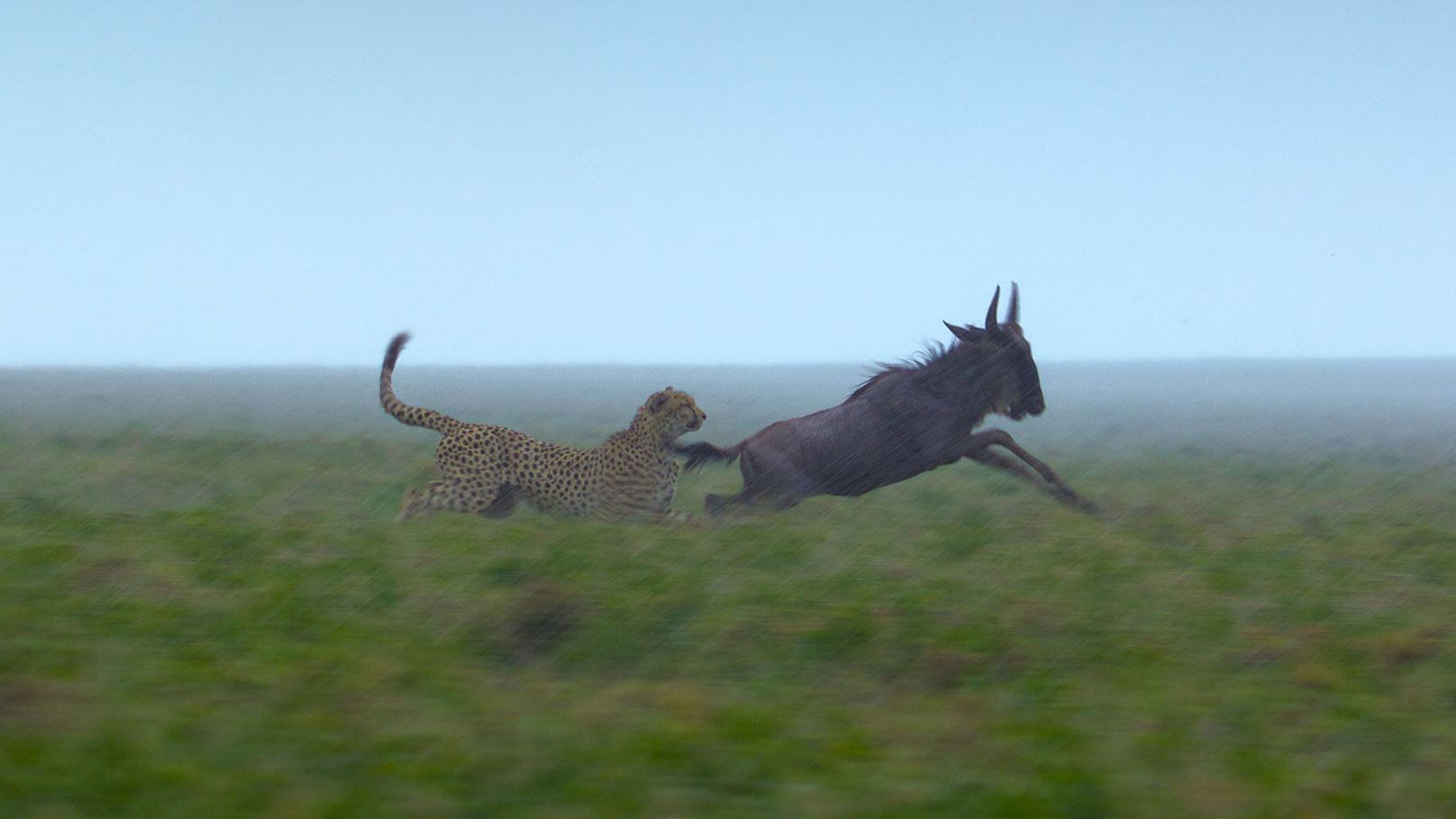
And Walker’s previous trips to the Serengeti had shown him another theme he was determined to pursue in this film: the drama intrinsic to the seasonal thunderstorms. “Cheetahs haven’t been filmed hunting properly in the rain with a GSS before, and I knew this could be a key part of the film. It’s all dark and moody, but normally you can’t film in it. You’ve got to cover all the systems up and wait for it to stop.”
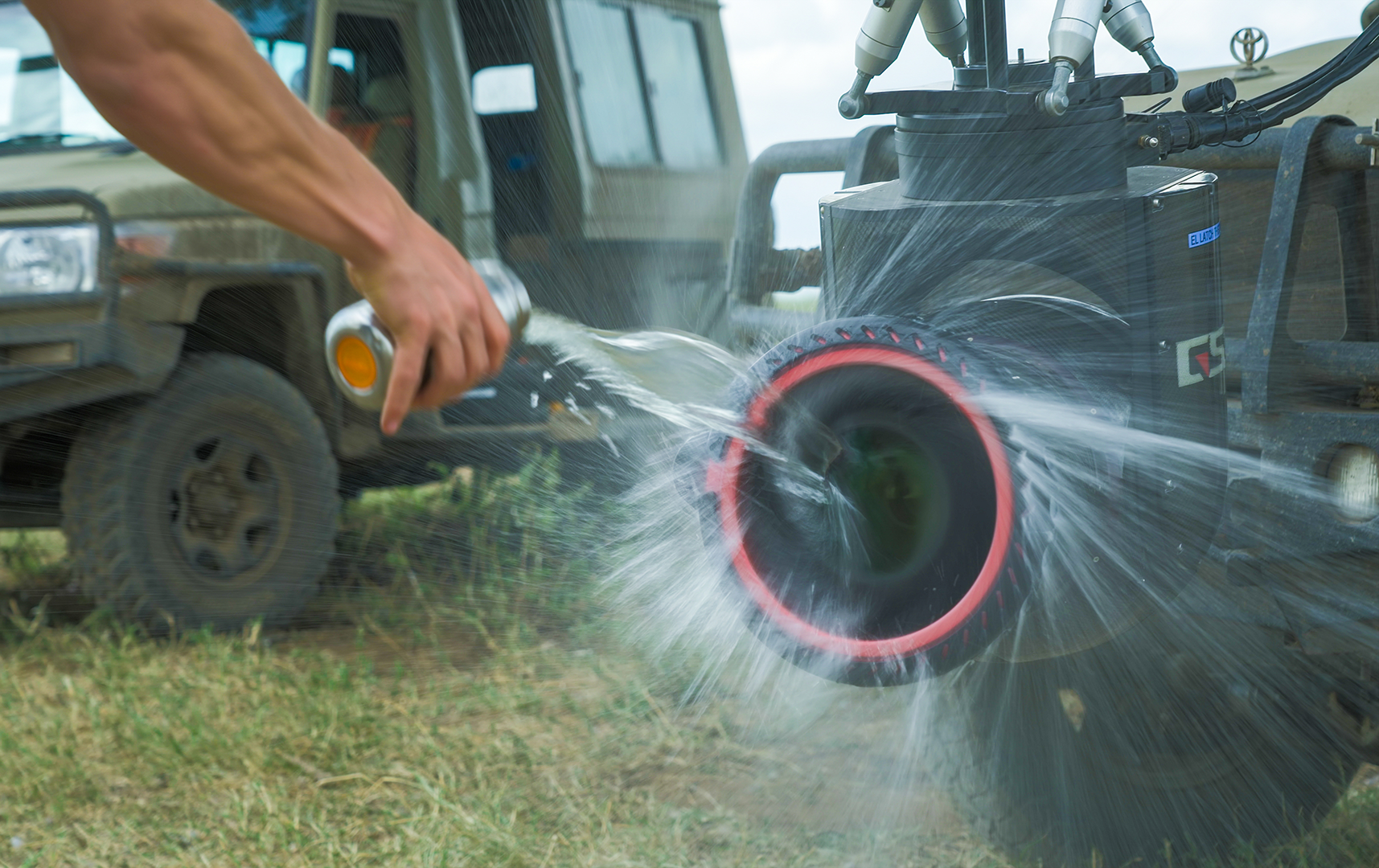
But for this shoot, they came prepared with the GSS Rain Deflector, to keep the lens clear and the camera rolling. “With rain, the cheetah’s hunting behavior changes a lot. Most of the herd will turn their backs to the rain because it’s more comfortable, so the cheetah will just approach from the blind side. It opens the door to new behaviors, and images that look tonally very different, with that dramatic sky and the dramatic impact of the rain.”
Ultimately, Wallker appreciated the opportunity to learn more about cheetahs and also to share a glimpse of his own life with audiences. “We explore the different cheetah’s approaches to life; the males, the females, the mums with cubs, the coalitions... they all have their own story to tell. And Nat Geo are great at putting this kind of series together because it allows people to get a much greater insight into a species, Also, what it's like for us to do the job. Because it’s got the whole behind-the-scenes element, it shows you what a team effort it is to go and capture something like this.”
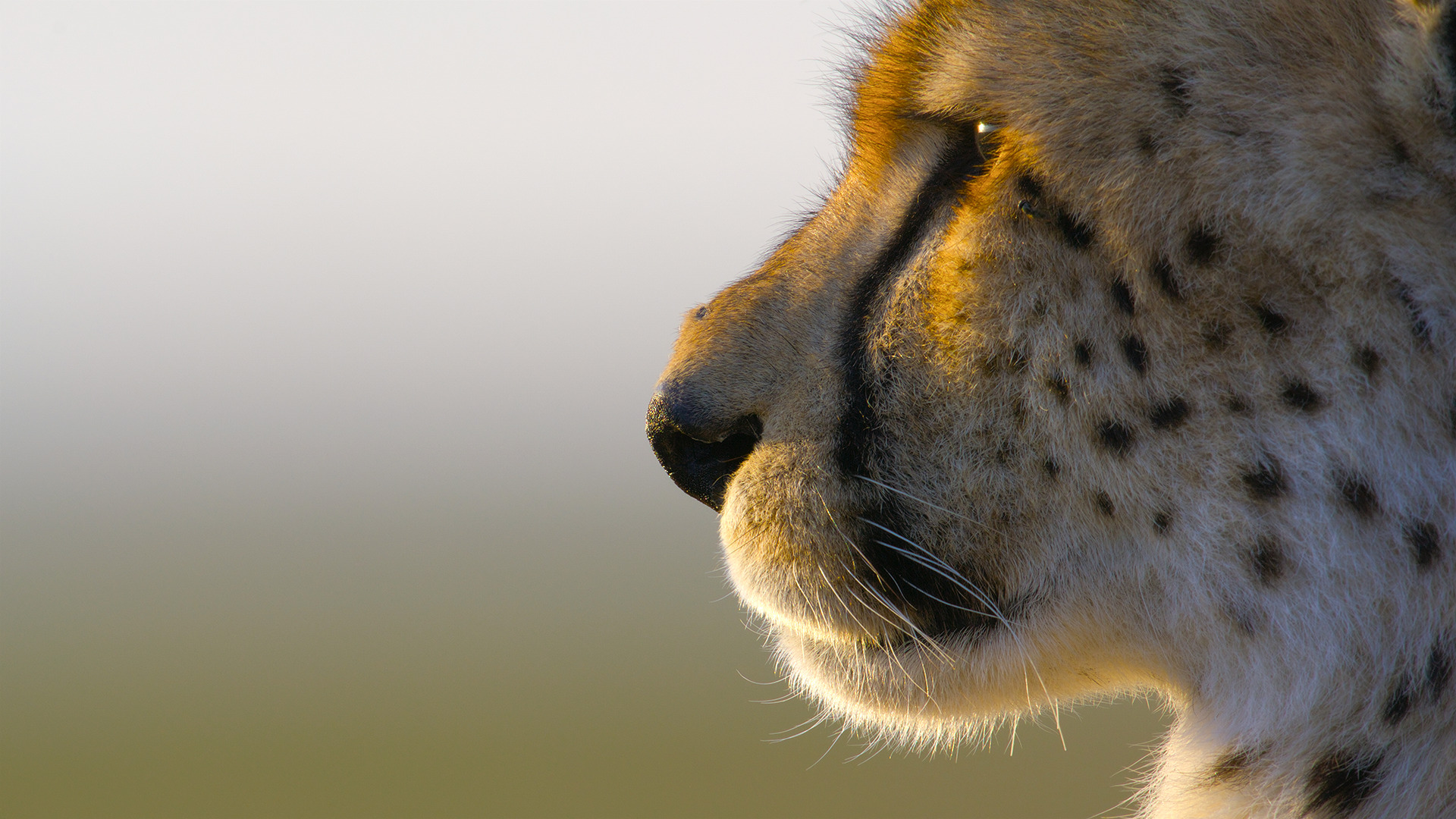
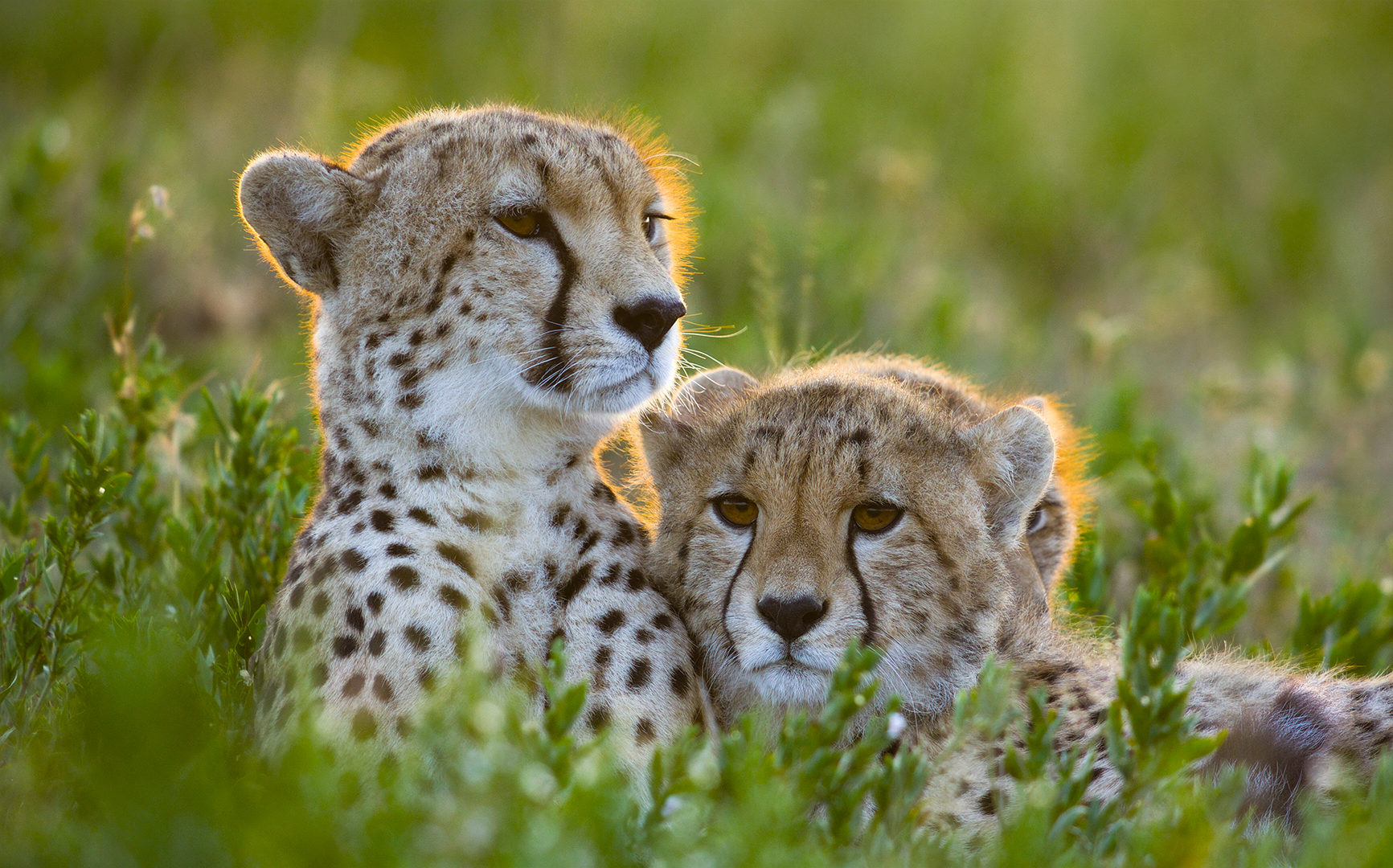
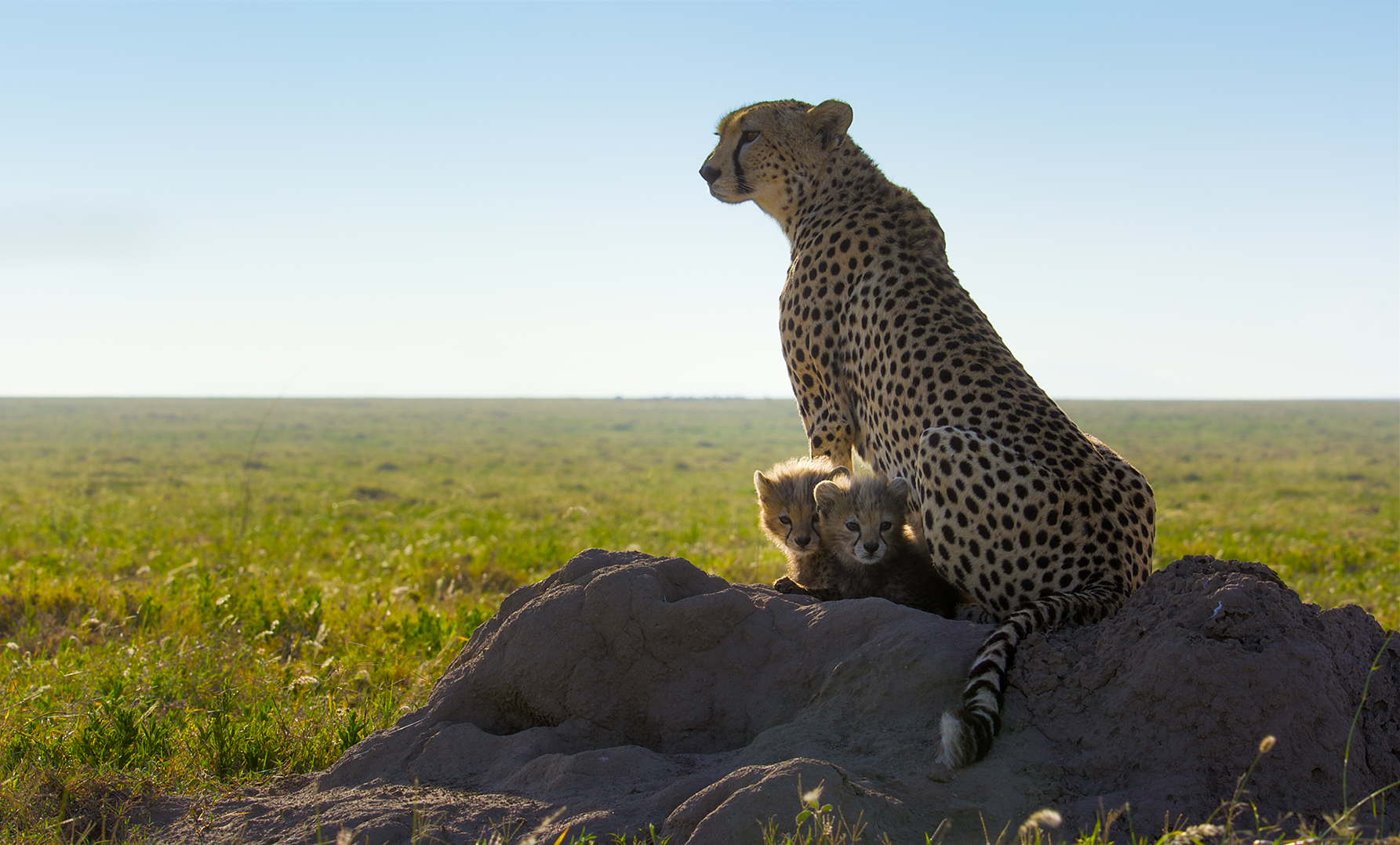
“Cheetahs - Up Close” premieres Jan. 1 on National Geographic and streams Jan. 2 on Disney+ and Hulu.
Tom Walker is a multi-Emmy, Bafta & RTS winning cinematographer from Somerset, UK, and predominantly works on wildlife series and feature films for the BBC Natural History Unit, BBC Studios, Disney, Netflix and National Geographic. Learn more at tomwalkerphotography.co.uk
Check out the interview with Tom Walker here: